On 2nd of June, Bulgaria marks the anniversary of the death of the distinguished Bulgarian poet, revolutionary and journalist, Hristo Botev, who gave his life for the independence of Bulgaria. Hristo Botev is among the most respected and loved Bulgarian national heroes.
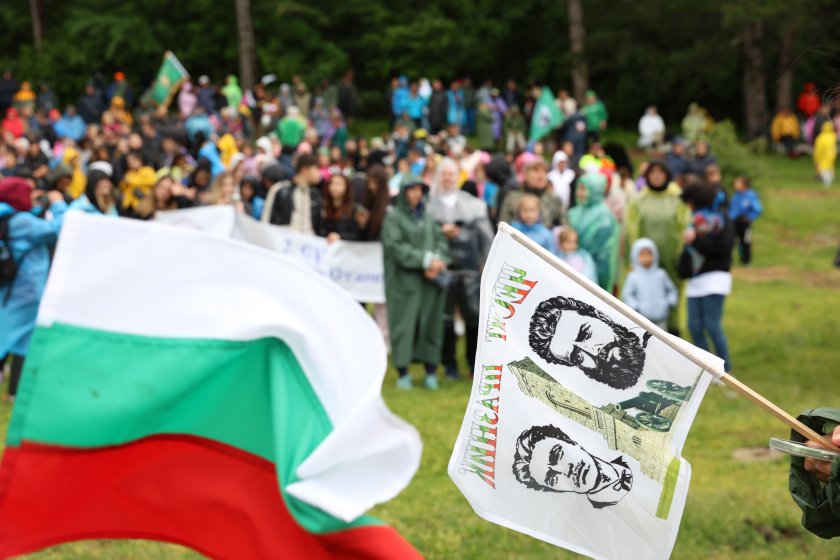
Bulgaria on June 2 honoured the memory of Hristo Botev and all those who gave their lives for the country's freedom. One hundred and fifty years ago, the self-sacrifice of the national hero and his revolutionary detachment became an enduring symbol of the struggle for liberation.
Actors from the Ivan Vazov National Theatre performed a 20-minute recital dedicated to the memory of Hristo Botev.
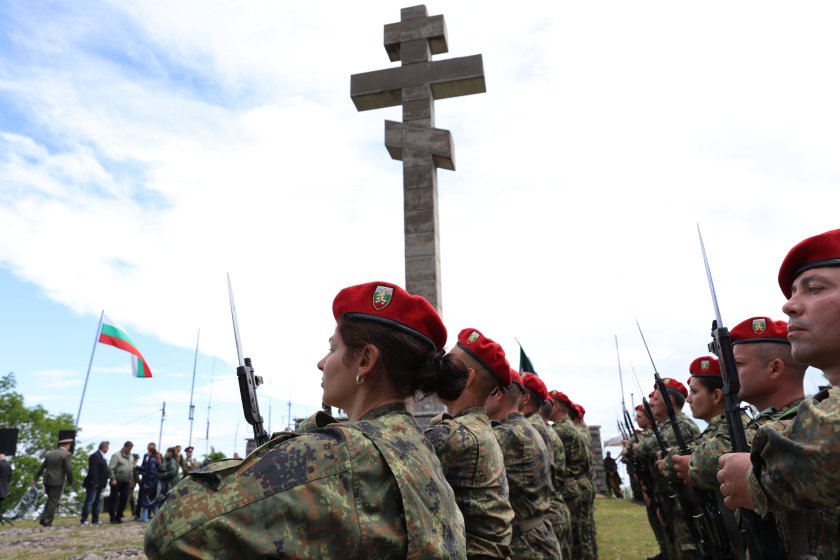
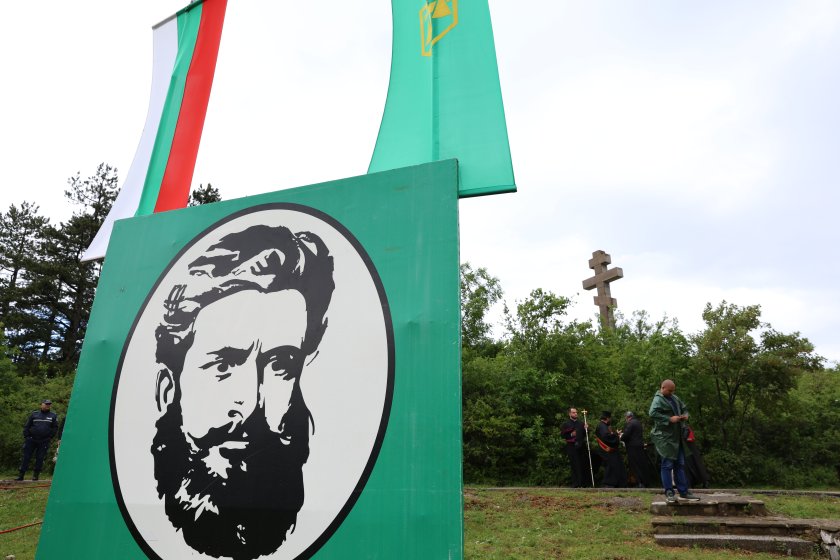
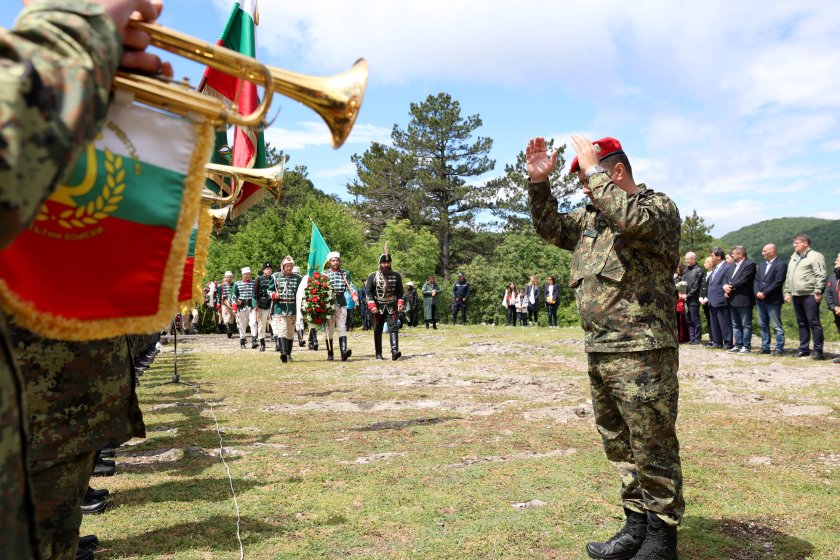
Hundreds of Bulgarians gathered at Okolchitsa Peak in the Vratsa Balkan to pay tribute to the immortal feat that remains deeply embedded in the nation's historical memory.
After spending several days following Botev’s route, seventh-grade pupil Nora continued to lead and inspire her classmates. Despite the heavy rain at Okolchitsa Peak, their enthusiasm to honour the legacy of Hristo Botev and those who fell for Bulgaria’s freedom remained undiminished.
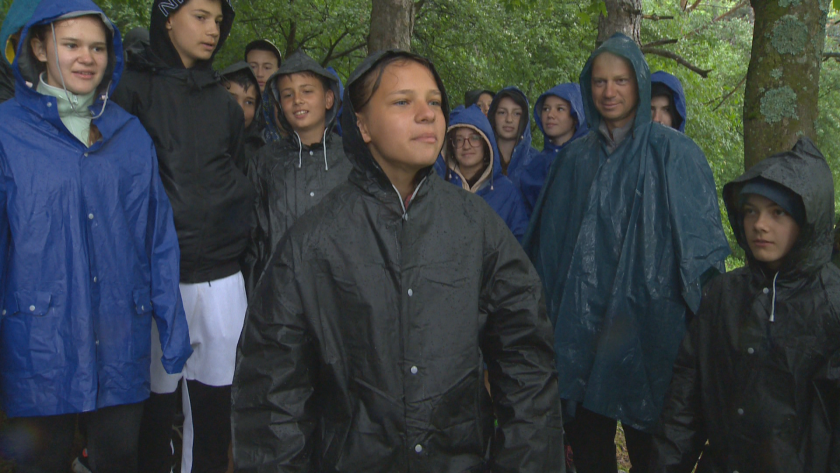
Nora Chilikova, 7th grade, 108th Secondary School “Nikola Belovezhdov”, Sofia:
“For me, it is a privilege, and taking part in hikes like this is something I truly value, because I believe it is a way of showing respect to those who gave their lives for the homeland.”
Liliya Todorova, Group Leader, 108th Secondary School “Nikola Belovezhdov”, Sofia:
“We want to show our children that, in today’s modern society, spending a short period without technology, convenience and comfort can be beneficial. It allows them to gain a deeper understanding of what Botev and the others fought for.”
Hundreds of people gathered at the historic peak on Botev Day to pay their respects and honour the memory of the national hero and all those who sacrificed their lives for Bulgaria’s freedom.
Madlen Kostova, Pupil from Vratsa:
“Botev is a great hero to us.”
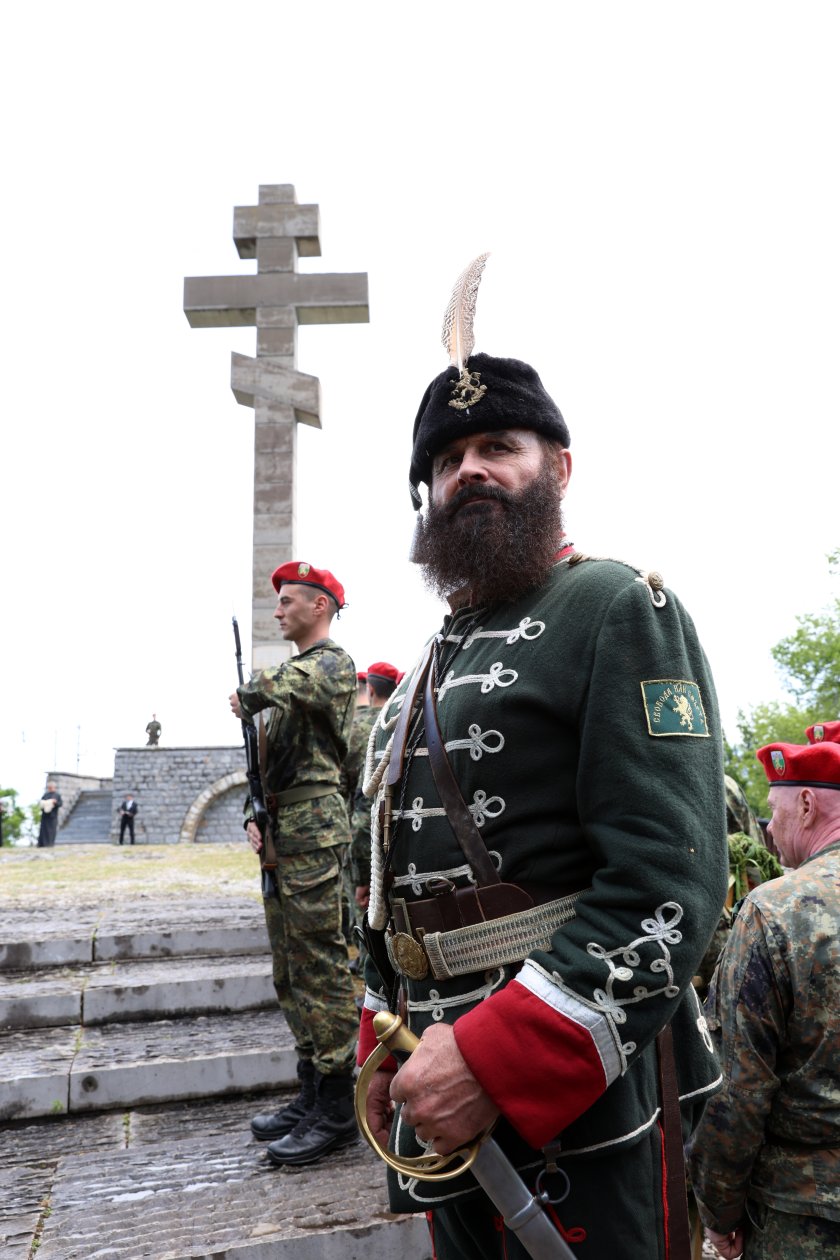
More than 70 participants took part in a historical re-enactment of the final battle of Botev’s detachment and the death of Hristo Botev. The event was staged by the Edinenie National Association.
Filip Filipov, portraying Hristo Botev:
“Dressed in our polished clothes and wrapped in carefully crafted phrases and speeches flowing from the bottom up and the top down, we have lost a part of ourselves as Bulgarians and as bearers of the spirit that lived in our fathers and forefathers — people who were ready to give their hearts and shed their blood for this land from which we came, until their very last breath.”
Photos by BTA
At exactly 12 noon, the sirens across the country were sounded to mark the beginning of two minutes silence to respect the memory of Botev and everyone who died for the liberty and independence of Bulgaria,
***
This year, Bulgaria marks 150 years since Botev’s death (in 1876) with official ceremonies across Bulgaria.
The culmination of the celebrations is traditionally at Okolchitsa peak in the Vratsa Balkan Mountain (near the city of Vratsa in Northwestern Bulgaria).
Hristo Botev is among the most respected and loved Bulgarian national heroes.
Hristo Botev was born in Kalofer in 1848. His father was a teacher and one of the most significant figures in the late period of the Bulgarian National Revival.
In 1863, after completing his elementary education in Kalofer, Botev was sent by his father to a high school in Odessa, where he studied for 2 years.
In 1867, he returned to Kalofer to teach in place of his ill father. In May, he made a public speech against the Ottoman authorities, which led to his exile and move to Romania seeking asylum.
From 1869 to 1871, Botev worked again as a teacher in Bessarabia, keeping close relations with the Bulgarian revolutionary movement and its leaders. In June 1871, he became editor of the revolutionary emigrant newspaper "Word of the Bulgarian Emigrants", where he published early poetic works.
In 1873, he worked on the satiric newspaper “Alarm Clock” and published political fiction aimed at wealthy Bulgarians. He continued to write poetry with themes such as revolutionary zeal and freedom, with two of his more famous poems being, “In the Tavern” and “My Prayer”.
After the outbreak of the 1876 April Uprising, which had the goal to liberate Bulgaria from the five-century Ottoman rule, Botev began organising a troupe to enter Bulgaria and help the rebels.
He crossed the Danube with two hundred men, on the Austro-Hungarian passenger ship Radetzky, with the mission to aid the uprising in the Vratsa region and to raise all of Northern Bulgaria to arms with him. The group disembarked near the town of Kozloduy and started moving in the direction of Stara Planina Mountains.
But Vratsa region wasn’t up in arms and Botev and the group received no reinforcement. The enemy was well prepared. Not only that, but since the April Uprising began prematurely, by the time of Botev’s landing, most rebels had been destroyed and the people had realised that the uprising was already quelled and there was no one to defend them if they rose.
On 30th of May, 1876, Botev and part of the troupe seized a ship and re-entered Bulgaria from Romania near Kozloduy.
On 2nd of June, 1876, at the foot of peak 'Vola' in Stara Planina Mountain, near the town of Vratsa. Botev's detachment of insurgents was engaged in its heaviest battle with the Ottoman army. His detachment fought to the last man. Botev was hit by a bullet, most probably fired by a concealed Ottoman shooter, and died almost immediately.
In commemoration of those heroic days and the deeds of those who gave their lives for Bulgaria's liberty, hundreds of people go to the mountains each year in the traditional annual event called “In the Footsteps of the Botev Group.” The people go along the 120 km trial of the group led by Hristo Botev from Kozloduy to Vratsa Balkan.
Since his death, many streets, cities and landmarks have been named after the revolutionary, including “Botev Point”, “Botev Peak”, and “Botevgrad”.
A football stadium in the South Bulgarian city of Plovdiv was named “Hristo Botev” in 1961 and is home to the professional football club “Botev Plovdiv”.


 Илияна Йотова: Илюзия е, че ако не се гласува, можем да извършим промяна в страната
 Историческа победа за студентите, Вучич призна загубата си на парламентарните избори в Сърбия









 Чуй новините
 Подкаст