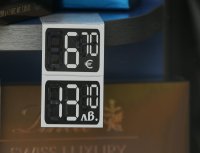
Prices for services in Bulgaria have not yet peaked and are expected to continue rising, economists predict. Authorities have already reported the most frequent breaches of the Law on the Euro since the beginning of the year, primarily in the form of unjustified price increases in the services sector. Analysts expect that this year, prices in Bulgaria will grow at a faster rate than in other eurozone countries, although inflation is not expected to reach double digits, instead likely mirroring last year’s maximum of 5%. Tomorrow, the National Statistical Institute (NSI) will release preliminary inflation data for January, just three days after the month’s end.
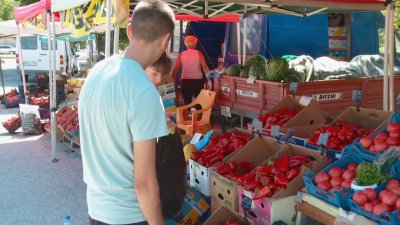
Wholesale prices have risen this week compared with the start of last week, according to data from the State Commission on Commodity Exchanges and Markets. Over the course of January, the consumer basket reached €56, up from €52 on 5 January. Vegetables recorded the sharpest increases, while fruit prices fell slightly.
The first official inflation figures for January, known as “flash inflation”, will be announced by NSI tomorrow.
Svilen Kolev, Deputy Chair of NSI: “It gives an early indication of price trends for the month in question.”
The NSI has trialled flash inflation over the past three months, which has not shown any serious discrepancy with the final inflation.
Svilen Kolev: “Assessments indicate that monthly changes are either negligible or very minor.”
The preliminary inflation data will be calculated using both the Bulgarian methodology and the harmonised EU methodology. The key difference is that the Bulgarian index reflects national consumption patterns – that is, what Bulgarians actually purchase differs from what the average European buys.
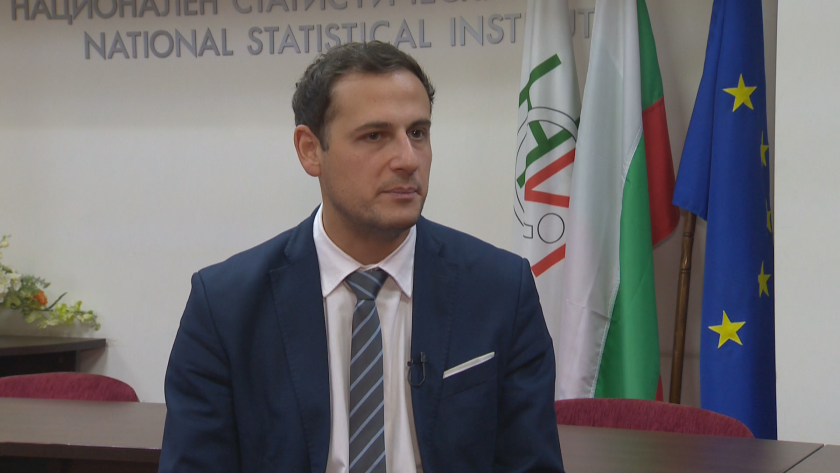
Svilen Kolev: “Foods and everyday goods – not only groceries but also non-alcoholic drinks – carry the greatest weight. Next are groups related to tobacco and alcoholic beverages.”
Economists expect price growth in Bulgaria to continue this year at a faster pace than in other eurozone countries. While inflation targets in the eurozone are set at 2%, with consumer expectations up to 2.8%, in Bulgaria forecasts suggest a rate roughly twice as high.
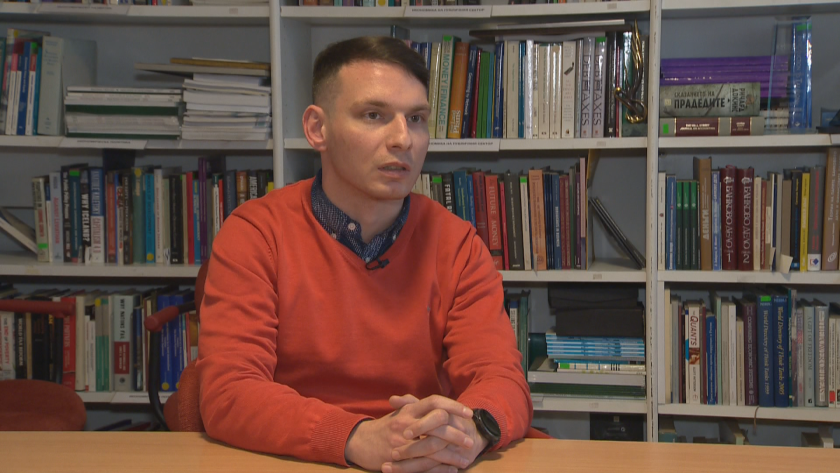
Andrian Nikolov, economist at IPI: “It’s important to note that perceptions of inflation often differ significantly from actual inflation – primarily because people notice prices in restaurants, hotels, and stores but tend to overlook others they pay automatically.”
Experts say that future budgetary policy and political decisions will play a major role in price developments.
Andrian Nikolov: “There is a strong appetite among MPs for economic populism. Promises of price caps and salary increases fuel inflation expectations, and may even trigger inflation once the next Parliament is formed.”
Service prices are expected to rise faster than food prices.
Andrian Nikolov: “There is considerably more dynamism in services. This is particularly evident in hotels and restaurants, where prices have been at the forefront of inflation over the past two years. As long as customer behaviour allows price increases, businesses have no reason to refrain from raising them.”
Data from the State Commission on Commodity Exchanges and Markets also show significant regional disparities in prices for the same products. For example, yellow cheese and minced meat are cheapest wholesale in Dobrich, while the highest prices are recorded in Silistra.






 Чуй новините
 Подкаст