
The latest escalation in tensions between the United States and Iran has once again unsettled global oil markets. For now, average fuel prices in Bulgaria remain stable, but traders expect the next deliveries to push up the price of petrol and diesel by between €0.02 and €0.04 per litre, adding to costs for motorists at the height of the summer holiday season.
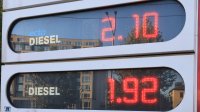
The price of Bulgaria's most widely used A95 petrol has fallen by €0.07 per litre since the beginning of June. Prices began to decline after Iran and the United States announced a ceasefire on 20 June.
A similar trend has been seen in diesel, which is generally more sensitive to price increases. Diesel has become €0.18 per litre cheaper over the past month and a half, although prices have risen by €0.01 per litre since the start of July.
Following each report of military strikes in Iran, Ruse residents Daniel and Velko say they rush to fill their cars with fuel.
Daniel Stoyanov: "Fuel prices will go up because the Strait of Hormuz is closed again."
Velko Nedelchev added: "There are constant conflicts. They stop, then new ones begin. Prices go up quickly and come down slowly, so I assume there is also some speculative behaviour on the market. But that's beyond our control."
Stoyanov added: "Expensive or not, we can't do without our cars."
At a filling station in Ruse, pump prices remained unchanged today because the latest fuel delivery had been purchased at lower prices.
The station's owner, Ventseslav Pengezov, said: "But tomorrow there will certainly be an impact on retail prices."
Asked what motorists could expect, he replied: "At least €0.02 to €0.03 more per litre."
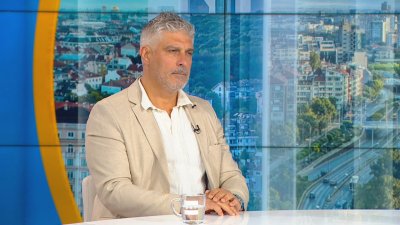
Speaking on the morning programme The Day Begins, the chairman of the Bulgarian Petroleum and Gas Association said prices were also being driven higher by a 40% increase in insurance costs for tankers passing through the Strait of Hormuz.
Svetoslav Benchev said: "Iran wants to require all tankers to pass through a designated corridor that it can control. That is clearly unacceptable to the United States and President Trump."
However, Pengezov believes the queues for fuel in Russia are an even greater concern.
"Russia will be the first to make up any supply shortfall from the same suppliers that also supply Bulgaria, which could eventually lead to shortages here," he said.
Industry representatives insist, however, that the effects of geopolitical crises are not reflected immediately at the pump, as fuel prices are influenced by a range of other factors.
Цените на горивата след новите удари в Близкия изток – търговци очакват отново увеличение
Правителството подкрепи новите санкции на ЕС, но отстоява възраженията си по три теми