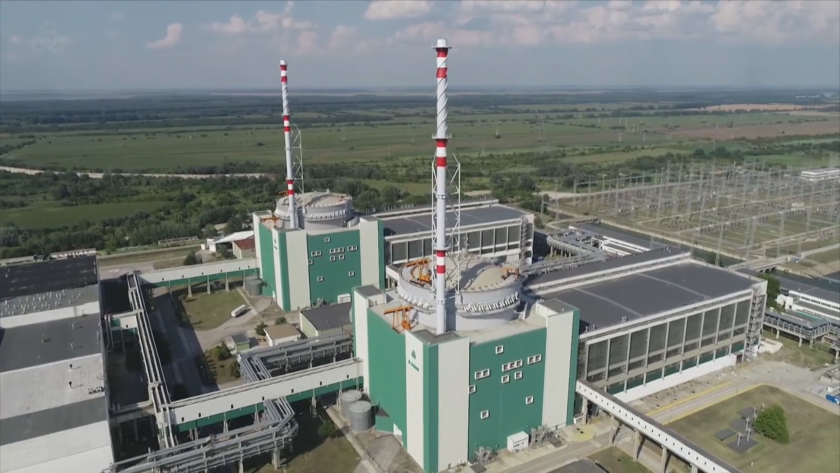
A fresh fault has been reported at Unit 6 of the Kozloduy Nuclear Power Plant. The plant will shut down one of its two operating reactors in order to replace defective equipment, the company said.
Speaking to BNT on February 17, officials explained that the repeated shutdowns are largely due to difficulties obtaining parts from Russia. This forced the plant to seek alternative components, which ultimately proved unsuitable.
Financial reports covering the first nine months of last year also indicate that the plant has experienced problems meeting some of its current payments. Although the company remains profitable, it has lacked sufficient money to fully finance its operations and has taken out two loans, including one from its subsidiary responsible for constructing new units at the site.
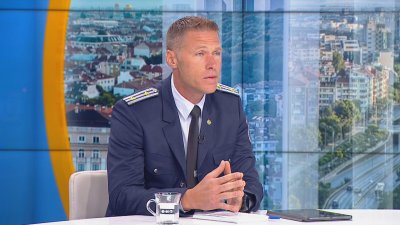
Energy expert Anton Ivanov said the reactor will be halted for the third time since its scheduled annual overhaul at the end of last year. He noted that a major membrane overhaul is carried out every four years, but supply disruptions from Russia forced the plant to use European substitutes. These, however, caused defects after installation, requiring the delivery of parts closer to the original specifications. Plant officials have not said when the issue will be permanently resolved.
Ivanov added that the plant had opted for cheaper alternative parts because of restricted imports from Russia, which has reduced the unit’s efficiency.
He said the reactor had not been operated at full capacity in order to limit risks while still providing much-needed electricity during peak winter demand. The plant now imports only a small number of components from Russia after reorienting its supply chains.
One of the country’s most profitable companies, the nuclear plant has nevertheless faced periodic payment difficulties, according to its financial statements. The management cites several reasons, including an increased dividend paid to the state-owned holding company, delayed payments owed by the national electricity company, and contractual payments for fresh nuclear fuel deliveries.
The plant has also had to reschedule payment of its dividend to the state until the end of February this year, after funds were requested to support the national budget.
Ivanov argued that state policy of extracting company profits limits its ability to purchase higher-quality components and forces it to seek the cheapest solutions, placing professional management under constraints, compared with best practices at other nuclear facilities.
Because of shortages of funds, early last year the plant borrowed 50 million leva from its subsidiary responsible for new capacity projects, at an interest rate above 3 per cent. On 16 July it also secured a further 50-million-leva overdraft from a private credit institution.
Unit 6 is currently still operating, but at reduced capacity. Even so, the plant provides close to 40 per cent of Bulgaria’s electricity supply.








 Чуй новините
 Подкаст