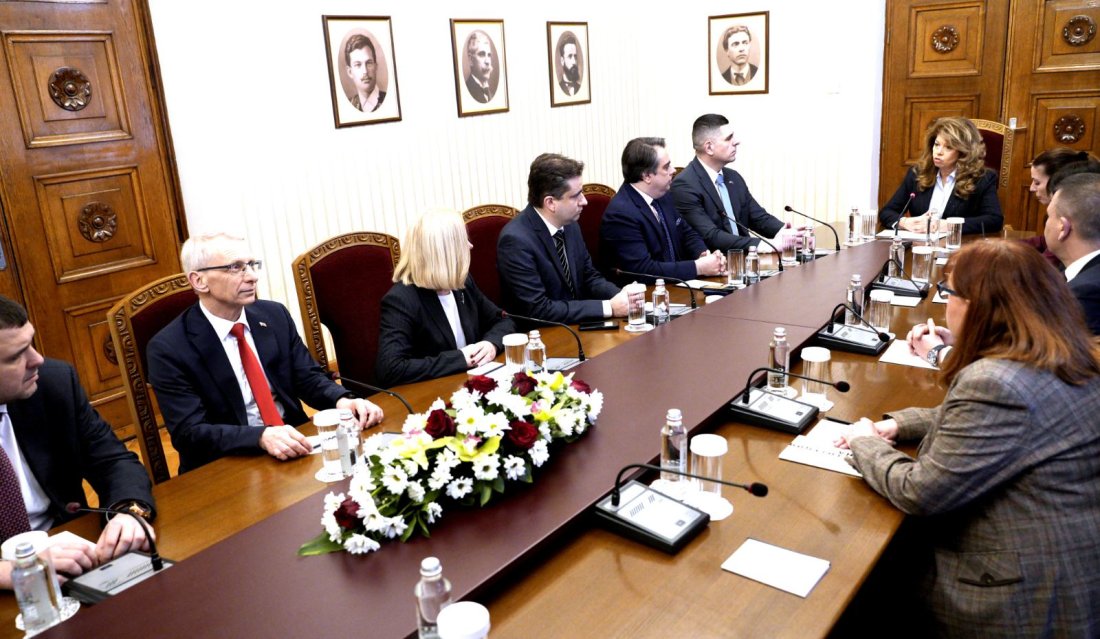
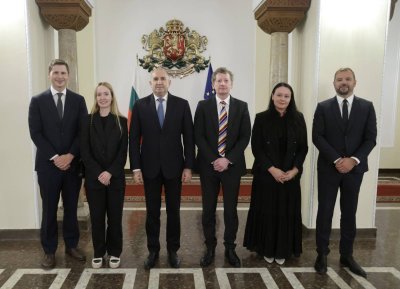
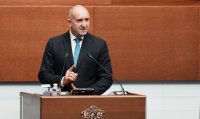
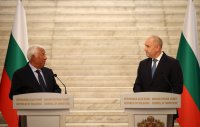
President Iliana Iotova met with representatives of the We Continue the Change – Democratic Bulgaria (WCC–DB) parliamentary group as part of consultations on appointing a caretaker prime minister.
WCC-DB representatives included Nikolay Denkov, Nadezhda Yordanova, Asen Vasilev, Ivaylo Mirchev, Bozhidar Bozhanov, and Atanas Atanasov.
At the start of the meeting, Yotova stressed the significance of the coming days and weeks for Bulgaria’s political stability and security. She emphasised the need to unite efforts to ensure safety and stability in every respect, saying:
"We must meet the expectations of Bulgarian citizens. They demanded honest, transparent elections and proper organisation to restore trust in Bulgarian institutions and the electoral process."
Regarding the recent sitting of the legal affairs committee, she noted that only minimal amendments to the Electoral Code are being considered. Iotova added that one of the key points for discussion with the party is determining the measures necessary to guarantee citizens’ expectations for fair and transparent elections.
Iotova also emphasised that, following recent constitutional amendments, the National Assembly will continue to function.
"In this way, political responsibility is not interrupted; it is shared even more strongly between the National Assembly and the Council of Ministers. Until then, however, we must recognise that there is a government in resignation, not in recess. Some urgent issues, with the support of parliament, can still be addressed. For me, it is very important that there is continuity between the outgoing government and the caretaker government," Iotova said.
President Iliana Iotova reiterated that, under the latest constitutional amendments, she can select a caretaker prime minister from a pool of ten candidates, a task she described as a tremendous responsibility. She noted that, as of today, five of the candidates have agreed to take on the role.
"I continue to believe that this position, beyond the professional portfolio of those on the list, is part of the legitimacy of Bulgarian institutions and the National Assembly. I will mandate one of them fully aware that, under the previous rules, my choice might have been different," Iotova said.
The head of state has begun consultations with parliamentary groups in the 51st National Assembly as part of the procedure for appointing a caretaker prime minister.
Ivaylo Mirchev, meanwhile, emphasised that there are numerous arguments for ensuring free and fair elections.
Ivaylo Mirchev criticised the previous caretaker cabinet, stating that free and fair elections were not conducted and alleging that the former caretaker prime minister had served the corrupt Borisov-Peevski model.
"This cannot be allowed to happen again. To ensure fair elections, first, there must be an interior minister who does everything possible to prevent vote-buying. Second, a justice minister who proposes a new acting prosecutor general. Third, measures must be taken so that funds allocated to municipalities are not used to buy votes. And one of the final—but not least important—tasks for the caretaker government is to stop the mismanagement of healthcare and finally launch the reforms demanded by young doctors," Mirchev said.
Asen Vasilev also emphasised that the caretaker cabinet’s primary task is to conduct free and fair elections. He added that a key follow-up responsibility is addressing the accumulated problems and potential risks facing the country, highlighting the remaining criteria for implementing the National Recovery and Resilience Plan.
Asen Vasilev stressed that another major task for the caretaker government is to restore the trust of Bulgaria’s European partners. “It is already being said, and not by random sources, that Bulgaria lacks an anti-corruption commission and has a prosecutor general who is not recognised by the courts,” he noted. Vasilev also highlighted that the derogation for Lukoil is expiring.
Bozhidar Bozhanov added: “The caretaker cabinet must turn off the tap of the model [of corruption] so that it cannot be recharged during the elections. Equally important is that Bulgaria remains a reliable partner in Europe from a foreign policy perspective.”
Nikolay Denkov recalled his experience when invited as caretaker minister in 2017. “During the first week, it became clear that the previous regular minister had seriously violated regulations concerning EU funds. He arranged matters so that when we entered the ministry, it appeared that funds from the Operational Programme Science and Education for Smart Growth were being halted simply because a new government had arrived,” Denkov said.
“In an ideal world, a caretaker government should focus solely on organising fair elections. In the real world, it must, of course, keep all processes vital to the state running,” said Academician Nikolay Denkov. “And in the real Bulgarian world, the very first thing every minister must do is identify the mines and bombs planted in their ministries, because almost every ministry has them.”
He advised ministers to expose such risks as quickly as possible, stressing that “this is the only way to defuse them in time”. Otherwise, he warned, there is a danger that the entire period could be consumed by orchestrated actions and strikes, diverting attention away from the organisation of fair elections.
Earlier, President Iliyana Iotova held consultations with representatives of the GERB–UDF parliamentary group.
Iotova stressed the importance of the coming weeks for Bulgaria’s stability and security, emphasizing the need to meet citizens’ expectations for honest, transparent elections and proper organization to restore trust in institutions and the electoral process. She noted that only minimal amendments to the Electoral Code are currently being discussed and underlined the importance of continuity between the outgoing government and the caretaker cabinet.
According to the latest constitutional changes, the president may choose a caretaker prime minister from a list of 10 candidates, five of whom have already agreed to take on the role. Yotova said she would assign the mandate with full awareness that her choice might have been different under the previous rules.
"I am convinced that you, as well as I, are aware of the importance of these days and weeks for the situation in which Bulgaria is, so we should unite our efforts for security and stability in every respect. We must meet the expectations of the Bulgarian citizens. They demanded fair, transparent elections, they demanded good organisation of the elections so that we can restore trust in Bulgarian institutions and the electoral process," Iliana Iotova said at the beginning of the conversation.
Referring to today's meeting of the legal committee, she said that minimal amendments to the Electoral Code were being made. Yotova said that one of the things she will discuss with the party is what should be done to ensure the expectations of Bulgarian citizens for fair and transparent elections.
She noted that with the recent changes in the Constitution, the National Assembly will continue to work.
"In this way, political responsibility is not broken, it is shared even more between the National Assembly and the Council of Ministers. But until then, let us be clear that there is a government that is resigned and not on leave. Some of the pressing problems, with the help of parliament, could be solved. For me it is very important to have continuity between the outgoing and the caretaker government," Yotova added.
She reiterated that according to the latest changes, the president can choose a caretaker prime minister among 10 people for whom this is a huge responsibility. She also noted that to date five have agreed to take the post.
"I continue to believe that the function apart from the purely professional portfolio of the people who are on this list is part of the legitimacy of the Bulgarian institutions and the Bulgarian Parliament. I will give a mandate to one of them with the clear understanding that under the old texts my choice might have been different."
The head of state has started consultations with representatives of the parliamentary groups in the 51st National Assembly in the framework of the procedure for appointing a caretaker prime minister.
Ivaylo Mirchev, for his part, explained that they have many arguments on how to hold fair elections.
"Under the last caretaker cabinet, fair elections were not held. We saw how the last caretaker prime minister served the Borisov-Peevski corruption model. We believe that this should not be allowed. For fair elections to be held, first and foremost, there must be an interior minister who will do everything possible to counter vote-buying. Secondly, a justice minister who will propose a new acting attorney-general. Thirdly, it must be done so that the money that is allocated to municipalities is not used to buy votes. And one of the last, but not the most important things, the caretaker cabinet must do something extremely important - stop the draining of health care and finally give a start to the reforms that young doctors wanted," said Ivaylo Mirchev.
Asen Vassilev also noted that the main task of the caretaker cabinet is to hold fair elections. As the next task he highlighted all these accumulated problems and potential risks for the country. He noted the remaining criteria for the implementation of the PSC.
"The other hard task is to restore the confidence of our European partners. Already there are words, and not by chance, that Bulgaria does not have an anti-corruption commission and there is a prosecutor general who is not recognised by the court," Vassilev said, also pointing out that the derogation for Lukoil is expiring.
"We need the caretaker cabinet to turn off the tap of the model so that it does not get recharged during the elections, but it is also very important in foreign policy that Bulgaria remains a loyal partner in Europe," Bozhidar Bojanov noted.
Nikolay Denkov recalled that he was invited to be a caretaker minister in 2017. In the first week it turned out that the previous regular minister had violated quite severely the regulations related to EU funds, but he had made things happen so that the first week we entered the ministry, it was presented that the funds under the Operational Programme Science and Education for Smart Growth were being stopped because a new government had come in.
"In an ideal world the caretaker government should only be concerned with conducting fair elections, in a real world it should, of course, drive all processes important to the country. In a real Bulgarian world, the first thing any minister should do is to look at what mines and what bombs are planted in the ministries, because in almost every ministry, there will be some. My advice to ministers is to bring them to light as quickly as possible, because that is the only way to defuse them in time. Otherwise, there is a danger that the whole period will pass into the organization of active campaigns, and instead of dealing with the organization of fair elections, we will deal with strikes that are organized in advance." said Academician Nikolai Denkov.
Iliana Iotova has already spoken with representatives of the GERB-SDU group.







 Чуй новините
 Подкаст