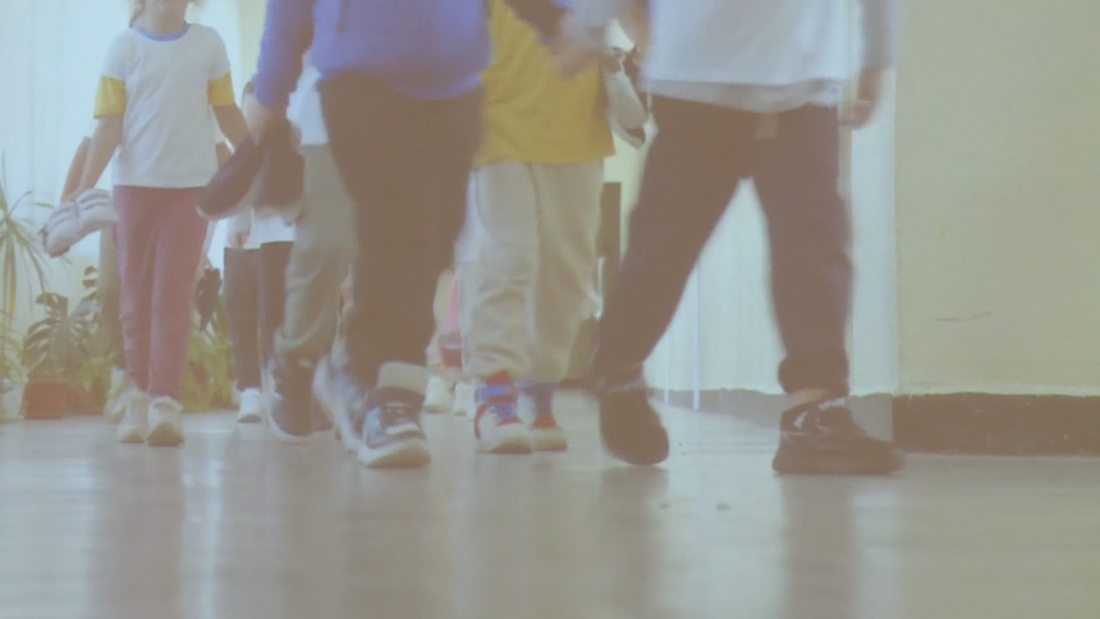


School psychologists in the city of Ruse (Northern Bulgaria) are calling for the introduction of compulsory lessons in empathy, which they believe could help address growing levels of aggression among children. Over the past year, experts have worked with more than 200 pupils to understand the problem from the children’s own perspective.
Sixteen-year-old Radoslav recently witnessed a brutal fight between students over a girl.
Radoslav:
“It got really bad. One of the boys was taken to hospital with serious injuries, which I think is terrible. As just one person, I can’t do much. I have to tell an adult, a teacher, so something can be done.”
For 18-year-olds Simona and Aleksandra, verbal abuse is a daily reality.
Simona said:
“Mockery is everywhere, in every class.”Aleksandra added:
“They insult people because of their appearance, those who look different or don’t dress according to current trends.”When asked how children who are humiliated usually react, they replied:
“They mostly stay silent.”
This hidden form of bullying has prompted specialists in Ruse to train 200 teachers and 200 pupils from Year 5 to Year 7 on how to deal with violence among children. The programme uses practices developed by experts in Germany. Active pupils also act as mediators, helping their peers to manage outbursts of aggression.
Elena Minkova, a school psychologist:
“They do not know how to communicate with each other and transfer their aggression to social media and class group chats. This often happens through the manipulation of photos that can humiliate someone. This is cyberbullying, and they do not always realise it. They lack emotional intelligence, they are searching for their place among peers and for role models. That is why it is crucial for us, as adults, to show them the right example: how we resolve conflicts, how we take part in them, and how we reduce emotion in favour of constructive solutions. These models were presented to them in an accessible way through stories, games and role play.”
Specialists say the most difficult part of the work is engaging parents, especially in smaller settlements.
Daniela Yaneva, Chair of the Board of the Open Society Association in Ruse:
“In small towns and villages, children live in a parallel world, isolated from real social life, using TikTok as their main source of information. When there is violence in the family, children copy it and bring it into their own environment. That is why we believe work with parents is essential, but parents often do not respond.”
For this reason, experts argue that empathy lessons should become part of the school curriculum, as they are in Denmark.
Daniela Yaneva:
“Denmark is considered the happiest nation in the world, and experts believe this is because empathy classes have been part of education there since 1995. In this way, happy children grow into happy parents, who then raise happy children again. That is how the cycle continues. We need to take these steps in our own education system.”
Until then, worrying statistics remain a reminder of the scale of the problem: 34% of children in Bulgaria say they feel unsafe either at home or at school.
Former President Rosen Plevneliev to BNT: Rumen Radev Abdicates Presidency to Pursue Power and Become Prime Minister
President Iotova Continues Meetings as Part of Procedure for Appointment of Caretaker Prime Minister
Second Day of Hauliers’ Protests, Borders with Serbia and North Macedonia Remain Blocked
"Референдум": Всеки втори българин очаква да види нови лица в проекта на Румен Радев
Седмица на консултации за служебен премиер: Рая Назарян първа се срещна с президента Илияна Йотова