Processors and state seek solutions to rebuild livestock industry and curb imports
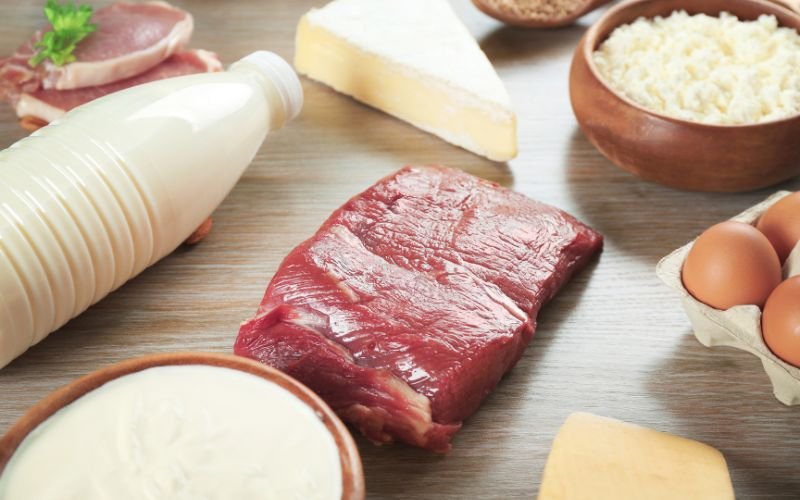
Ensuring sufficient supplies of Bulgarian milk and meat for the production of high-quality dairy and meat products will be among the main challenges facing the agricultural sector next year. This emerged during a discussion titled “Yes to Bulgarian Food” on December 16.
According to the outgoing Agriculture Minister, Georgi Tahov, tackling climate change will also be a major challenge for the sector in the year ahead. He said investment funds have already been earmarked for irrigation.
At present, the most acute shortage is of Bulgarian beef. Only 20 per cent of the beef used in locally produced products is of domestic origin, with the remainder imported, mainly from Europe. In the case of poultry, around 50 per cent of the quantities required are produced in Bulgaria, with the rest imported.
Dr Dilyana Popova, Executive Director of the Association of Meat Processors, said the industry was keen to work with Bulgarian pork and beef and to produce sausages using domestic raw materials.
“As meat processors, we want to use Bulgarian pork and beef so that our products are made with Bulgarian raw materials. The state should take care to restore livestock farming in Bulgaria, so that we have sufficient raw material for processing and can ensure the country’s food security,” she said.
Dairy processors are also reporting a lack of sufficient Bulgarian raw materials. Over the past five years, milk production in Bulgaria has fallen by 25 per cent, while imports of dairy products have increased by 43 per cent.
Other European countries face similar challenges and are also importing milk, though not on such a scale.
Dimitar Zorov of the Association of Dairy Processors said:
“If we want to have high-quality dairy products and for consumers to buy what is written on the label, we need sufficient Bulgarian raw milk, which we currently do not have. This is something that should be addressed now. EU policy does not appear to be focused on food security and self-sufficiency, but rather on external dependence.”
Minister Tahov added that another key challenge for the sector next year would be containing outbreaks of diseases affecting small ruminants.
Georgi Tahov, outgoing Minister of Agriculture and Food: "This year we have had a rather tense epizootic situation. The good thing is that for the first time we are going to introduce the mechanism of the mutual aid fund, which has only been talked about in recent years."
He added that within the next two days the fund would receive financing from the state budget and the State Agriculture Fund, to be used to combat animal diseases and mitigate the effects of adverse climate conditions.


 'Bulgargaz' Requested Urgent Meeting with Mayor Terziev Regarding Sofia District Heating Company's Debts
 PM Rumen Radev: German Investments Are a Driving Force Behind Bulgaria's Industrial Development and Bring Successful Business Models into the Economy
 Eurostat: Bulgaria Records EU’s Fastest Rise in Fuel Prices for Second Consecutive Month
 "Това е победа на смелостта над страха": Студентите в Сърбия ликуват след триумфа на изборите










 Чуй новините
 Подкаст