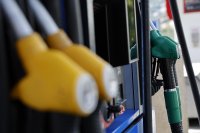
The increase in fuel prices is pushing up inflation in Bulgaria, which has risen by nearly one percentage point over the past month, according to assessments by the caretaker government and trade unions.
Caretaker Minister of Energy Traicho Traikov said measures to compensate for high fuel prices are working effectively, with payments of €20 already being made to around 183,000 people.
According to the Confederation of Independent Trade Unions in Bulgaria (CITUB), the so-called “small consumer basket” has increased by 2% in a single month, reaching €61 for the period 2–6 April, compared with nearly €60 in March, with vegetables again showing record increases.
Fuel prices over the past month have pushed inflation in March to above 4%, but Energy Minister Traicho Traikov said that attempts to contain prices through the release of reserves should not be made. Traikov explained that these quantities should be kept as a buffer in the event of physical shortages.
Traicho Traikov, caretaker Minister of Energy: “The measures, as the Bulgarian caretaker government has taken them, are the most effective. They remain in force. These are targeted, temporary measures.”
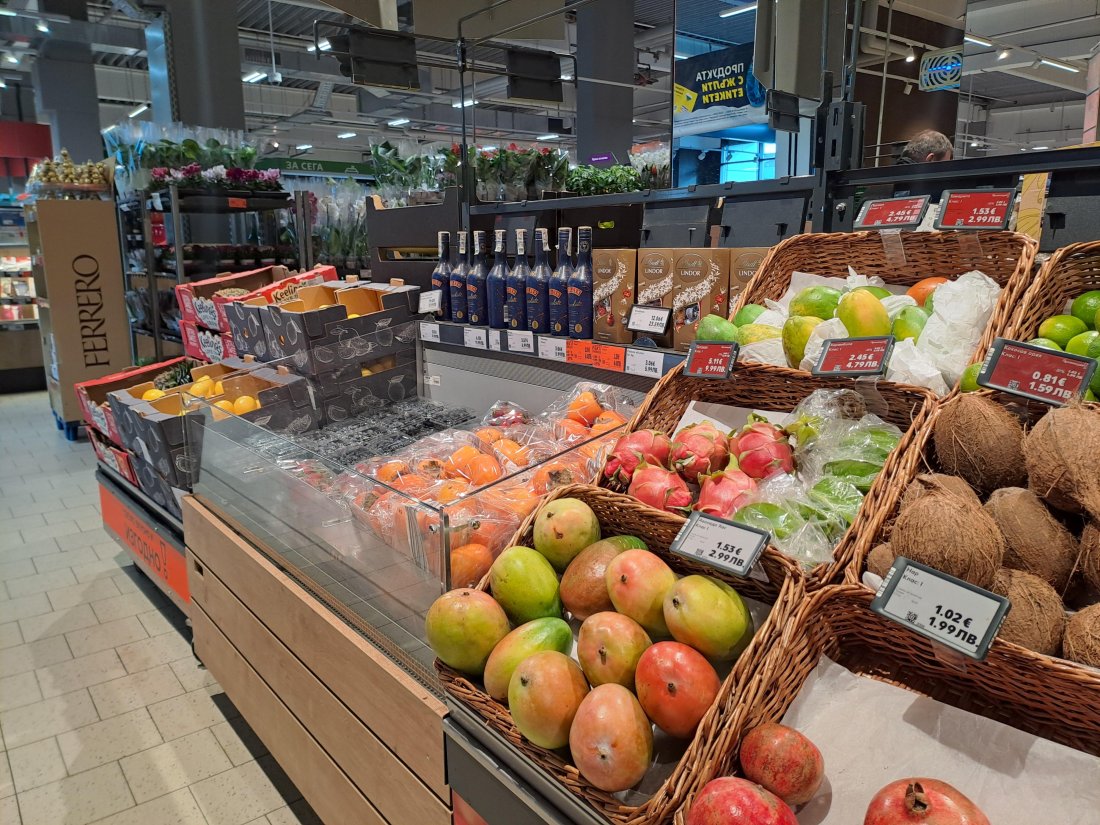
Price increases are most pronounced in vegetables. The reason is that they are mainly imported from abroad. Tomatoes recorded the sharpest rise, up by 29%. Increases were also seen in the prices of potatoes, lemons and mineral water.
Violeta Ivanova from the Confederation of Independent Trade Unions in Bulgaria said: “Within 10 months, the cost of the small consumer basket has increased by €4.30, and compared with December it has risen by €3. The last four months have seen the strongest increase.”
Rising prices are forcing customers such as Margarita to shop mainly for discounted goods.
Margarita: “Even if I don’t need it, especially with a 50% discount, I buy it so I have it when I need it. I’ve just bought lettuce because it’s 50% off.”
Kostadin: “All shops have become much more expensive, not just the large chains. It should have been 1:2, but it became 1:1.”
The Confederation of Independent Trade Unions in Bulgaria (CITUB) highlighted problems in fresh milk production in the country and its high retail price.
Lyuboslav Kostov from CITUB said: “The price of fresh milk per litre is €1.88. The production cost for a Bulgarian producer per litre of milk is €0.40. The difference from the local producer to the shelf is 4.5 times.”
A cup of espresso has also become more expensive, up by more than 3% compared with last month. In products such as yoghurt and cucumbers, prices have remained stable.
Kostadin said: “Coffee has become much more expensive. The price has probably tripled.”
Margarita said: “Cucumbers are a bit cheaper, so I buy them.”
Fuel prices have seen a significant increase, with diesel recording a record rise. In just one month, it has gone up by 36%, followed by propane-butane. Petrol (A95) has increased by nearly 17%.
Data show that in countries such as Spain, France, Germany and the Netherlands, basic food products are cheaper than in Bulgaria.
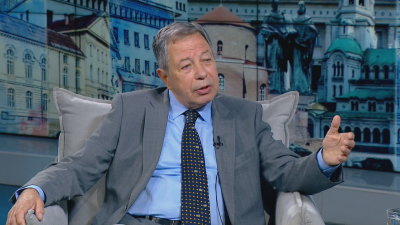
Plamen Dimitrov: “The most expensive flour is currently in Bulgaria. The most expensive rice—€2.66, the most expensive fresh milk, the most expensive cucumbers. The cost of small consumer basket has increased by 7.5% since June.”
CITUB warned that if this trend continues, there is a risk inflation will exceed forecasts and household purchasing power will deteriorate.








 Чуй новините
 Подкаст