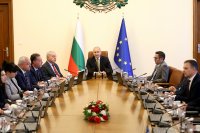
The social partners of the National Council for Tripartite Cooperation, which includes representatives of the government, employer organisations and the trade unions, did not agree on the next year's budget at a meeting on October 31.
The proposed financial framework includes the state budget and the budgets of the Social Security and Health Insurance Funds.
The government received support only from the employers' organisations, which consider it too risky at this point for the state to remain without a budget. Trade unions, however, did not approve the framework, insisting on an increase in the minimum wage, which is currently BGN 710.
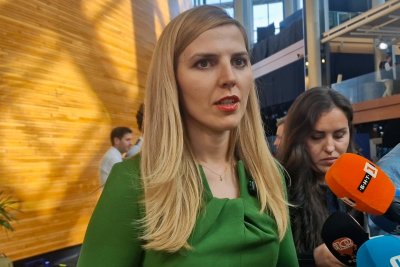
"The government will submit a bill to extend the state budget law for 2022, the Social Security and Health Care Act for 2022, or the so-called budget extension law," Rositsa Velkova, caretaker finance minister, said after the meeting.
The caretaker Minister of Social Policy assured that there would be no reduction in social payments with the extension of the current budget.
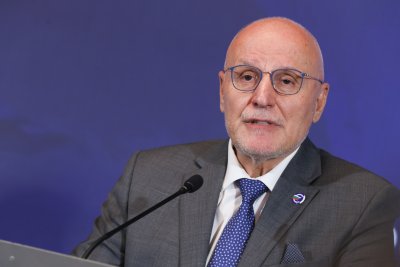
"The trade unions, and in particular the Support Committee, do not support the proposed draft budget for 2023 - this budget is one of the worst options that were presented," said Eng. Ioannis Parteniotios, Support Committee.
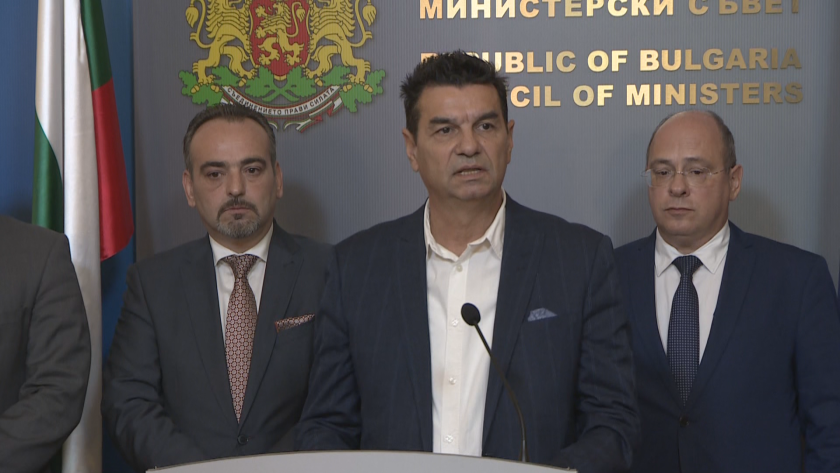
"All nationally represented employers' organisations supported in principle the proposed extension of the budget provisions for this year," said Dobri Mitrev of the Bulgarian Industrial Association.
There were comments from both sides that there must be political will, that the Parliament must pass the 2023 bill that meets the current macroeconomic framework.
‘John Atanasov Awards’: How is Bulgaria Building Its Next Generation of IT Talent?
Bulgaria Marks Independence Day: Veliko Tarnovo Is the Centre of Official Celebrations
Румъния премахва таксата за Дунав мост от 1 октомври и предлага на България да направи същото
Подкрепата на България за Украйна: Опозицията разкритикува позицията на президента