

There is no risk of a hantavirus epidemic in Bulgaria, as apart from the Argentine “Andes” strain, the disease is not transmitted from person to person. However, the infection remains an occupational hazard for people working outdoors and in dusty environments, virologist Prof. Radka Argirova said in Sliven.
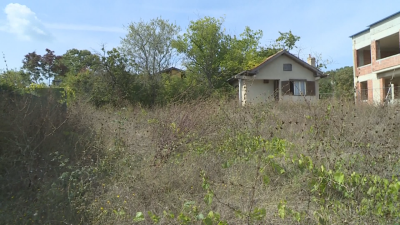
Those most at risk include forestry workers, farmers, and people involved in the maintenance of warehouses and old buildings. The virus is carried by rodents, and infection most often occurs through inhalation of dust contaminated with traces of their excrement.
Prof. Argirova stressed that although the disease can be severe for the individual patient, it does not have the capacity to cause a mass epidemic.
“Do not think in terms of an epidemic. There are no conditions for an epidemic. It is not possible for everyone to ingest contaminated food or objects from such animals. This virus does not have the capacity to trigger an epidemic,” she said.
She added that hantavirus infections do occur worldwide, with thousands of cases reported globally, as well as sporadic cases in Bulgaria. These typically affect people working in forests or other relatively wild environments, such as hunters, veterinarians, and technicians working with wild animals.
“In such environments, which are not subject to any sanitary control, infection can occur if proper hygiene is not observed — which is the most important factor,” she explained.
Regional Health Inspectorate Recommends Temporary Swimming Ban at Officers’ Beach in Varna
Four Patients, Including One in Italy, Given a New Chance at Life Following Organ Donation from a 46-Year-Old Man from Smolyan
President Iotova: The World Should Recognise Mental Health as a National and Global Priority
Hospital Directors at Indebted State Hospitals Earn Higher Salaries Than Health Minister
Поредна размяна на удари между САЩ и Иран и взаимни обвинения в нарушаване на примирието