We will be bringing you some fascinating stories from the Museum of the Ministry of the Interior.. The museum preserves memories, documents and artefacts that bear witness to historical events, crimes and the heroes who gave their lives to the safety of others.
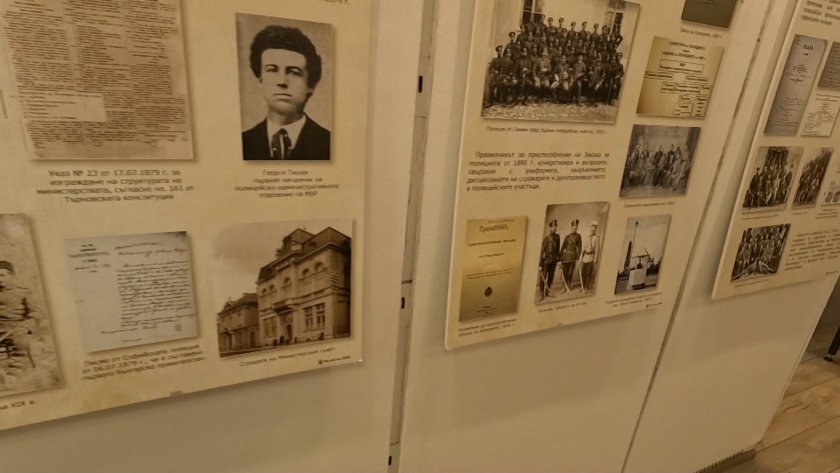
The year is 1956. The Cold War is at its height. The Americans need to know what is happening behind the Iron Curtain, and they need the technology to do so. This is how spy balloons equipped with cameras came into being.
Pepa Vidarkinska, Head of the Museum Section, Information and Archives Directorate, Ministry of the Interior: “We jokingly refer to this intelligence-gathering technology as ‘the grandfather of the drone’. The idea was for the balloons to remain airborne for 8 to 10 days at an altitude of more than 18,000 metres, travelling between 8,000 and 16,000 kilometres eastwards. They were to be launched from European territory.”
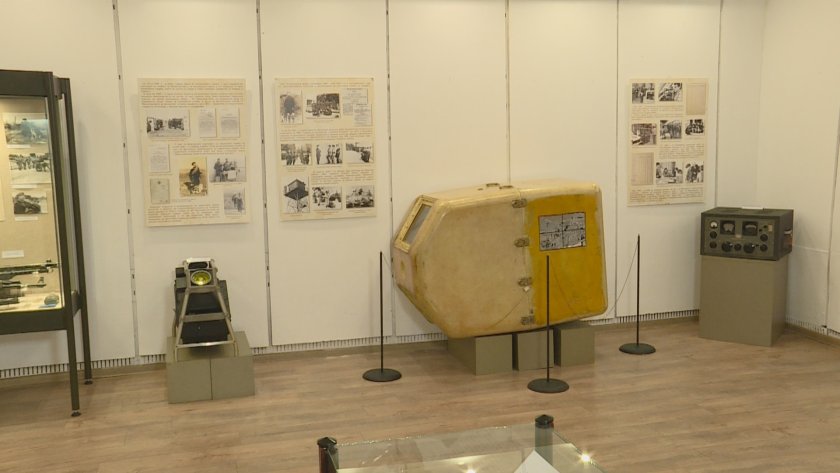
Behind this unusual technology for its time was the reconnaissance programme known as 'Genetrix'. The balloons were designed to travel thousands of kilometres, fly over the territory of the former Soviet Union and gather intelligence.
Pepa Vidarkinska, Head of the Museum Section, Information and Archives Directorate, Ministry of the Interior: “It is indeed an air balloon with a diameter of 30 metres and a length of about 60 metres – in other words, roughly the size of a 20-storey building. The balloon carries a gondola like this one, housing a duplex camera designed to take photographs every 12 minutes, with a capacity of around 500 frames. Our museum inventory records state that this reconnaissance drone was found in Sofia.”
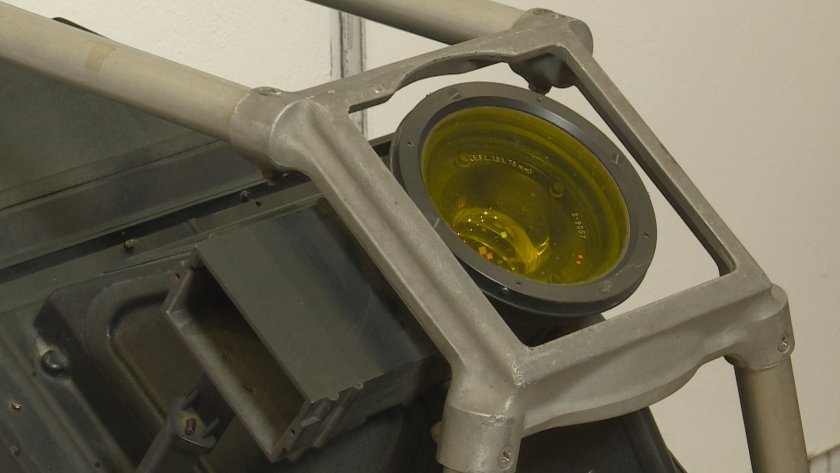
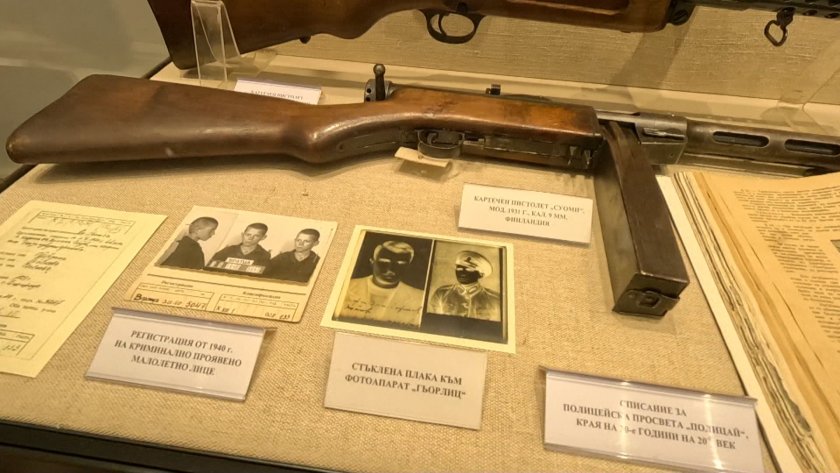
Another particularly interesting exhibit in the museum's permanent collection is the German-made Görlitz camera, which the Bulgarian police used before 9 September 1944 to take photographs for official documents.
In addition to police identification documents, the camera was also used to photograph individuals with criminal records. At the museum, visitors can learn about Todor Krivnaliev, a Bulgarian who was one of the world's most prolific counterfeiters between the two world wars.
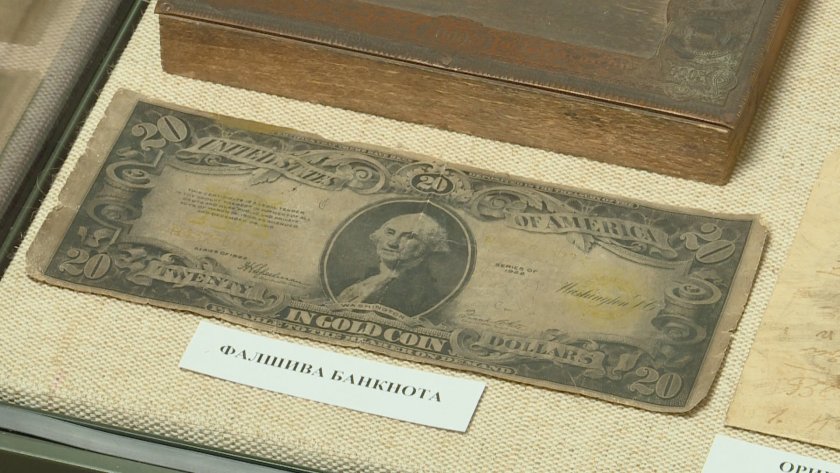
Pepa Vidarkinska, Head of the Museum Section, Information and Archives Directorate, Ministry of the Interior: “He went to America at a very young age. There, he noticed that US dollar banknotes were all the same size, regardless of their denomination. He decided that he could bleach genuine banknotes and then print a higher, counterfeit denomination on them.”
He was eventually caught and spent some time in an American prison before being extradited and returning to Bulgaria, where he began producing counterfeit 20-dollar bills.
Pepa Vidarkinska, Head of the Museum Section, Information and Archives Directorate, Ministry of the Interior: “Here, we have a demonstration of one of these banknotes, as well as the machine he used to produce them. We also have the formula showing which chemical elements he mixed, and in what proportions, to imitate the original ink. He then began printing and circulating counterfeit dollars in Bulgaria. On 9 September 1944, he was still in prison. However, when political prisoners were released, some inmates convicted of ordinary crimes were also freed. Since the new authorities knew about his skills, they recruited him to work at the Mint. Yes, you heard that right. This gave him access to technologies that could be used to produce counterfeit Treasury bonds. We have two examples of such bonds that he created on display here.”
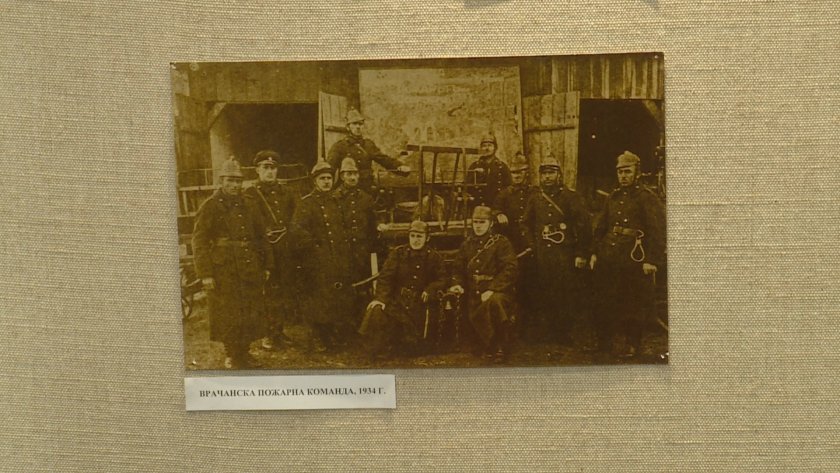
The Ministry of the Interior Museum also tells the story of Yuri Zakharchuk, a Ukrainian who became known in Bulgaria for his work as a firefighter.
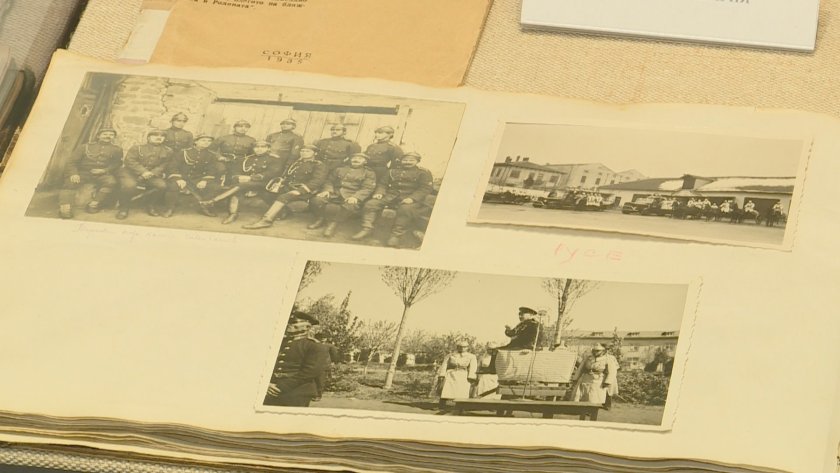
Pepa Vidarkinska, Head of the Museum Section, Information and Archives Directorate, Ministry of the Interior: “He was personally involved in organising the fire service and took part in firefighting operations himself. He was someone who took his work exceptionally seriously and personally. Until his death in September 1944, he set the standard for what a public servant should be.”
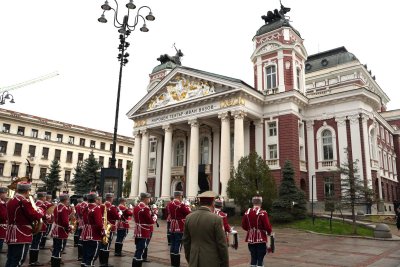
The permanent exhibition at the Museum of the Ministry of the Interior traces the history of the ministry over the 147 years since the institution was established.
Pepa Vidarkinska, Head of the Museum Section, Information and Archives Directorate, Ministry of the Interior: “There is a well-known saying that a nation which does not know its history risks reliving all the negative experiences it has been through.”


 Reliquary Stolen from Bachkovo Monastery Was Put Up for Auction in Estonia at an Asking Price of €15,000
 Bulgaria Recovers Stolen 17th-Century Reliquary Bearing Donor Inscription to Bachkovo Monastery
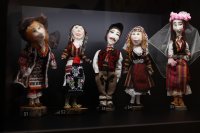 55 Dolls in Traditional Costumes Showcase Bulgaria's Rich Ethnographic Diversity
 "От 2000 евро нагоре": Какви са схемите за издаване на фалшиви медицински документи?
 Жена на годината: Генералният директор на БНТ Милена Милотинова с награда за "Лидерство с въздействие"










 Чуй новините
 Подкаст