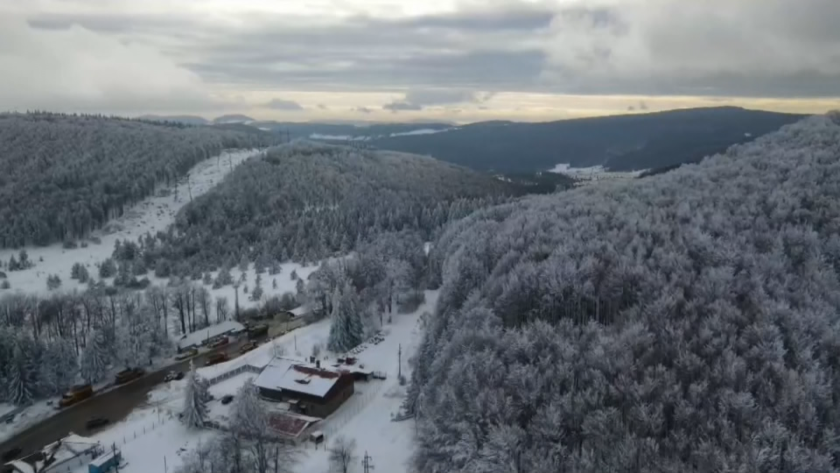
The “Petrohan” case (involving the mysterious deaths of six people) has sparked widespread public reaction and fuelled numerous conspiracy theories. Speaking on Bulgarian National Television’s morning programme 'Denat zapochva' 9the Day begins) on February 11, psychiatrist Dr Veselin Gerev and former deputy Sofia city prosecutor Roman Vasilev discussed the psychological and institutional dimensions of the case.
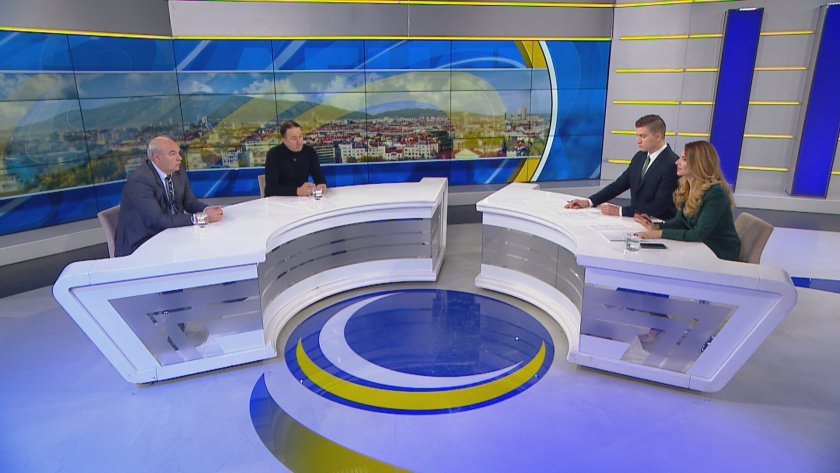
“Our society is shaking from internal tension, aggression, hostility and, most importantly, paranoia. This has been the case for quite some time,” Dr Gerev said. According to him, such paranoid sentiments are intensified by persistent doubts over whether institutions have done their job properly and whether they are providing accurate information.
“People understand that an investigation is under way and that it is not possible to disclose all the information at this stage,” he added.
The former deputy city prosecutor of Sofia, Vasilev, said he agreed with the psychiatrist’s assessment, arguing that many of the questions raised stem from the premature and uncontrolled release of information by state institutions, without coordination at an appropriate level.
“Not everything should be made public — it is, after all, an investigation,” he said. “The way information was presented triggered public concern. Society wants the truth. Showing all sorts of footage is not the right approach. Information must be delivered in a balanced and precise manner, without speculative interpretations, so that the public understands that procedural and investigative actions are under way.”
He questioned whether it was appropriate to broadcast surveillance footage and recordings that could easily be taken out of context, stressing that in any serious criminal investigation the central issue is the motive.
Dr Gerev also addressed the intense public interest in the released footage, describing social media as an outlet for collective anxiety. “This serious crime has generated enormous tension, insecurity and fear in society,” he said.
Turning to youth camps organised by Ivaylo Kalushev, Dr Gerev said it was essential to clarify why parents had entrusted their children for extended periods — months or even more than a year — to a man who appeared charismatic and persuasive.
“It must be established whether these children attended school. Where were the social services?” he asked, noting that adolescence is a particularly vulnerable stage marked by crises of authority, identity and sexuality. “Abuse of these vulnerabilities by a presumed unscrupulous psychopath could lead to lasting harm.”
Vasilev reiterated that the premature release of unverified information had contributed to public reactions.
“Society seeks the truth. That truth can only be reached through the law, which guarantees our freedom. Information must be provided in a balanced and accurate manner, without unnecessary interpretation. In any investigation into a serious crime, the key issue is motive.”
He was adamant that the activities of the organisation linked to the case should be thoroughly examined, as they appear closely connected to the alleged criminal offences.
Among the issues requiring clarification, he said, were reports that the former Petrohan lodge contained sophisticated equipment, including thermal imaging devices, cameras, motion sensors and electric fencing systems. There were also claims of a drone worth more than 80,000 leva with advanced technical capabilities, and it was necessary to establish where it was and how it had been used.
Vasilev concluded that many questions remain unanswered and must now be addressed. He noted that while numerous non-governmental organisations operate in the country, not all fall within the effective oversight of the State Agency for National Security (SANS).
“This case must be resolved in full. State institutions owe that to society,” he said.


 'Myara' Poll: Bulgarians Have Zero Tolerance for Drink- and Drug-Driving and Want Strict Fines and Penalties for Traffic Offenders
 Bulgaria's Central Bank: Annual Inflation of Up to 5.2% by the End of 2026, 3.1% in 2027, and 2.9% in 2028
 After Drone Attacks in the Black Sea: What Support Can Bulgaria Expect from NATO?
 Румънски изтребител F-16 е свалил два дрона в териториалните води на страната










 Чуй новините
 Подкаст