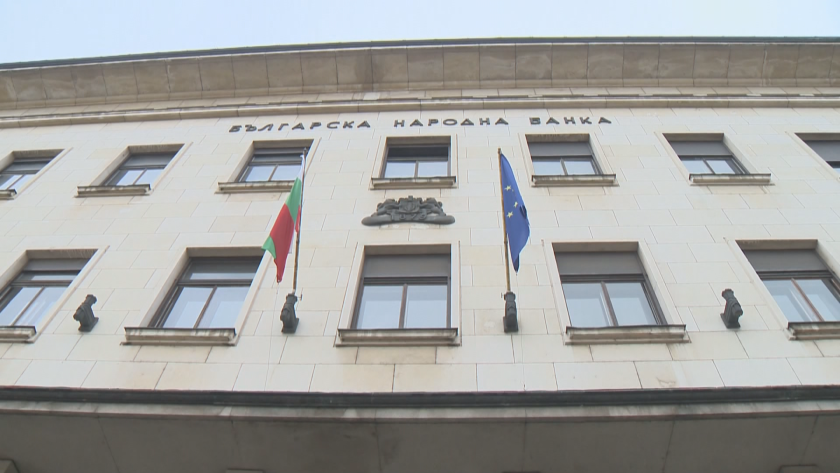
The Bulgarian National Bank raises the countercyclical capital buffer rate in a new attempt to cool housing lending.
The countercyclical buffer is designed to protect against systemic risks and build up capital in the event of a potential deterioration in the economic environment.
Boris Petrov, a financial analyst: “The BNB took a brief pause and is now resuming these preventive measures with the aim of preserving capital buffers in the banking sector and cooling the high pace of credit growth.”
Anton Andonov, chief executive of a real estate agency: “This will not directly affect the lending process, as it concerns the setting aside of reserves as a ratio between banks’ risk exposures – that is, loans – and their own capital.”
The central bank is continuing a policy it has pursued since 2017.
Even after joining the eurozone, the BNB remains among the most consistently conservative central banks in Europe. In terms of countercyclical buffer levels, Bulgaria ranks among the highest, alongside countries such as Denmark, Sweden and the Netherlands.
The uncertain geo-economic environment is among the factors behind the BNB’s decision to raise the capital buffer rate to 2.25%, alongside domestic economic considerations.
Boris Petrov: “The trend of elevated credit growth continues, which this year could have been further supported by the release of high liquidity through the reduction of minimum reserve requirements by the BNB, as well as by the strong capital indicators that Bulgarian banks maintain.”
Experts stress that Bulgaria’s banking system has the highest levels of capital adequacy, and borrowers – both current and prospective – are unlikely to feel any immediate impact from the measure.
Anton Andonov: “We do not expect significant changes in lending. Growth may slow, meaning we are unlikely to see such large increases in lending, and in terms of the property market – yes, we recorded a decline in the number of transactions in the first quarter, but this is not unexpected.”
Boris Petrov added: “There is some slowdown in property sales. Some consider this a temporary measure. Overall, it points to a gradual soft landing.”
The increase in the countercyclical buffer will come into effect on 31 March next year.








 Чуй новините
 Подкаст