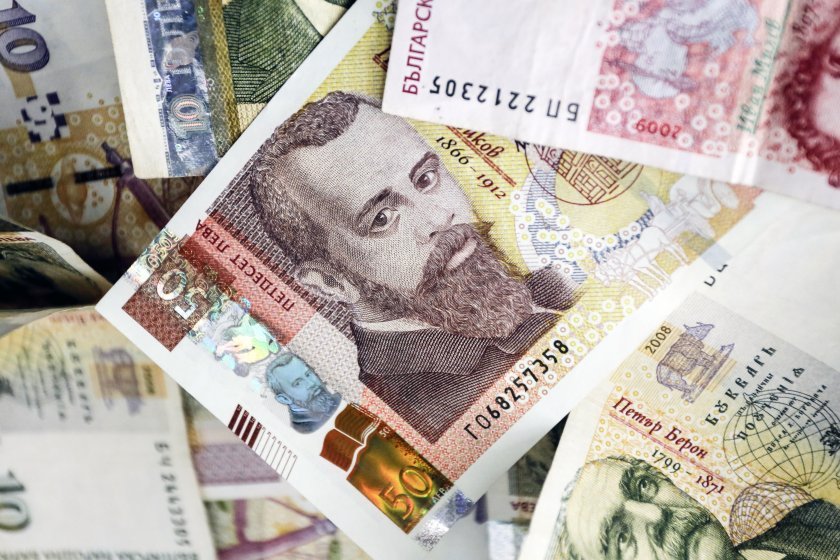
After the strong growth in 2022, the Bulgarian economy will slow down, following trends in the European Union, according to a World Bank report.
The World Bank reports that inflation in Bulgaria remains high, threatening plans to adopt the euro in 2025.
The fiscal deficit is expected to remain below the Maastricht ceiling of 3%, probably on account of reduced public investment.
The new regular government is expected to accelerate the pace of reforms.
Poverty reduction will slow as Bulgaria faces slower growth and higher inflation. Energy affordability remains a pressing issue.
World Bank analysis shows that Bulgaria needs a new set of policies and ambitious reforms to boost economic growth in order to reach EU average income levels over the next 15 years.
The country needs to address its institutional and governance weaknesses and ensure fair competition to boost the efficiency of firms and the expansion of the private sector.
Investing in people's skills will also help bring the economy closer to the productivity frontier.
If Bulgaria can overcome these challenges with an ambitious reform agenda, it could accelerate its economic growth to over 4% in the period to 2050. In a no-reform scenario, however, growth could slow to 1.2% by mid-century.


 The Price of Diesel Reaches Psychological €2-Per Llitre Threshold at Some Sofia Petrol Stations
 Fuel Prices in Bulgaria Continue to Rise; Diesel Is Nearing the Psychological Threshold of 2 Euros Per Litre
 Bulgaria Unveils €50 ‘Inflation Cheque’ for 550,000 People Amid Rising Fuel Prices
 Diesel and Petrol Prices: Drivers Cut Journeys As Industry Warns of Further Rises

 Втората предпремиера на „Под прикритие 6“ в Зала 1 на НДК ще е на 6 октомври
 След срещата Радев - Туск в Полша: Варшава е единствената възможност за поддръжка на МиГ-29









 Чуй новините
 Подкаст