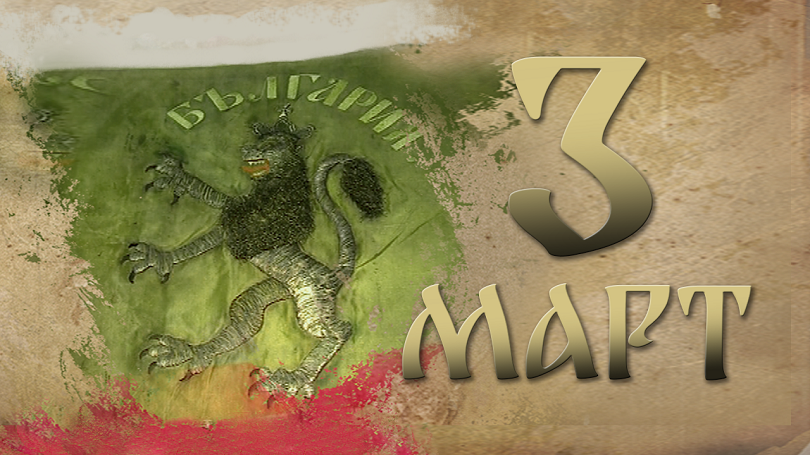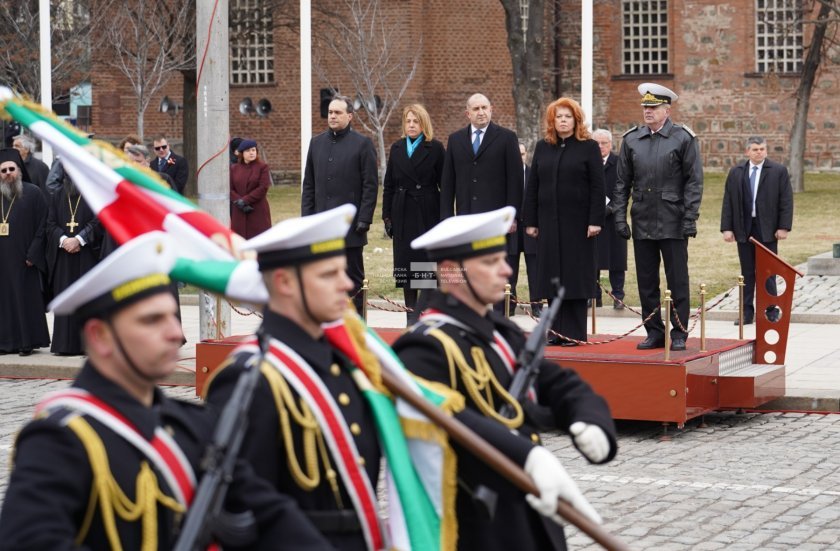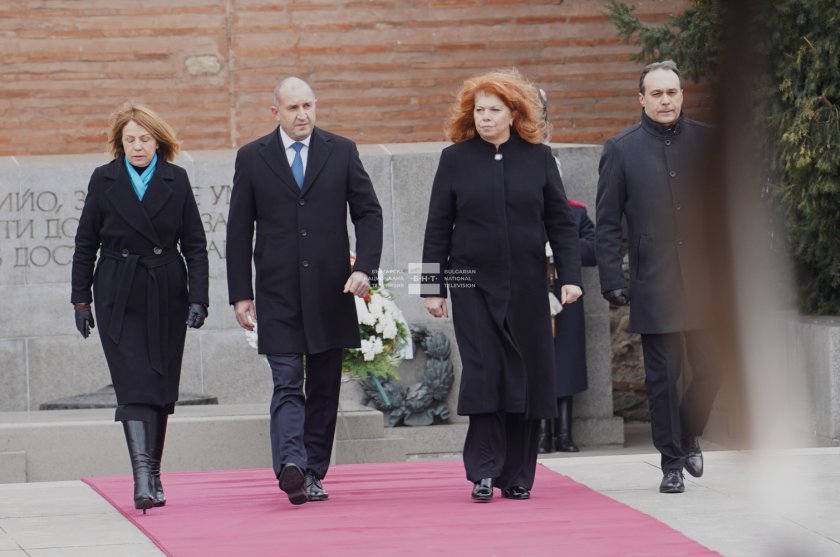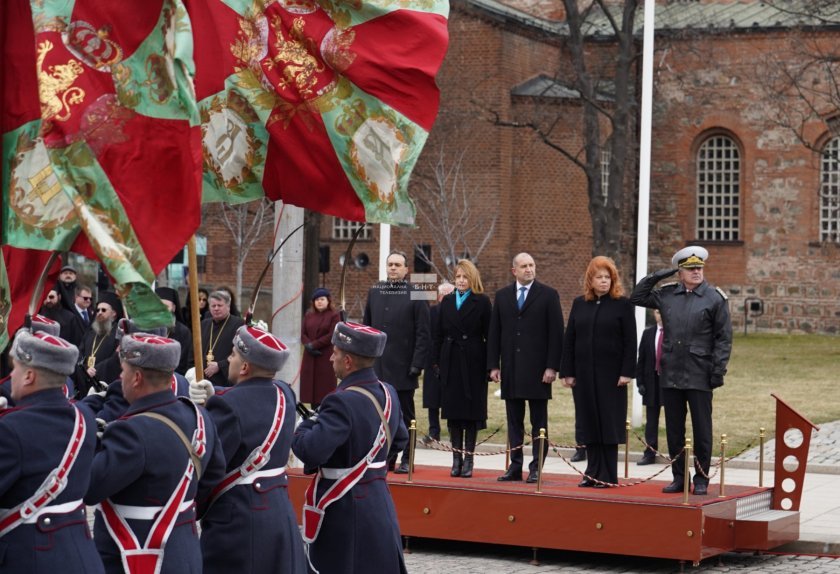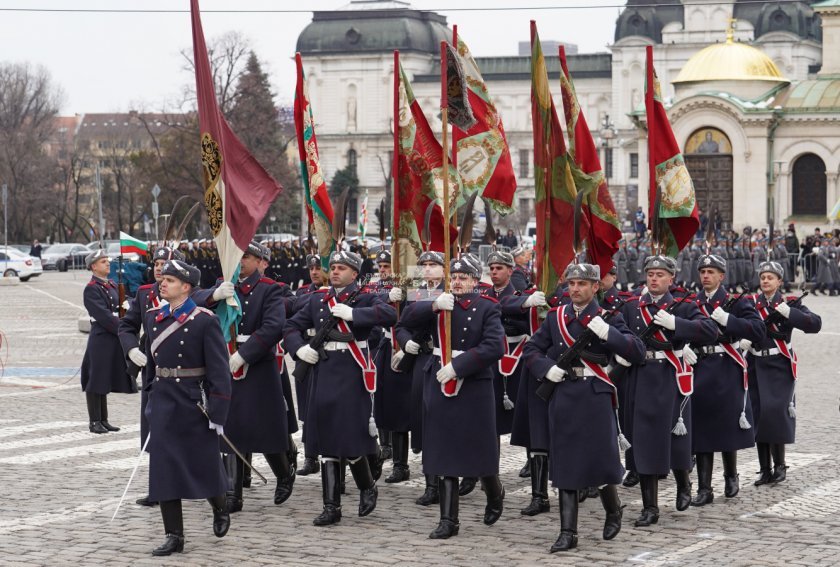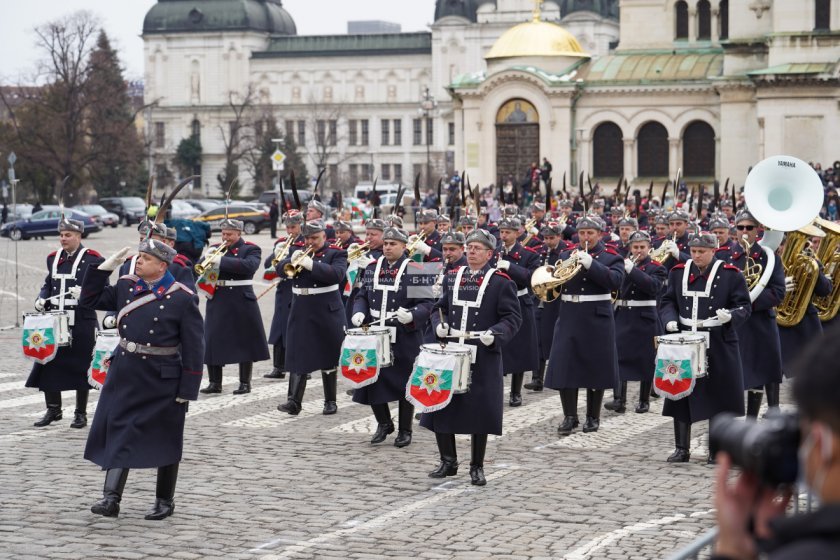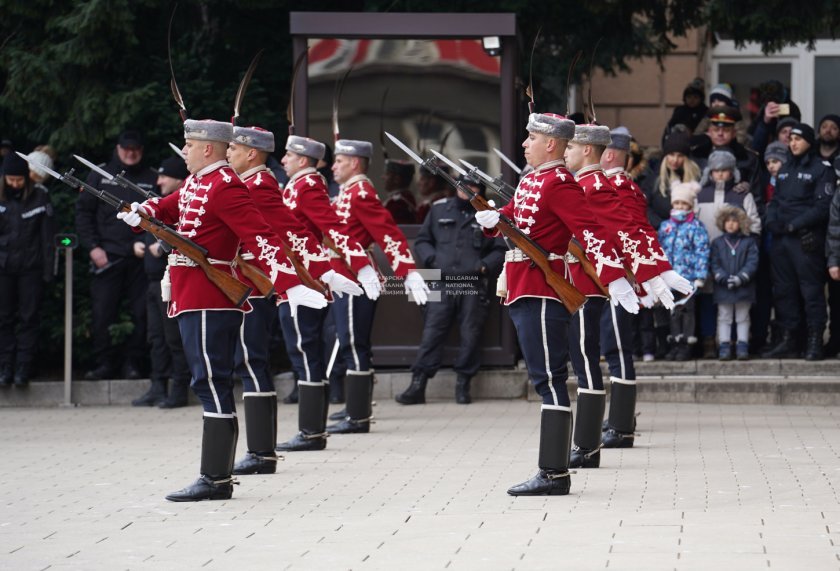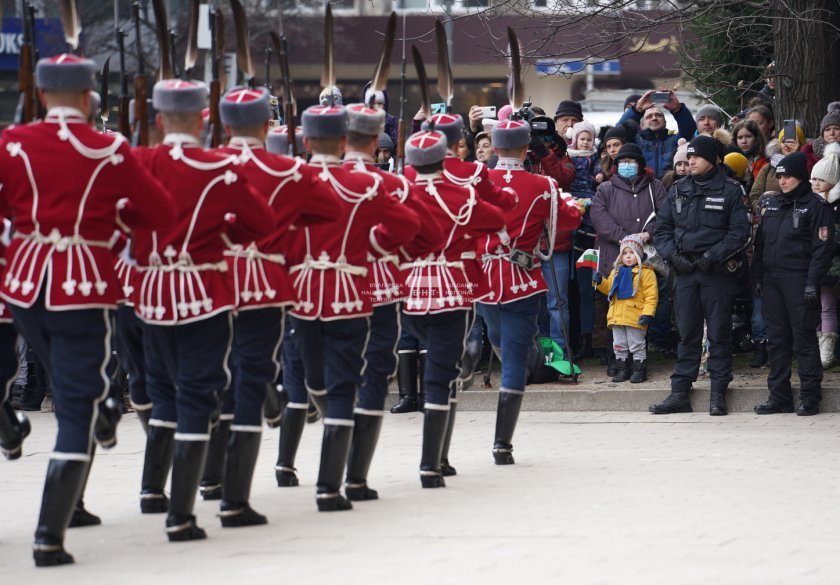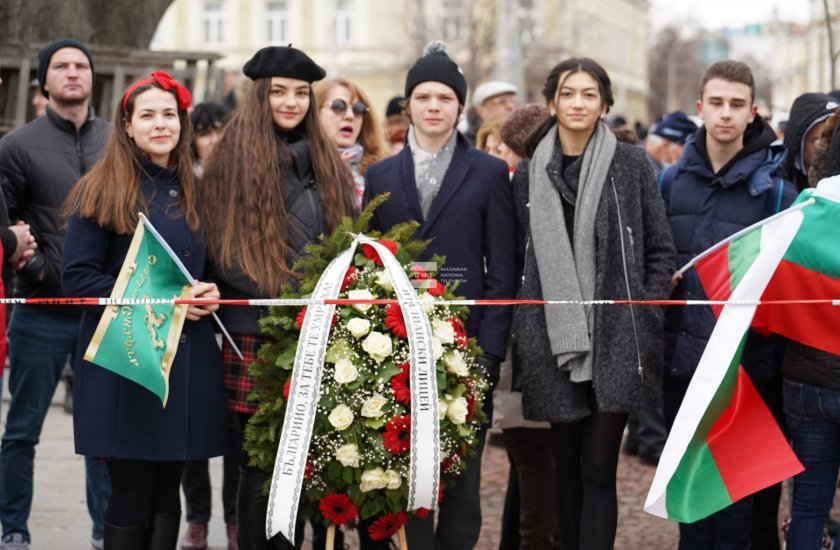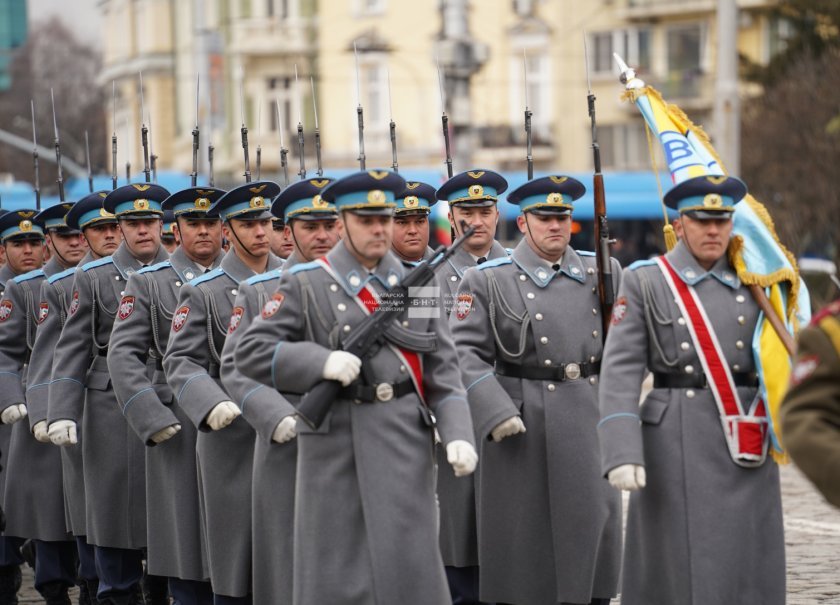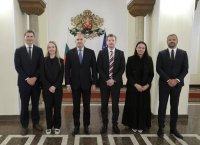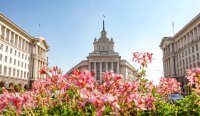

On 3rd of March, Bulgaria celebrates its national liberation from almost 500 years of Ottoman rule. On this date in 1878, the Peace Treaty of San Stefano (a small town near Istanbul) was signed, which put an end to the Russo-Turkish war of 1877-1878 and marked the re-establishment of Bulgaria as a sovereign state.
3rd of March was honoured for the first time in 1880, on the occasion of the Enthronement of Russian Emperor Alexander the Second. Since 1888, it has become Bulgaria’s Day of Liberation, but it was not declared a National Holiday until 1978.
With a Parliamentary Decree from 1990, 3rd of March was included in the list of Bulgaria’s official holidays.
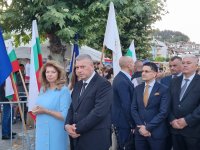
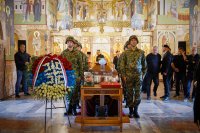
As part of the tradition, every year, solemn ceremonies along with cultural shows and street parades are held throughout the country, particularly in cities and towns, where key battles took place in the Russo-Turkish War.
During the ceremonies, a list of names is read out in remembrance of those who gave their lives in the fight for independence, followed by firework displays.
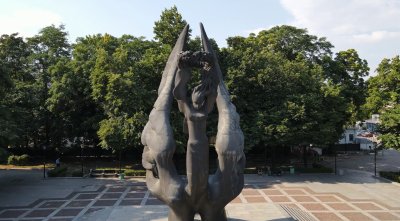
The government holds the ceremonial hoisting of the Bulgarian flag in monuments across the country and in particular, at the Unknown Soldier Monument in Sofia. Wreaths and flowers are laid at monuments that symbolise the liberation.
The Bulgarian National Television will air the events dedicated to the celebration of the holiday.


images by Dessislava Kulelieva
New Programme Cuts Electricity Bills by Funding Home Renovations and Solar Panels
“Conversations About Life and Dreams” Through the Eyes of Children Deprived of Parental Care
As Bulgaria Nears the Euro, Exhibition Showcases the History of Bulgarian and European Banknotes
Gold Medals for Three Bulgarian Students at International Mathematics Olympiad
Снежна Коледа в някои части на страната, преди Нова година температурите падат до минус 10°
Взрив в Москва уби високопоставен руски генерал, Кремъл подозира украинското разузнаване
Две трети от децата в училище избягват да използват тоалетните - до какви проблеми води това?