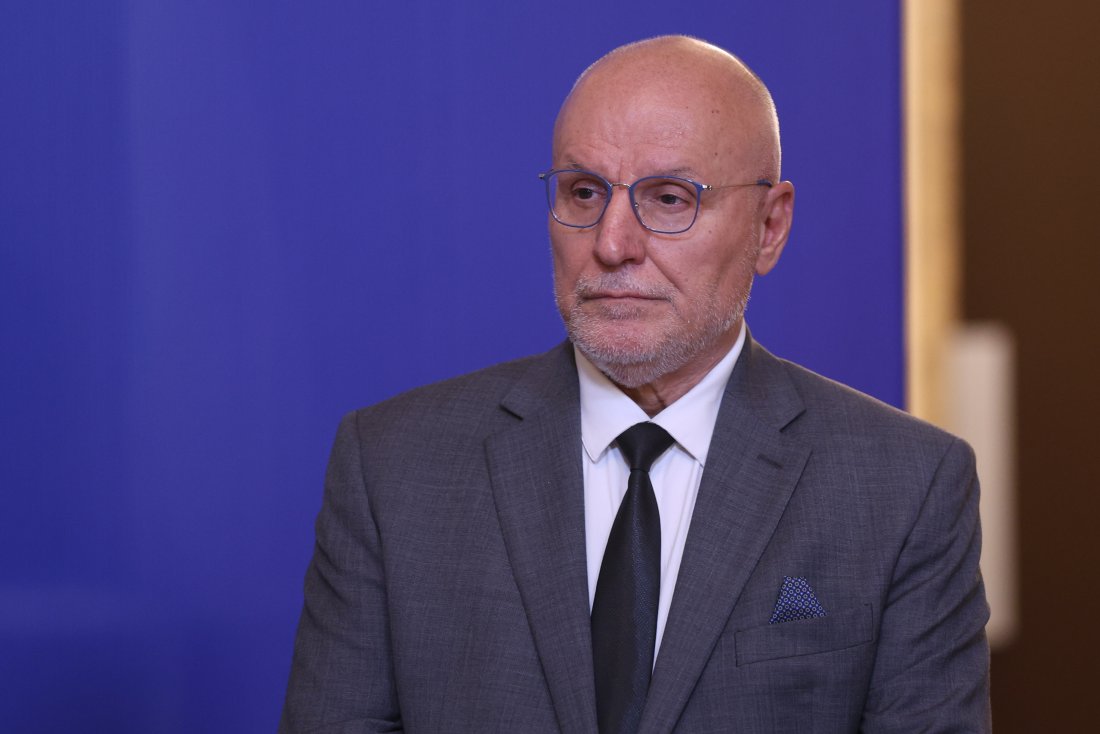
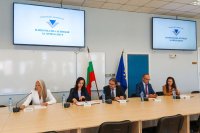
The war in the Middle East is bringing energy risk back to the forefront for the Bulgarian economy, primarily due to imports, Bulgarian Central Bank's Governor, Dimitar Radev, told ministers and business representatives on April 3. According to him, this shock could spill over into the broader economy and affect other sectors, meaning companies may have to shoulder a greater share of the adjustment themselves.
The new budget, which is yet to be drafted, will be crucial in ensuring Bulgaria does not fall into a severe financial crisis. The government’s priorities are to control spending and ensure efficient public expenditure.
Caretaker Finance Minister, Georgi Klisurski, said: “The 2026 budget is indeed important, because at the moment the country’s financial and fiscal situation is like being on autopilot, and the trajectory is not good. Whoever prepares the 2026 budget—whether our team or the next government—and whoever adopts it in Parliament after the elections will have to take difficult and decisive decisions that may not be easy.”
The central bank governor warned that the more unstable the external environment becomes, the more predictable the domestic one should be.
Dimitar Radev Governor of Bulgarian National Bank (BNB): “A difficult period lies ahead. But the impact of shocks does not depend only on external factors; it also depends on what we do at home. If we remain disciplined, Bulgaria will not only get through this period but will emerge stronger and more competitive.”
Emphasis was also placed on the return of energy risk due to the war in the Middle East.
Dimitar Radev: “The most direct channel of impact is energy. This once again presents us with a difficult combination—higher inflation and weaker growth. Our baseline scenario is that growth in Bulgaria may slow to around 3% this year, while inflation could rise to about 3.7%, mainly due to higher energy prices and still elevated domestic price pressures, especially in the services sector.”
Risks are no longer balanced. According to the central bank governor, businesses and companies may need to take on a greater share of their own adjustment, which implies tighter control over costs and investments.







 Чуй новините
 Подкаст