Quick loans of up to €1,860 could be allowed to become twice as expensive on an annual basis, instead of by 50% as was previously the case. This is set out in a new Consumer Credit Act proposed by the Ministry of Economy. The government says the reason for the change is that, under the existing rules, it has not been profitable for quick-loan companies to provide small loans, while the grey economy has flourished as a result. According to the companies, however, their proposals have not been fully taken into account and there is a risk that legitimate businesses will leave the sector.

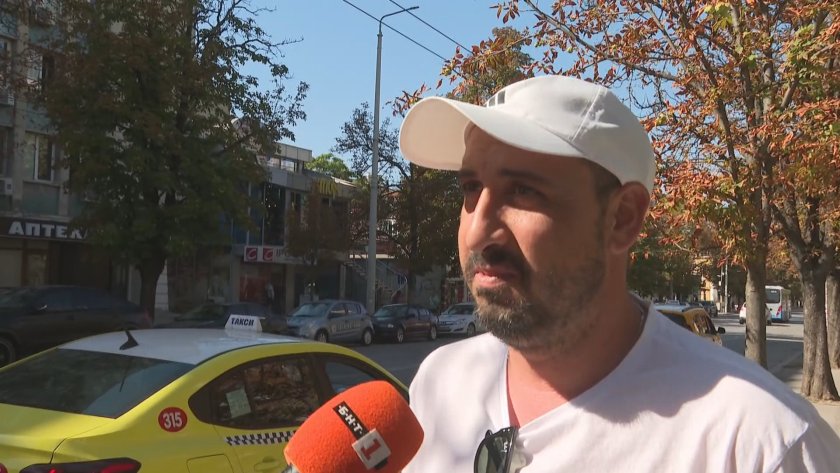
Valentin Mitev is a taxi driver with three children and two loans totalling €9,000. He works overtime.
Valentin Mitev: “We are struggling to survive, basically through sheer effort. We live from day to day, just somehow trying to make ends meet, hoping there will be work and customers so that we can pay our loans, bills and support our children. I really don’t know what to tell you – it is obvious, it is simply heartbreaking.”
Even before the draft was published on the National Assembly’s website, the government said further changes would be made to the new law. According to the opposition, many of the provisions in it are questionable.
Assen Vasilev, chairman of We Continue the Change: “Unfortunately, what has emerged looks to me more like an attempt to take control of the sector than to protect consumers.”

We Continue the Change objected to doubling of the cap on on interest rate increases for small loans of up to €1,860. The party also criticised the fact that quick-loan companies have not been given access to the register of people with gambling addictions, arguing that money could end up going directly into gambling halls.
Asen Vasilev, chairman of “We Continue the Change”: “When something is illegal, the right way is not to make it legal. The right way is to pursue those who engage in illegal activity.”
In a statement to the media, the Ministry of Economy said the main aim of the changes was to ensure a high level of consumer protection and establish clear rules for businesses. The views of the various industry organisations would also be taken into account, but the bill had been submitted earlier because of delays in transposing the European directive.
Konstantin Prodanov, Chair of the National Assembly’s Budget Committee: “In my neighbourhood, garage-based operators offering quick loans are constantly springing up. At the same time, they have tinted windows, several physically fit men standing outside, invariably with tattoos – clearly companies operating on the edge of the law, and very often beyond it. They obviously rely on intimidation and strong-arm tactics.”
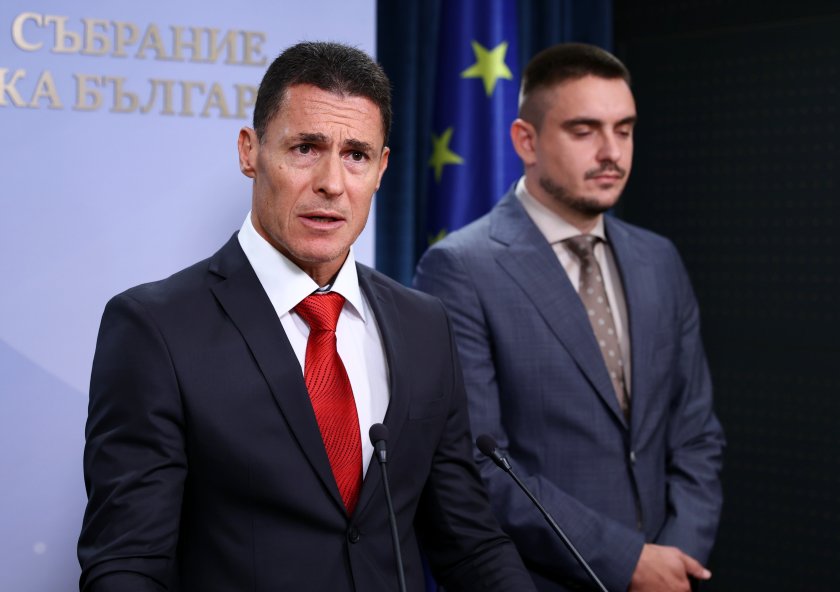
Progressive Bulgaria also plans to table proposals between the bill’s first and second readings, including a ban on loans being issued during the hours of darkness. Prodanov also commented on the cost of small loans. He said the current rules were not working and that a firm cap was therefore needed, as proposed by the Ministry of Economy.
Konstantin Prodanov, chairman of the National Assembly’s Budget Committee: “This tiered cap is 20% for one month, 30% for three months and 100% for longer-term loans.”
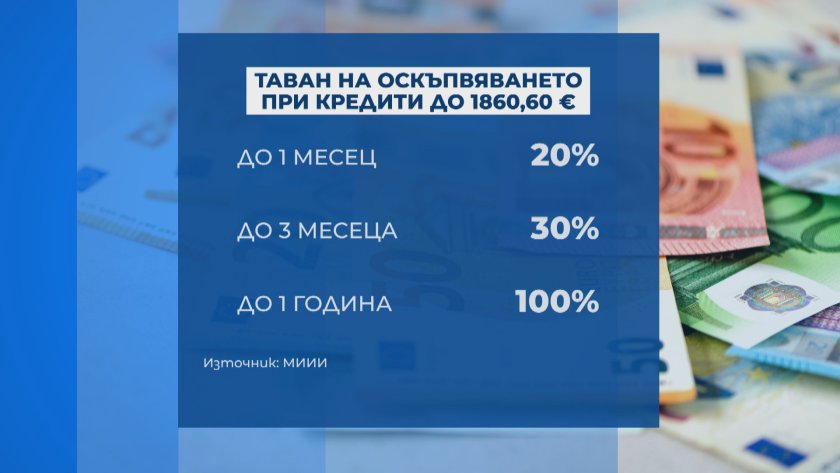
However, the Association for Responsible Non-Bank Lending says the cap is not high enough, nor is the threshold for small loans. At present, people borrow an average of €2,000.
Nikolay Tsvetanov, Association for Responsible Non-Bank Lending: “It may become impossible for companies to provide the loans that are most in demand – small amounts for short periods. For short-term loans, the cap is 20%, which in some cases does not even cover the costs of issuing the loan.”
The industry also says the grey economy is currently thriving because of loopholes in the existing Consumer Credit Act.
Nikolay Tsvetanov, Association for Responsible Non-Bank Lending: “The loophole is literally wide open, giving anyone who wants to circumvent the rules the opportunity to do so, and completely legally. The new bill introduces a new concept covering all costs associated with a loan, which is fundamentally different, and sets an absolute cap on additional charges.”
Photos: BNT, BTA, illustrative
According to quick-loan companies, however, the law is unbalanced and would lead to excessive regulation of the sector.
Nikolay Tsvetanov, Association for Responsible Non-Bank Lending: “The huge danger is that companies will be driven out of an entire segment of the market. And because there is no vacuum in society, that segment will most likely be filled by not-so-legitimate lenders.”
If the law is passed, every quick-loan advertisement will have to carry the words: “Warning! Taking out a loan costs money!”




 Български лекари ще прегледат Ива Михайлова, македонският външен министър: Разглеждаме това като жест на добра воля
 Специално за БНТ: Говори екипажът на хеликоптер от авиобаза „Крумово“ за мисията по издирване и спасяване в Черно море
 Илияна Йотова за КСНС: За първи път в български документ има три конкретни неща за войната в Украйна и последствията от нея










 Чуй новините
 Подкаст