ИЗВЕСТИЯ

Моите новини

ЗАПАЗЕНИ

OECD: Bulgaria Has the Highest Rate of Elderly Poverty

bnt avatar logo от БНТ
A+ A-
Чете се за: 04:22 мин.
EN

What recommendations the Organisation for Economic Co-operation and Development made to our country

българия продължава страната бедни възрастни хора показва доклад оиср

The Organisation for Economic Co-operation and Development (OECD) has recommended that Bulgaria strengthen its fiscal discipline, seek ways to reduce pension expenditure, improve the education system and curb corruption.

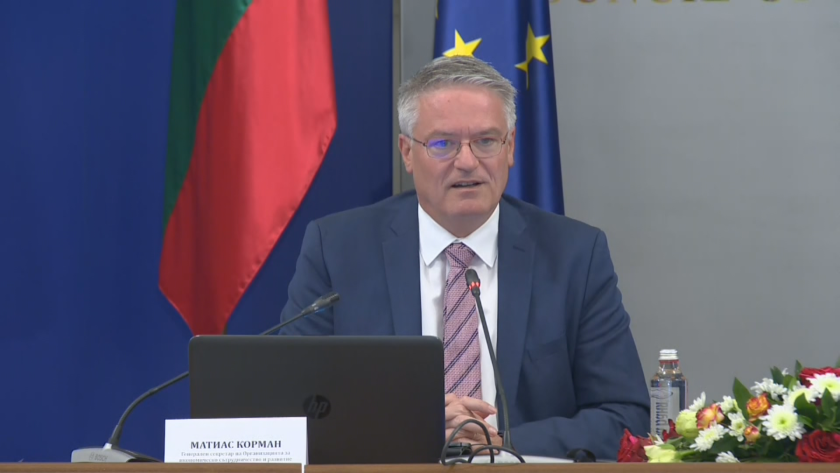
This is outlined in a report on the country’s economic situation, presented in Sofia by the OECD’s Secretary-General on February 5.

Bulgaria has been seeking membership of the organisation since 2017 and is making progress, according to the latest report.

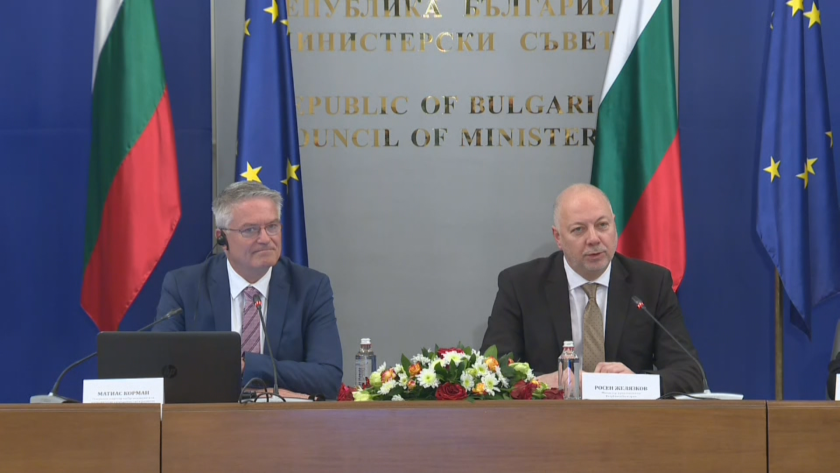
OECD membership is the next major economic and political objective, said outgoing Prime Minister Rosen Zhelyazkov.

The OECD report also shows Bulgaria continues to be the country with the largest proportion of older people living in poverty.

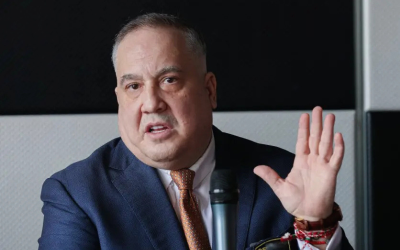
Mathias Cormann, OECD Secretary-General, said:

“Old-age poverty is the highest compared with other EU countries. At the same time, social security contributions are very high, and we believe that part of the solution lies in encouraging people to work for longer.”

If the retirement age is not increased, pensions will need to be reduced or social security contributions raised, experts warn.

Mathias Cormann added:
“We expect the pension deficit to remain above 4% of GDP until 2027.”

For this reason, the OECD advises that fiscal discipline should be further tightened. The organisation notes that Bulgaria continues to have an exceptionally large shadow economy, with around 2% of GDP lost each year as a result. It recommends stronger controls and obliging even small companies to pay wages via bank transfer.

Mathias Cormann said:
“Labour productivity per worker is lower than in other countries, including those in Central and Eastern Europe.”

He therefore advises increased investment in innovation and research and development.

Mathias Cormann also said:
“More effective measures against corruption would improve the investment climate and attract more investors. Businesses report higher levels of corruption than the EU average.”

The report highlights shortcomings in the education system as well, with the OECD recommending longer training for teachers and greater investment in educational infrastructure.

Mathias Cormann said:
“Overall spending on education in Bulgaria is relatively low — 4.1% of GDP, compared with an OECD average of 5.7%.”

Despite these criticisms, the OECD acknowledges that Bulgaria is moving closer to the standards of member countries.

Rosen Zhelyazkov, outgoing Prime Minister, said:
“We have always succeeded, and it has always been the hard way. We are once again in a period of political uncertainty over how we will address these challenges. I hope that this national approach will lead us to a better outcome sooner or later.”

Bulgaria is expected to implement a further seven measures this year in order to complete the final roadmap set out by the OECD.

Последвайте ни

ТОП 24

Най-четени

Водещи новини

Product image
Новини Чуй новините Спорт На живо Аудио: На живо
Абонирай ме за най-важните новини?