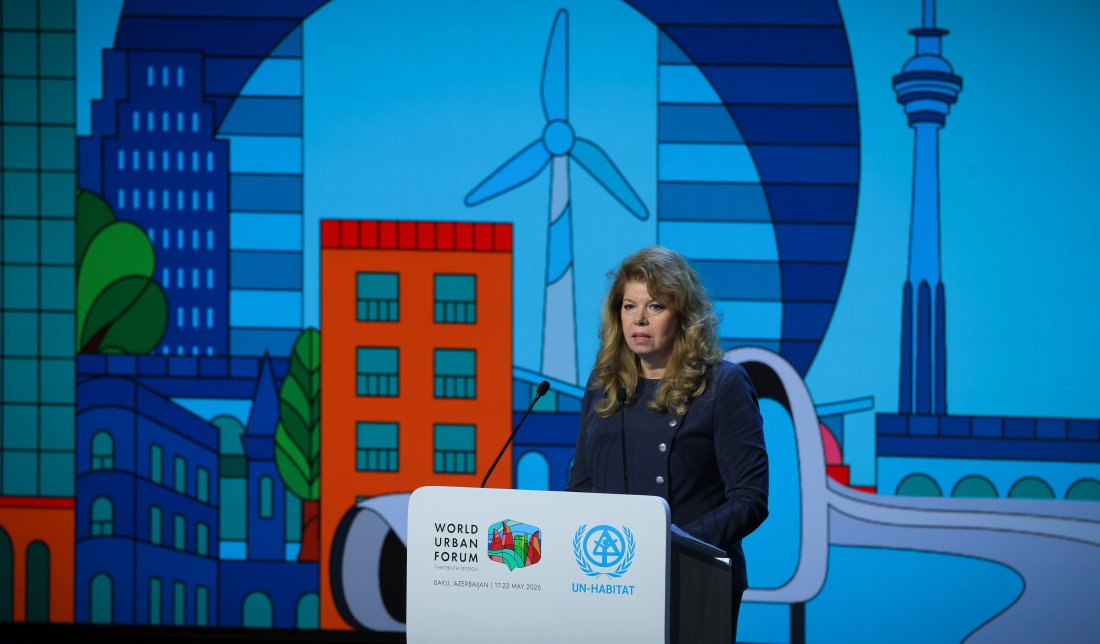
The success of a city should not be measured by the number of skyscrapers, technologies or GDP, but by whether even the most vulnerable person has a home and security, Vice President Iliana Iotova said in her address at the 13th session of the World Urban Forum.
Speaking at the summit, themed “Housing the World: Safe and Sustainable Cities and Communities”, she emphasised that investment should be focused primarily on people.
“The true measure of a city is not its size, but whether no one within it feels left behind,” she said.
Iotova stressed that technology must serve humanity, not replace it.
“Artificial intelligence, digital systems and ‘smart cities’ will only have real value if they serve humanity — if they reduce inequality and make life more accessible, safer and more dignified,” she underlined.
She added that housing policy should not be treated as a separate sectoral issue, but as a cornerstone of society’s future.
“We need cities that do not divide people by income, generation or origin — cities that offer opportunity, and build community,” she concluded.
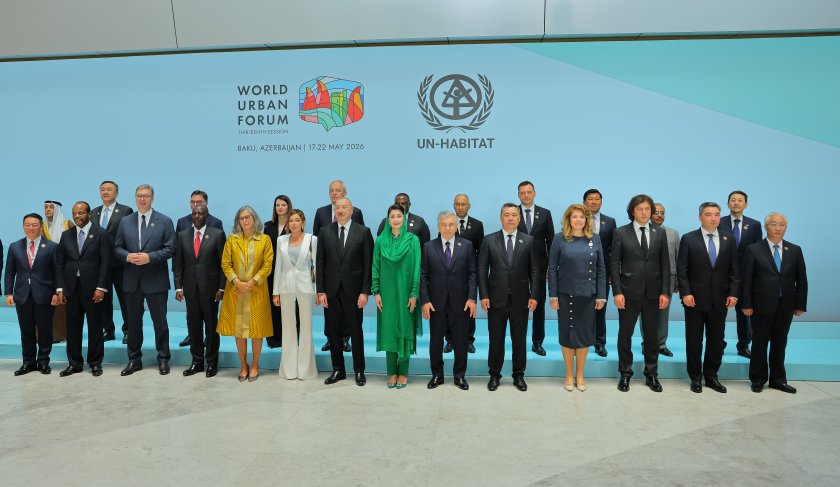
In her speech, President Iliana Iotova emphasised that cities today are “geopolitics in action”, and that the way they are designed will determine not only quality of life, but also the stability of societies, the resilience of states, and trust in political systems.
“The future will not be measured only by economic growth. It will be measured by whether we have succeeded in creating cities where people want to live, raise families, work and dream,” she said.
Iotova cited data suggesting that by 2050, seven in every ten people worldwide will live in urban areas. She also noted that nearly 2.8 billion people globally live without housing that meets basic standards of human dignity.
“To meet global needs by the end of this decade alone, the world should build one home every second,” the President said.
Iliana Iotova argued that access to housing is not merely a market issue, but one of justice and dignity.
“A home is not a commodity, but the starting point of everything else. Without it, there is no stable job, no school for children, no healthcare, no citizens who feel part of their community. When a city loses the ability to house its people, it has not lost buildings — it has lost its meaning,” she said.
She also highlighted rapid urbanisation processes, stressing the need for new and adequate tools for managing urban development based on the principle of “shared goals, different roles” between national governments, regions, cities and communities.
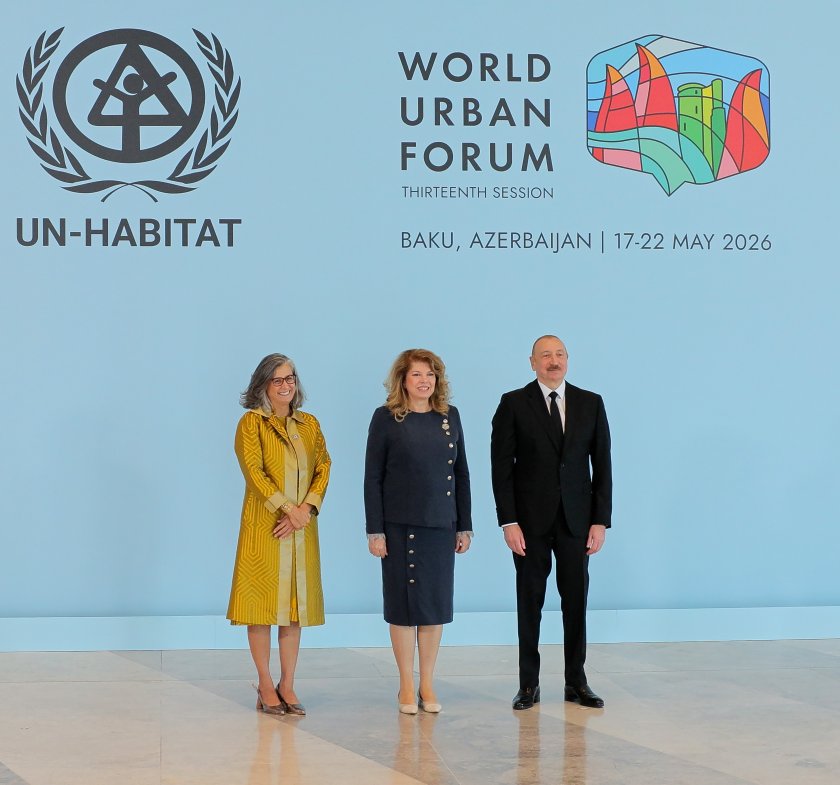
Iliana Iotova linked urbanisation to ongoing armed conflicts and climate change during her address.
“Over 60% of people fleeing wars seek refuge in cities because that is where security, jobs and education are available,” she said, stressing that such people should not be seen as a threat, but as potential.
Iotova argued that a well-prepared city turns newcomers into citizens, workers, taxpayers and neighbours, while an unprepared city pushes them to the margins, into informality and invisibility. She added that urban resilience is not an environmental luxury, but a necessity affecting entire regions.
The President also outlined Bulgaria’s demographic picture, pointing to an ageing population, internal migration trends, depopulating regions and widening inequalities between major urban centres and smaller towns.
“We know what it means for one city to grow while another nearby fades away. We know what it means for young families to be unable to afford a home, and for entire generations to lose their sense of perspective. These realities confront us with the same challenges, regardless of which part of the world we come from,” said Iliana Iotova.
The delegation accompanying President Iliana Iotova in Baku includes the Mayor of Veliko Tarnovo and Chair of the Management Board of the National Association of Municipalities in the Republic of Bulgaria, Daniel Panov.
During a meeting yesterday between Bulgaria's Head of State and the President of Azerbaijan — in which Panov also took part — discussions included the implementation of the “Shusha” park project in Veliko Tarnovo in cooperation with the Azerbaijani side.
The World Urban Forum, which continues until 22 May, also brings together representatives of local authorities from across Bulgaria. The 13th session of the forum is hosting more than 40,000 participants from 182 countries.


 'We Continue the Change': The Election Results Are a Clear Signal from Citizens that the Government’s Policies Are Not Good for Bulgaria
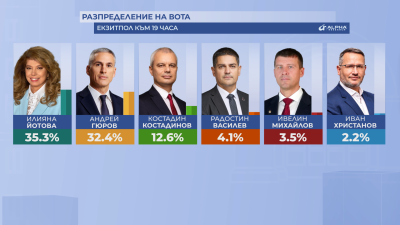
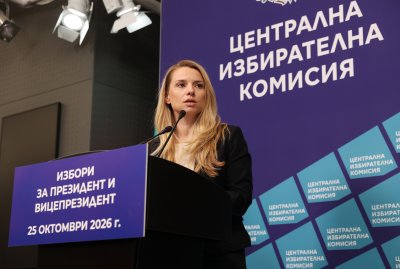
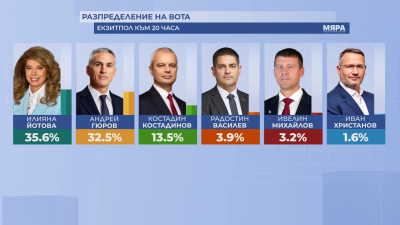
 Central Election Commission: With 7.37% of Polling Station Protocols Processed, Iotova and Gyurov Head to a Run-off in Presidential Election on 1 November
 Iliana Iotova: It Is an Illusion to Think That We Can Bring About Change in the Country by Not Voting
 Илияна Йотова: Илюзия е, че ако не се гласува, можем да извършим промяна в страната
 Историческа победа за студентите, Вучич призна загубата си на парламентарните избори в Сърбия









 Чуй новините
 Подкаст