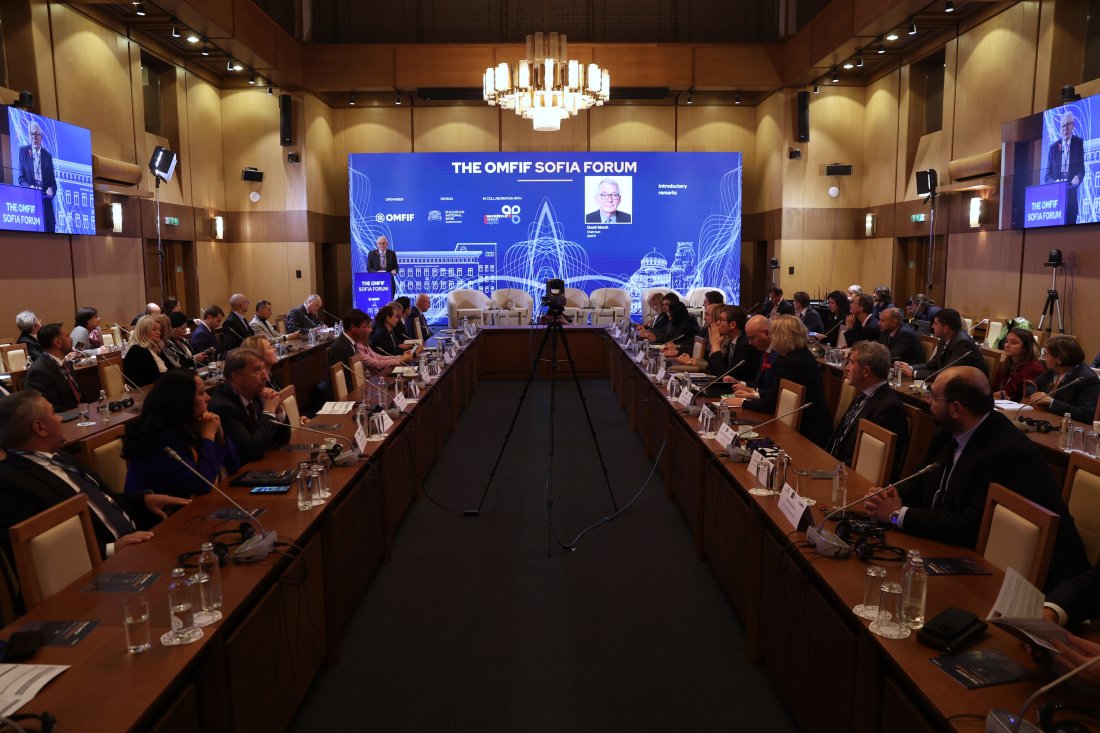
Inflation in Bulgaria is rising again, reaching 6.1% in October, according to preliminary data from the National Statistical Institute (NSI). The pace of price increases was among the topics discussed at an international banking forum being held in Sofia.

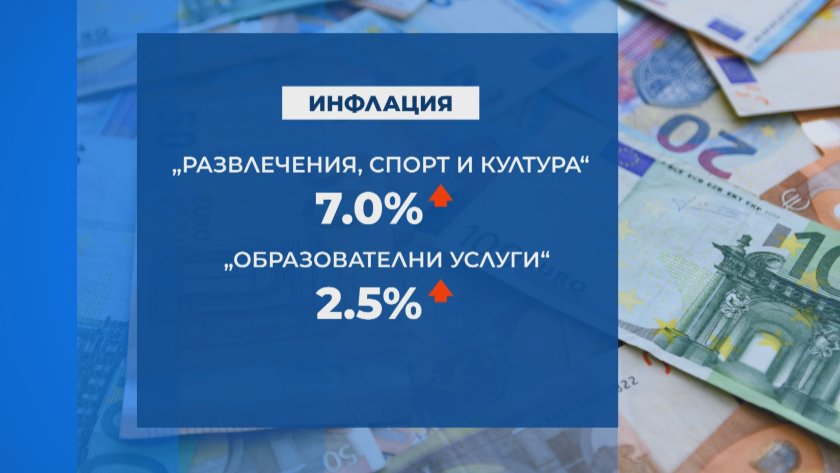
The monthly increase is 1.3%, according to the Consumer Price Index. By comparison, annual inflation stood at 5.7% in September. The NSI reported the largest increases in the categories of “Recreation, Sport and Culture”, at 7%, and “Education Services”, at 2.5%.

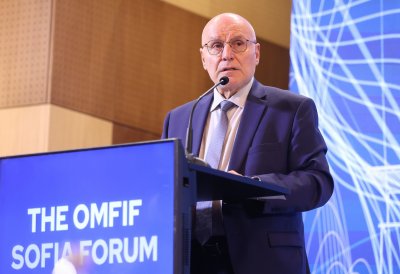
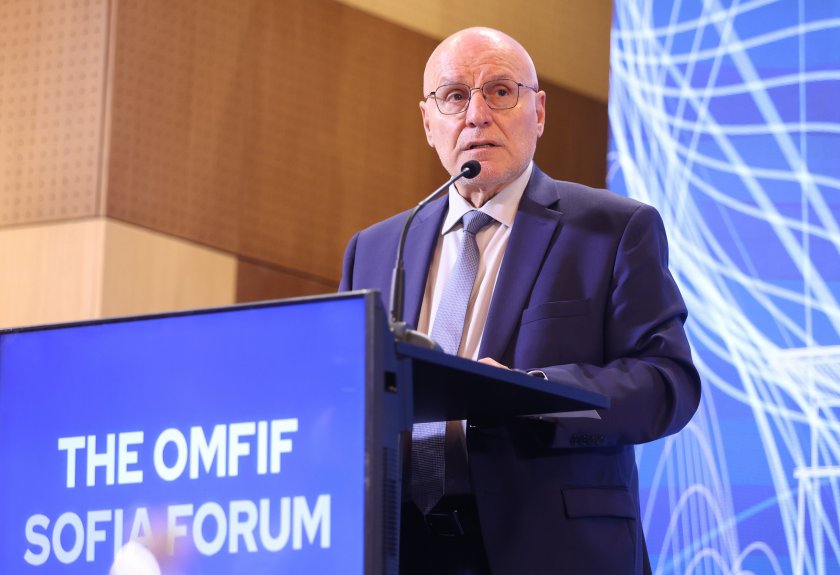
Inflationary pressure in Bulgaria remains higher than the eurozone average, Bulgarian National Bank Governor Dimitar Radev also said in his address. He noted that joining the eurozone does not eliminate domestic economic risks for Bulgaria.
The Association of Banks in Bulgaria again commented on the planned windfall tax, while also stressing the banking sector’s major role in the process of joining the euro.

Dimitar Radev, Governor of the Bulgarian National Bank: “Joining the eurozone does not eliminate differences between national economies, nor the need for sound domestic policies. Inflation dynamics are a telling example. In September, annual inflation in Bulgaria stood at 5.6%, as measured by the Harmonised Index of Consumer Prices, compared with an average of 3.8% for the eurozone. These figures indicate that inflationary pressure in Bulgaria remains stronger than the eurozone average. The single monetary policy provides the framework for price stability in the eurozone, but national economic conditions continue to matter, including domestic demand, credit growth and financing conditions. Joining the eurozone does not eliminate Bulgaria’s domestic economic risks, although it significantly limits external risks. It makes sound national policies and a strong banking sector even more important.”

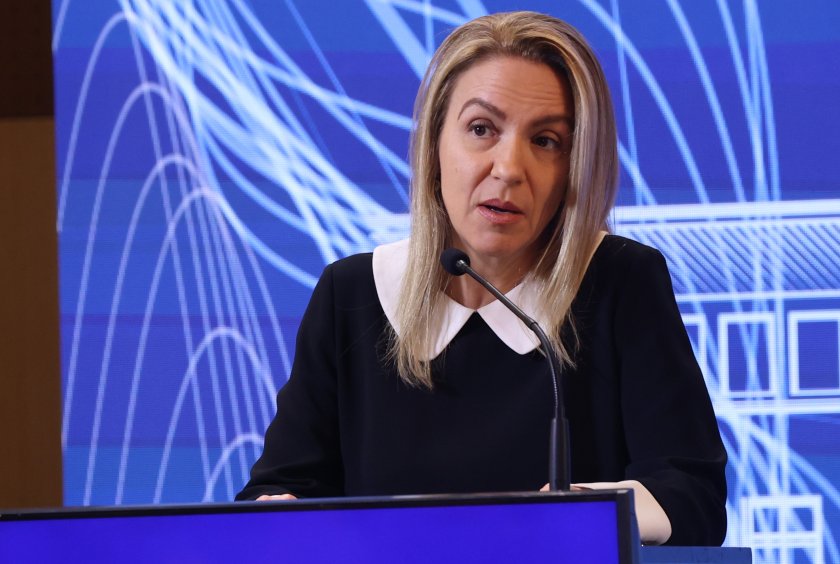
Petya Dimitrova, Chair of the Association of Banks in Bulgaria: “The value of investment and reinvestment over the 2020–2025 period amounted to 70% of the profits generated during that time. Bulgaria’s banking system has some of the lowest interest rates in Europe, if not the lowest. Throughout this period, despite all the upheavals, interest rates have not risen, and this has contributed to the development of the Bulgarian economy as a whole.”
Повдигнаха обвинение на мъжа, причинил смъртта на куче в столичния квартал "Кръстова вада"
ЦИК обяви Илияна Йотова и Кирил Вълчев за победители на президентските избори