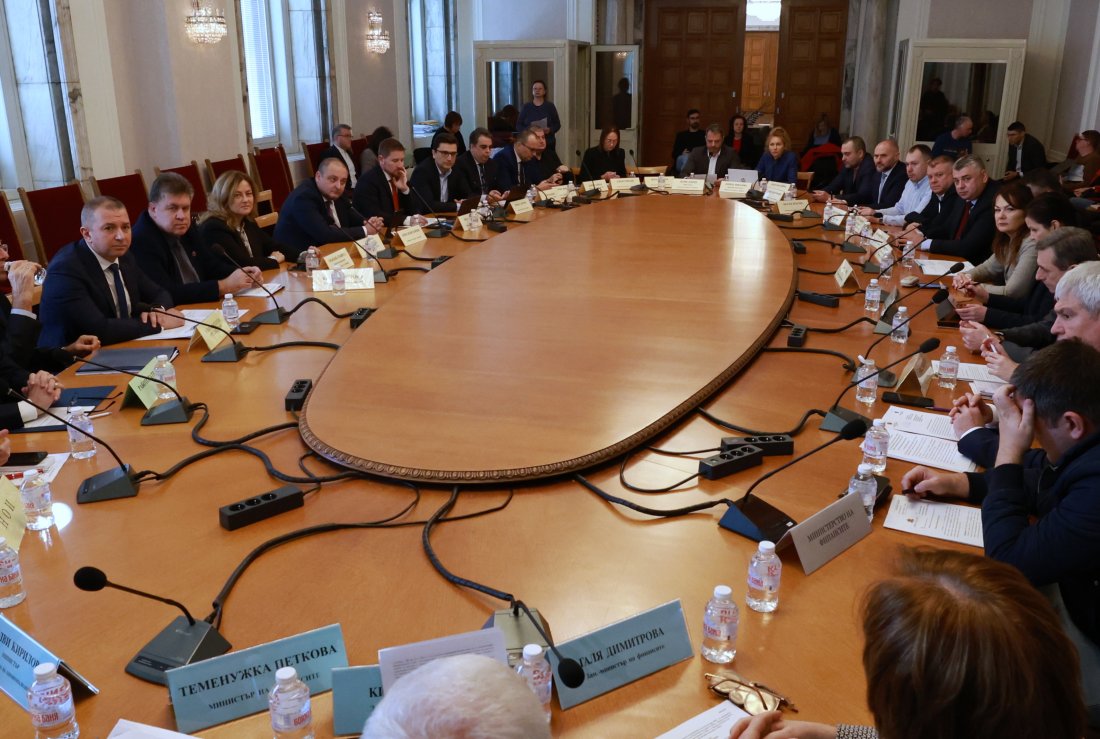


The parliamentary committee responsible for budgetary matters on December 16 approved the extended State Budget Act. The measure was passed with 13 votes in favour, 4 against, and 1 abstention.
Trade unions voiced concern that many employees in the public sector will not receive a pay rise next year under the extended budget. They have therefore proposed moving to the second version 2026 budget plan.
Meanwhile, employer organisations argued that, given the current political situation, it is preferable to adopt the extended budget law so that the state at least has a budget in place, with a regular budget to be drawn up once a new government is formed.
Some of the participants in the budget committee shared their views at the start of the debate:
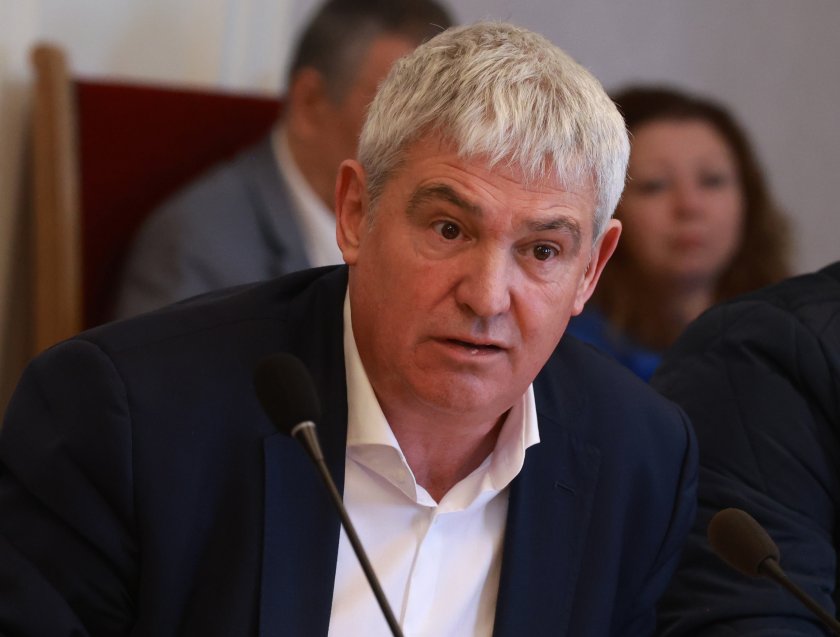
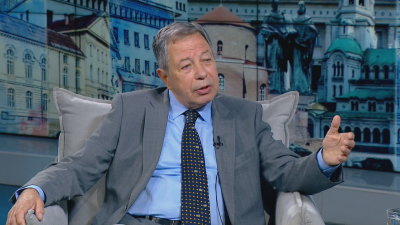
Plamen Dimitrov, President of the Confederation of Independent Trade Unions (CITUB):
“Half a million Bulgarian citizens whose salaries are paid by the government… I haven’t even mentioned the civil servants themselves. If you include their families, we’re talking about around 1 million people who will be directly affected by the adoption of the extended budget instead of the regular one. Do what you will with this, make whatever corrections you like, but at the very least, put it before the chamber so that these 470,000–500,000, or 1 million people, know who to thank and who not to thank, especially as we head towards elections.”

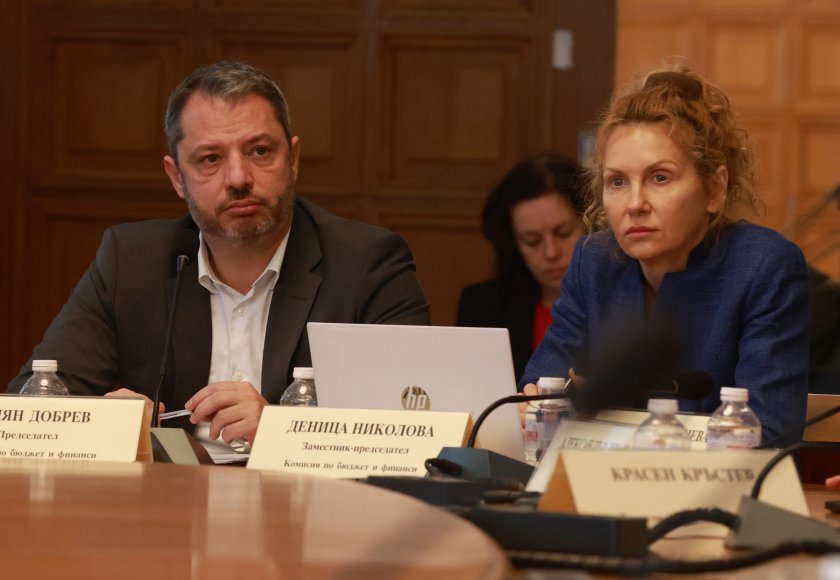
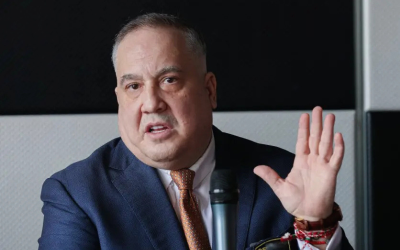
Delyan Dobrev, Chair of the Budget Committee, GERB-UDF:
“There needs to be consensus for these laws to enter the chamber. Before I give the floor to Mr Manolov, I want to ask the representatives of the protest – Mr Vasilev and Mr Dimitrov – do you agree that the 2026 budget should be discussed in the chamber and will you support it? If not, we will continue with today’s agenda.”

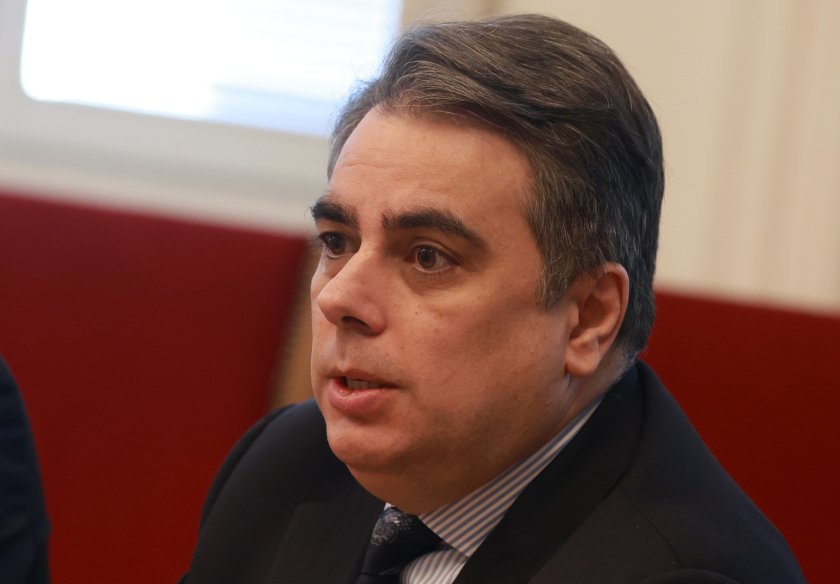
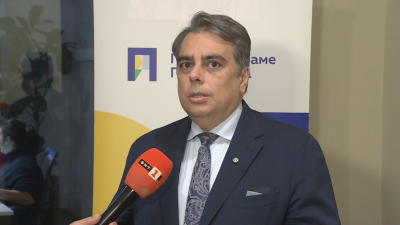
Asen Vasilev, Co-Chair, We Continue the Change (WCC-DB):
“The second point we made during the first reading of the State Budget Act, which we voted against, remains unchanged. This budget comes with a fiscal structural plan that has been notified in Brussels. That plan foresees an increase in the tax and social security burden in 2027–2028, which runs counter to the policies we believe should be pursued.”

photos: BTA
Крачка назад: ЕК смекчава правилата за продажба на нови бензинови и дизелови коли
Наркобосът Росен Кръстев - Стъкларя остава в ареста, реши съдът в Ловеч