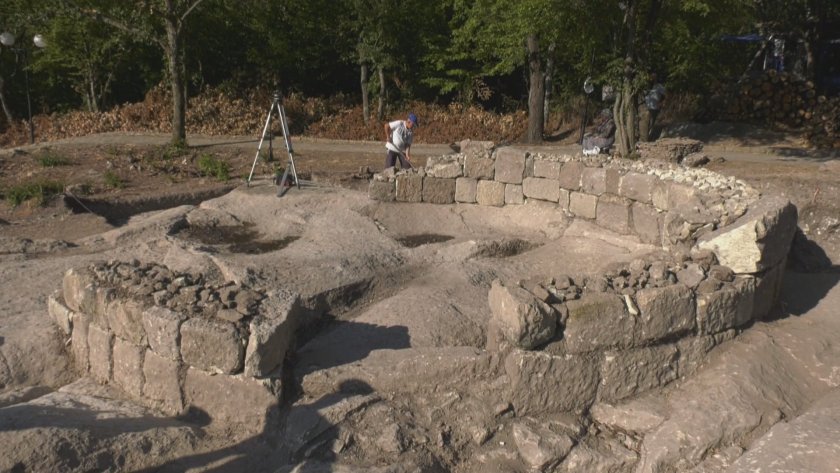
Archaeologists at Perperikon have uncovered a circular mausoleum dating from the 3rd to 5th century AD, along with a rock-cut tomb believed to belong to a deified Thracian ruler, similar to the so-called Tomb of Orpheus. According to the excavation team, the necropolis has no known parallel anywhere in the Roman world.
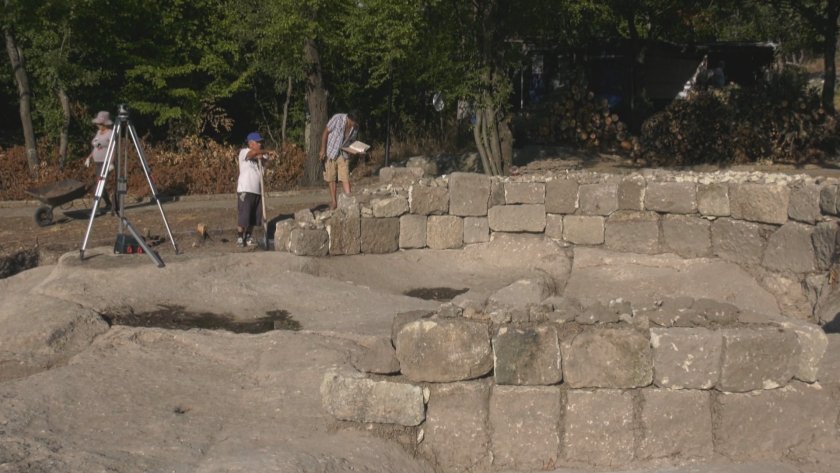
The newly discovered rotunda-shaped mausoleum measures eight metres in diameter, has a perfectly circular plan and features an elaborately decorated stone entrance facing east. With this latest find, the number of circular tombs dating from the 3rd to 5th centuries AD discovered over the past six years has risen to eleven. All are arranged in an amphitheatre-like formation along the main road leading to the acropolis of Perperikon.
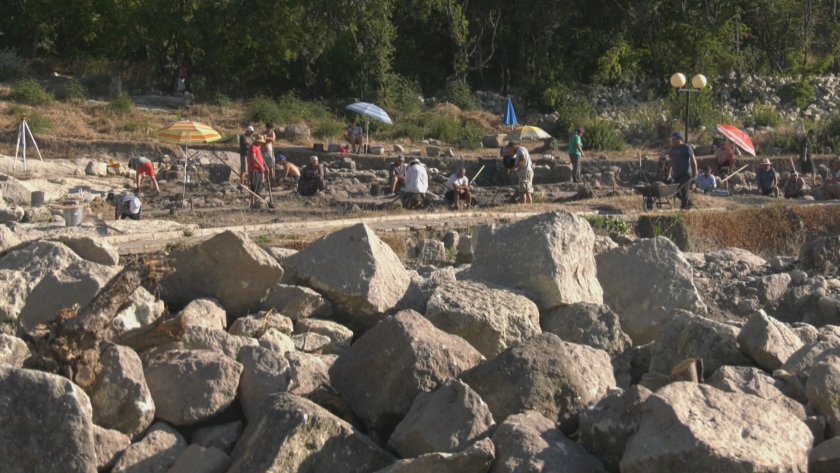
Prof. Nikolay Ovcharov, head of the Perperikon archaeological expedition: "A necropolis with such a concentration of circular mausoleums from the Late Roman period is, to my knowledge, without parallel anywhere in the Roman world. There was clearly a preference here for the circular form, which I associate—perhaps somewhat hypothetically—with the Temple of Dionysus, which is also believed to have been circular."
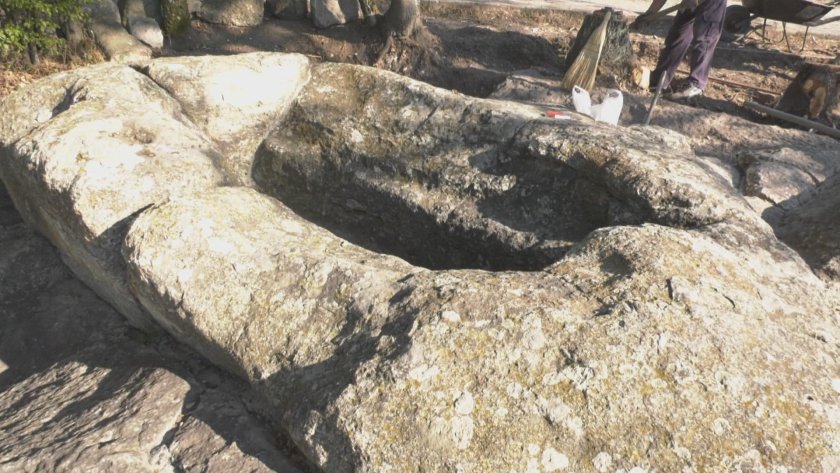
Near the newly discovered mausoleum, archaeologists came across two tombs situated atop a rock that centuries ago rose above the surface. They bear a striking resemblance to the rock-cut tomb of Orpheus near the village of Tatul. The excavation of the site is expected to be completed within the next few days and may provide evidence that the necropolis was already regarded as a sacred place long before the construction of the Egyptian pyramids.
'City of the Hobbits' and War Projectiles Among the Latest Discoveries at the Ancient Thracian City of Perperikon
***
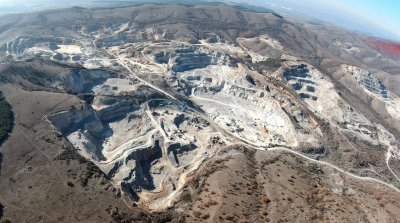
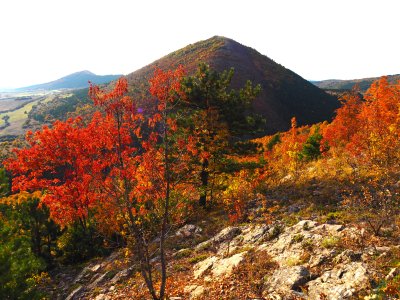
The ancient Thracian city of Perperikon is located in the Eastern Rhodope mountains, Southerm Bulgaria, 15 km northeast of the present-day town of Kardzhali, on a 470 m high rocky hill, which is thought to have been a sacred place.
Perperikon is the largest megalith ensemble site in the Balkans.
As an archaeological site, Perperikon is an 8,000-year-old prehistoric megalithic shrine, which was later built upon by the Thracians, the Romans, the Byzantines, and the medieval Bulgarian Empire.







 Чуй новините
 Подкаст