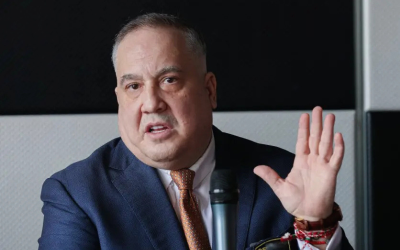
A request by Sofia District Heating for an almost 29% increase in heating prices from 1 July has sparked public concern. However, experts say such proposals are not indicative of what consumers will ultimately pay. The issue was discussed on the morning programme Denyat zapochva (The Day Begins) by Kremen Georgiev, Chair of the Association of District Heating Companies, who stressed that the pricing process is subject to strict regulation.
Georgiev was adamant that the requested increase does not equate to an actual price rise:
“Each district heating company submits an application outlining its costs, and a price is then determined. Whether they are satisfied with it is not their decision. The Energy and Water Regulatory Commission reviews these costs over three months, cuts what it considers excessive, removes unrecognised expenses, and ultimately sets a completely different price.”
He underlined that final figures often bear little resemblance to the initial requests:
“The 30% currently being discussed may not remain at all. These figures are not particularly meaningful – such applications are submitted every year, and the end result is different. So consumers have no reason for concern.”
The key factor that could influence prices remains natural gas:
“The situation with forecasting gas prices at the moment is extremely difficult. I would not rely on any precise predictions. There is still time until 1 July – April, May and June – and we hope the situation will stabilise.”
According to him, this will be decisive for the final price:
“The only factor that could lead to a significant increase is the price of gas. If it remains high, this will be reflected in the cost of heating.”
The issue of Sofia District Heating’s liabilities, which exceed €1 billion, remains serious but does not directly affect pricing:
“This debt cannot be included in the pricing mechanism. Certain costs are not recognised – for example, legal expenses. If high prices were meant to cover debts, we would be talking not about 30%, but about 300%.”
Georgiev said the accumulation of debt is the result of a lack of modernisation:
“In Sofia District Heating, investments were not made as they were in other cities over the past 20 years. In Pleven, Vratsa, Ruse, Sliven and Pernik, facilities have been built that produce both heat and electricity – this is what sustains these companies.”
He clarified that repairs should not be confused with modernisation:
“Replacing pipes is not modernisation – it simply prevents leaks. Real modernisation lies in production – new facilities that generate both electricity and heat.”
The capital’s utility is also the largest consumer of natural gas:
“Around one third of the country’s gas is used by Sofia District Heating. Other companies consume less, and some operate using alternative fuels.”
On the question of possible state support, Mr Georgiev was clear:
“I would not say the sector needs subsidies. It simply needs to be allowed to operate under normal conditions. Any support ultimately comes from the public, in one way or another.”
Overall, the heating season has passed without major issues outside the capital:
“In most district heating companies, the season went smoothly. There have been outages, but they are usually resolved within a day. The law allows up to 48 hours, but that is more of an upper limit.”
If any increase remains in line with inflation, it would be considered normal. However, everything depends on gas prices – if they rise sharply, there will be a more significant impact on heating costs, Mr Georgiev concluded.







 Чуй новините
 Подкаст