Archaeological discoveries continue to add to our knowledge of the rich history of the lands that are now Bulgaria. Long tunnels have surprised archaeologists beneath the foundations of the Roman baths at Ratiaria, near Vidin. During attacks by Attila and his Huns, they were also used as shelters. But why were the underground channels built?
One of the most intriguing stages in the excavation of the magnificent ancient city of Ratiaria is now taking archaeologists underground.
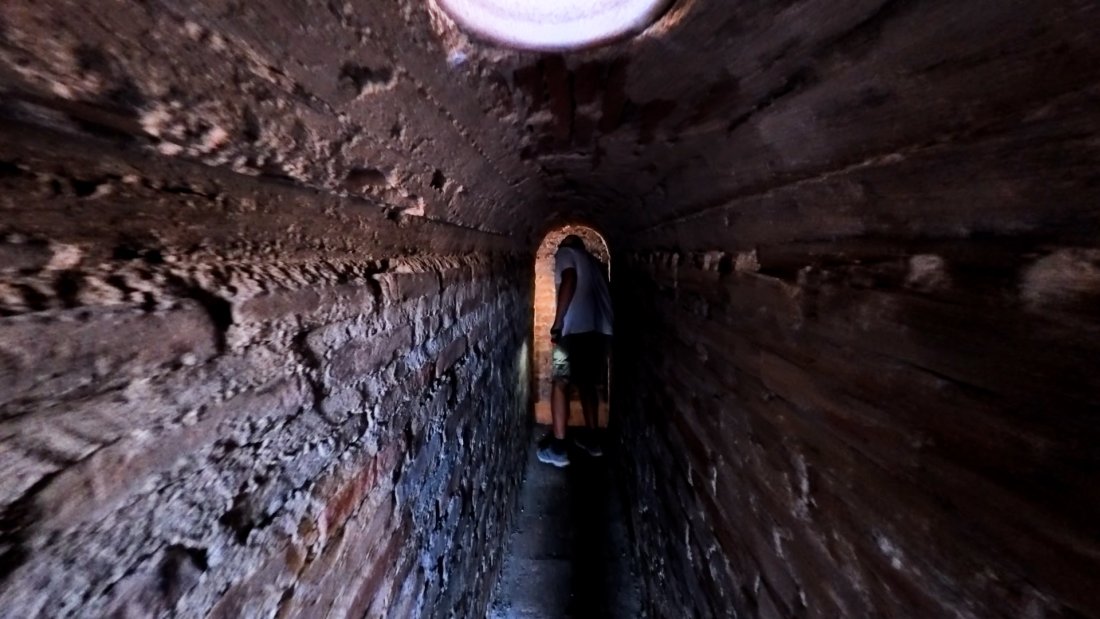
Assoc. Prof. Dr. Zdravko Dimitrov, head of the archaeological excavations: "We have now covered more than 60 metres since June. We have uncovered three galleries, and the main aim is to document them as architectural structures. You can see here how well preserved the edges are, with the mortar plastering. They were plastered with mortar.”
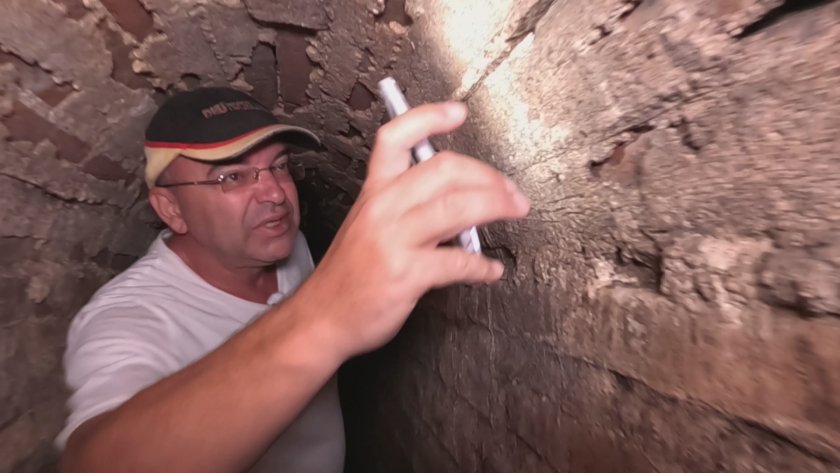
There is no mystery surrounding these tunnels. Their purpose quickly becomes clear: they were part of a drainage system. But they are another indication of the scale and grandeur of the site. The fact that the channels are so large speaks to the scale of the baths. The channels were built into the foundations of the load-bearing walls of the baths. Their purpose was to carry away water from the roofs of the bathing complex.
- “So, ancient Roman gutters?”
Assoc. Prof. Dr. Zdravko Dimitrov, head of the archaeological excavations: “Yes. And the floor of the channel is in the foundations of the wall itself. The wall is not only load-bearing; it also serves to collect and drain rainwater.”
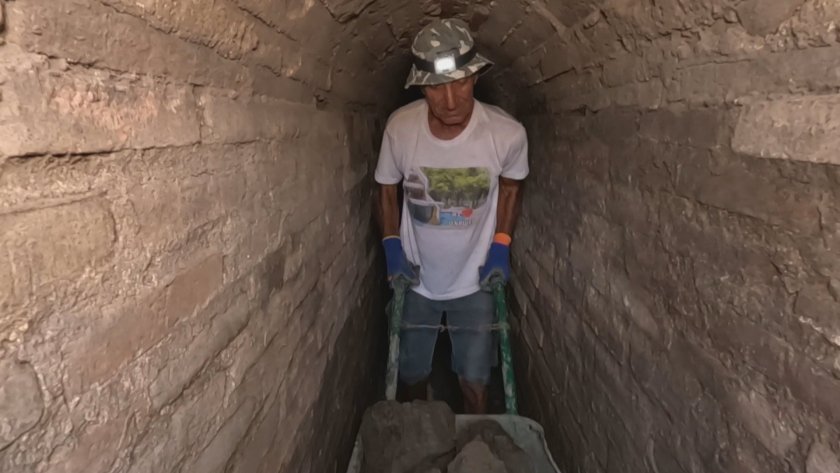
The size of the channel itself also gives an indication of the scale of the Roman baths.
Assoc. Prof. Dr. Zdravko Dimitrov, head of the archaeological excavations: “As you know, these are the largest baths in Bulgaria, covering 10 decares. These vaulted structures above us, the semi-cylindrical domes of the central wing – overall, they carried a large volume of water that had to be drained into Ratiaria’s channels, and practically all the walls of the baths have channels like these.”
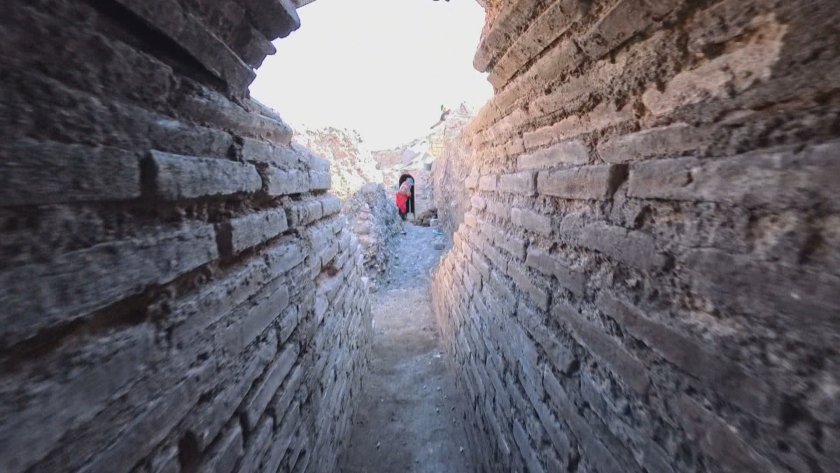
Built around AD 215, almost immediately after the Baths of Caracalla in Rome, the baths at Ratiaria were modelled on them both in scale and architecture. As a Roman colony, Ratiaria was expected to follow the example of the empire’s capital.
Assoc. Prof. Dr Zdravko Dimitrov, head of the archaeological excavations: “What we are standing on now is the later reconstruction from the fifth and sixth centuries, when these pools were no longer in use, because this was no longer a bathhouse. It was an early Christian religious complex, and they filled the pools with stones and this yellow clay soil, packed with what is beneath us – the floor level of the fifth-century basilica.”
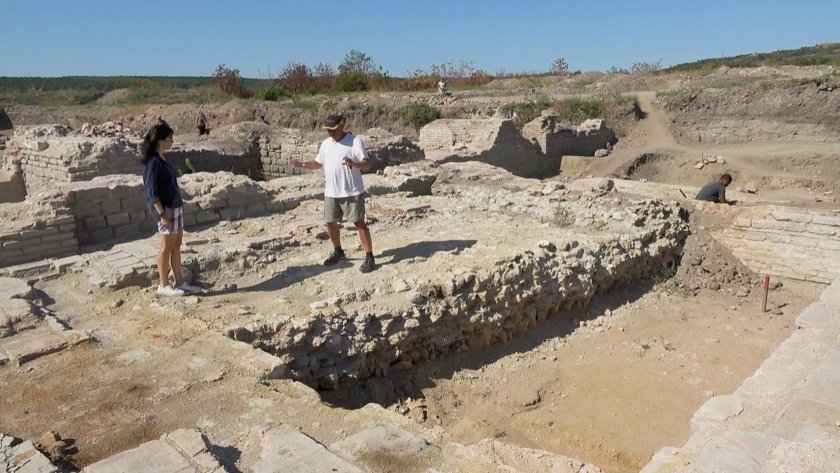
The baths were deliberately demolished after Emperor Theodosius the Great imposed Christianity throughout the empire. The new religion was incompatible with the lifestyle associated with the Roman bathhouse, which was razed to the ground. Its stones and columns, however, were incorporated into the Christian basilica built on the same site.








 Чуй новините
 Подкаст