Parliament has ratified at first and second reading, during a single sitting, the Treaty establishing the European Stability Mechanism (ESM) and its annexes.
A total of 189 MPs voted in favour — from Progressive Bulgaria, GERB–UDF, Movement for Rights and Freedoms, Democratic Bulgaria and we Continue the Change. Ten MPs from the Vazrazhdane parliamentary group voted against.
The bill aims to secure Bulgaria’s accession to the European Stability Mechanism, according to the accompanying explanatory memorandum.
The treaty provides that all euro area member states become members of the Mechanism following the entry into force of a Council of the European Union decision on the adoption of the euro by the respective country, the report of the ad hoc budget committee notes.
The European Stability Mechanism was created to ensure additional financial stability within the European Monetary Union. It fulfils this purpose by providing loans, technical assistance and expertise to eurozone member states.
The loans are low-interest and offered on more favourable terms than those of international financial institutions, on condition that countries implement reforms and pursue prudent fiscal policies.
The ESM is financed through issuing bonds on financial markets, which provide the funds for lending to beneficiary states. The Mechanism has a subscribed capital of €709 billion, with member states contributing only part of this amount.
Following Bulgaria’s accession, the European Stability Mechanism (ESM) will have a subscribed capital of €714.7 billion, of which €81.7 billion is actually paid-in capital.
As Bulgaria’s GDP per capita is below 75% of the EU average, the country benefits from a temporary correction mechanism for a period of 12 years, resulting in lower contributions to the ESM’s paid-in capital.
As a result, Bulgaria’s initial paid-in capital amounts to €603.21 million, to be paid in five equal annual instalments of €120.64 million.
In return for this initial contribution, Bulgaria will be allocated an initial subscribed capital share in the ESM of €5.28 billion. No additional payments are foreseen for Bulgaria over the following seven years.
After the expiry of the transitional correction period in 2038, Bulgaria will make a one-off additional payment of €388.69 million, bringing its total subscribed capital to €8.68 billion, of which €991.9 million will be paid-in capital.
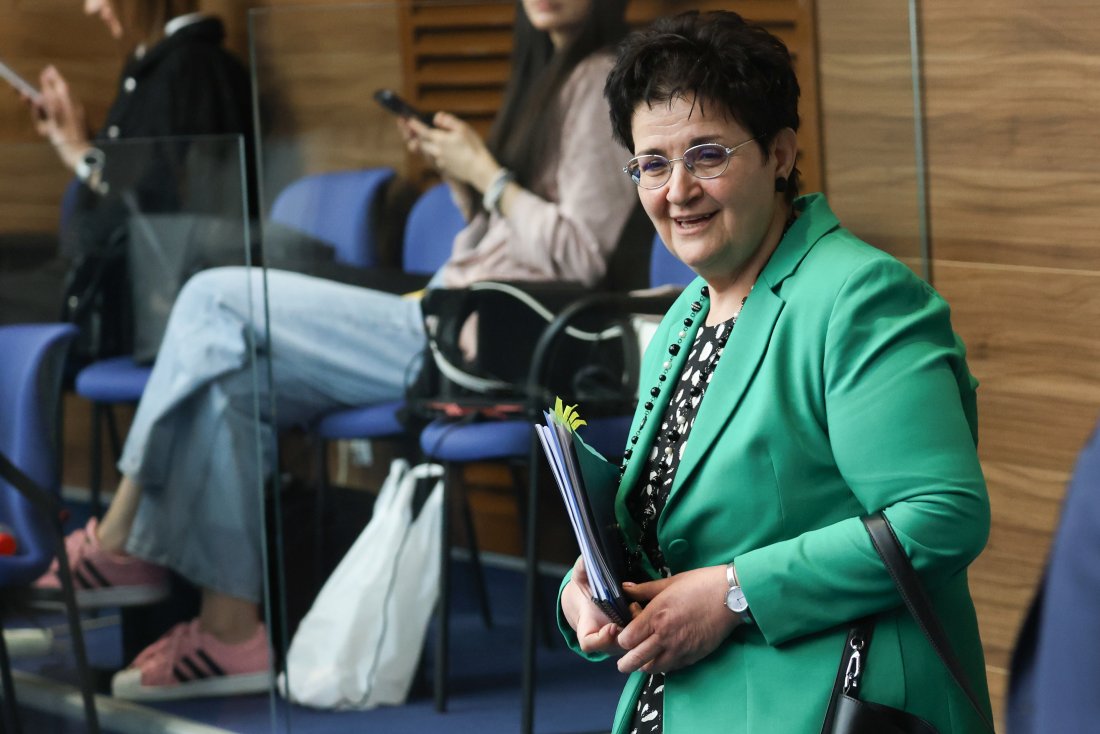
Deputy Finance Minister Ludmila Petkova explained that decisions to provide support to a state in default are taken with the explicit consent of all member states of the Mechanism, meaning that no decision can be adopted without Bulgaria’s vote.
She added that, under an emergency procedure, decisions are taken with 85% of the votes.
According to Ms Petkova, Bulgaria’s participation in the Mechanism will also provide access to financial assistance in the event of acute funding needs, which would bring both direct and indirect economic benefits.


 'We Continue the Change': The Election Results Are a Clear Signal from Citizens that the Government’s Policies Are Not Good for Bulgaria
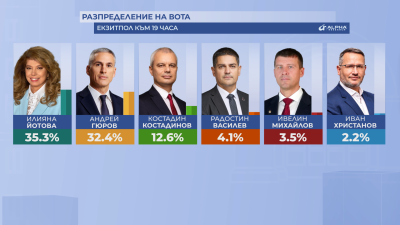
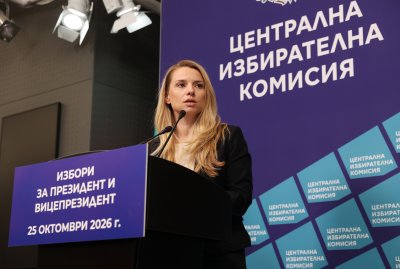
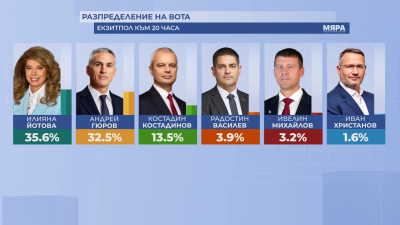
 Central Election Commission: With 7.37% of Polling Station Protocols Processed, Iotova and Gyurov Head to a Run-off in Presidential Election on 1 November
 Iliana Iotova: It Is an Illusion to Think That We Can Bring About Change in the Country by Not Voting
 Илияна Йотова: Илюзия е, че ако не се гласува, можем да извършим промяна в страната
 Историческа победа за студентите, Вучич призна загубата си на парламентарните избори в Сърбия








 Чуй новините
 Подкаст