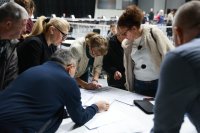
Bulgaria’s new government has been sworn in before the 52nd National Assembly on May 8. Rising prices, inflation, reform of the Supreme Judicial Council (SJC), and securing funds under the Recovery and Resilience Plan are among the priorities outlined by the newly elected Prime Minister. Rumen Radev has already signalled that, as early as Monday, he will propose the necessary legislative measures aimed at bringing prices under control.
How has the opposition reacted? And will the new governing majority be granted the traditional 100 days of political tolerance?
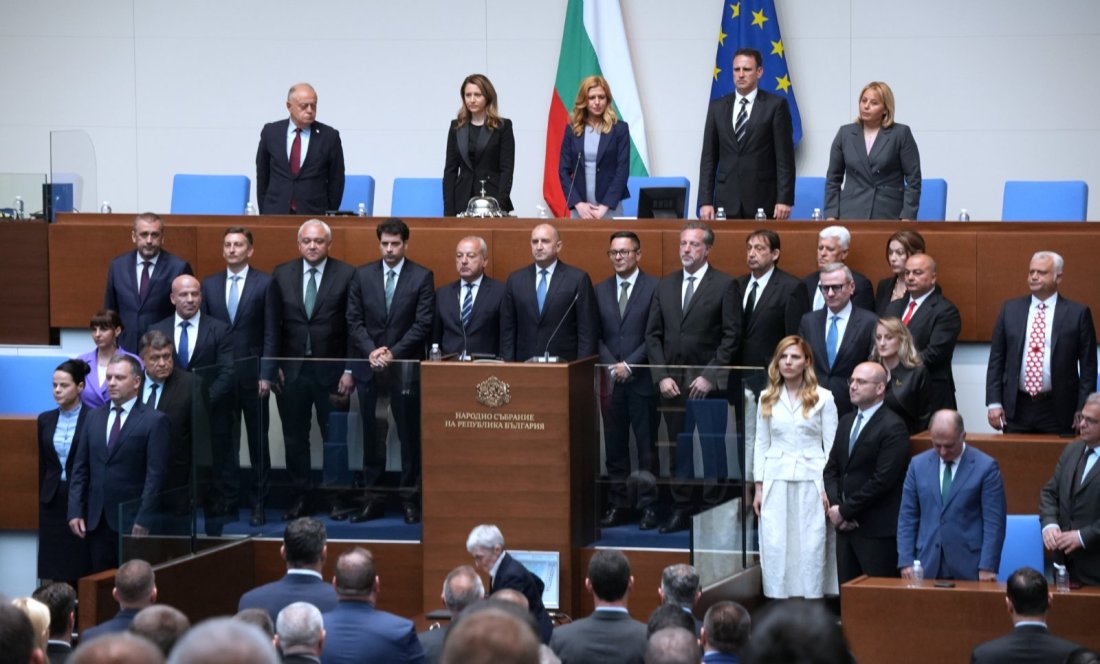
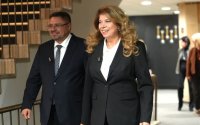
Bulgaria now has its 107th government. Eighteen days after the latest snap parliamentary elections, Rumen Radev and 18 ministers took the oath of office before MPs in the 52nd National Assembly.
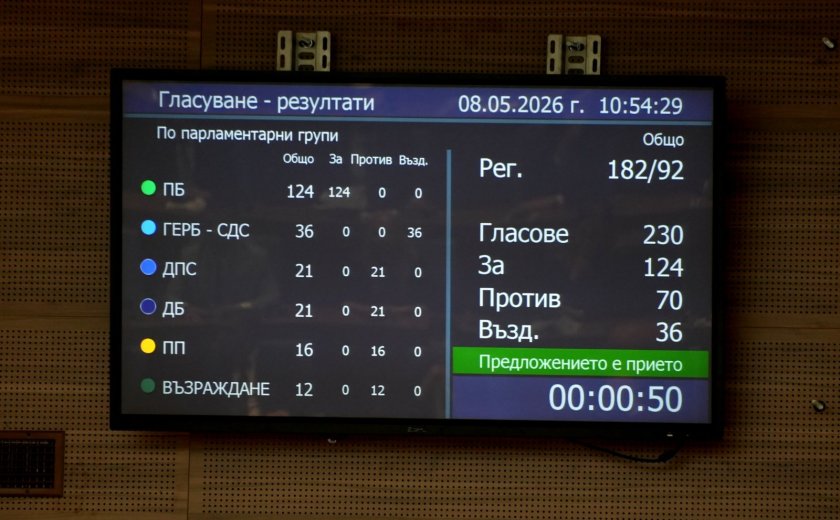
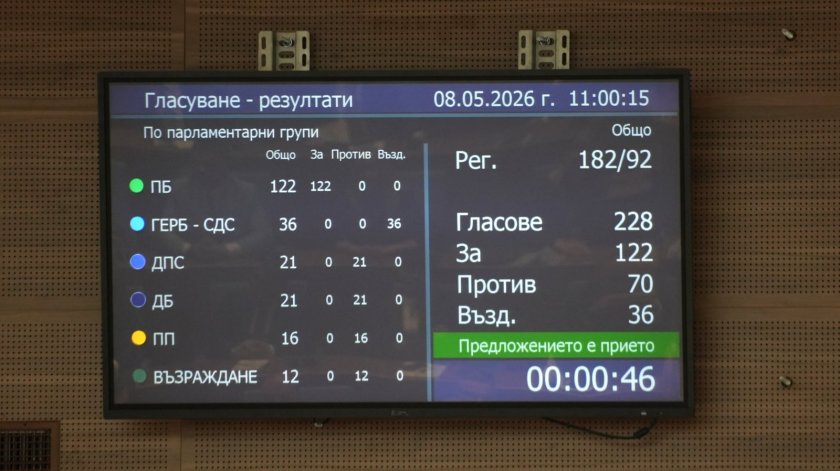
The prime minister himself was elected with 124 votes in favour, while the composition of his cabinet received the backing of 122 MPs.
At the very outset, the Prime Minister outlined his key priorities. On Monday, a draft law aimed at curbing soaring prices will be submitted to the National Assembly.
Another bill proposes amendments to the Judiciary Act, with the argument that the necessary legislative changes must first be adopted before reforms to the Supreme Judicial Council (SJC) and its Inspectorate can take place.
Rumen Radev also said that Bulgaria could not afford to lose the funds under the Recovery and Resilience Plan, and that securing them would therefore become a priority.
photos by Dessislava Kulelieva, BNT
Rumen Radev, elected Prime Minister of the Republic of Bulgaria:
“We have no illusions about the crises and challenges facing this government—soaring prices, record inflation and deficit levels, looming major budgetary problems, a lack of reforms, a severe global economic and energy crisis, and escalating conflicts.
“Among the principal goals of our political force are the accelerated development and modernisation of the country, and guaranteeing the security and prosperity of Bulgarian citizens. In pursuit of these goals, we will work to dismantle the oligarchic model that has captured the state and to restore justice.
“In this regard, we will adhere to our comprehensive programme aimed at eliminating oligarchic control over state governance and the media, cutting off access to public resources and ending pressure and extortion against businesses, while upholding the rule of law.”
During the parliamentary debate on the structure and composition of the government, it became clear that the opposition is unlikely to grant the new administration the customary 100 days of political tolerance.43
During the debate and plenary on the structure and composition of the government, it became clear that the opposition is unlikely to give 100 days of tolerance.
Toma Bikov, GERB–UDF:
“We will not support this cabinet, but we will abstain, and I will explain why. We are abstaining rather than voting against because, first and foremost, as we have always said, we respect the vote of the Bulgarian people, regardless of its outcome or direction.”
Dzhevdet Chakarov, Movement for Rights and Freedoms:
“I wish you a pleasant day. We will now discuss the matter within our parliamentary group and you will have our position afterwards.”
Ivaylo Mirchev, Democratic Bulgaria:
“Does this model look worried today, Mr Radev? In the front row sits Peevski. He is looking exactly the same as before—with the same confidence. On the right, the representatives of the Supreme Judicial Council are looking exactly the same as before, just as subordinate as they were previously.”
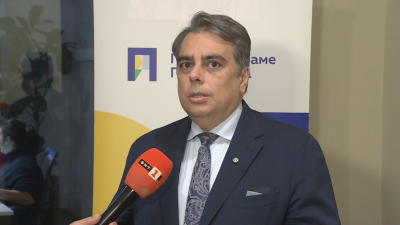
Asen Vasilev, leader of We Continue the Change:
“What we are seeing so far is that the dismantling of this model is, at this stage, being postponed. We hope not for long. There are two paths before you, and I hope you choose the one that leads to the good of Bulgaria and to stable governance.”
Kostadin Kostadinov, leader of Vazrazhdane:
“Vazrazhdane will, of course, not support this cabinet because we have ideological differences. We want Bulgaria to be a sovereign and independent state. We want to retain our own currency. We want a strong national economy, and we want Bulgarian citizens to return to Bulgaria rather than emigrate.”
Only MRF did not join the debate in the plenary.







 Чуй новините
 Подкаст