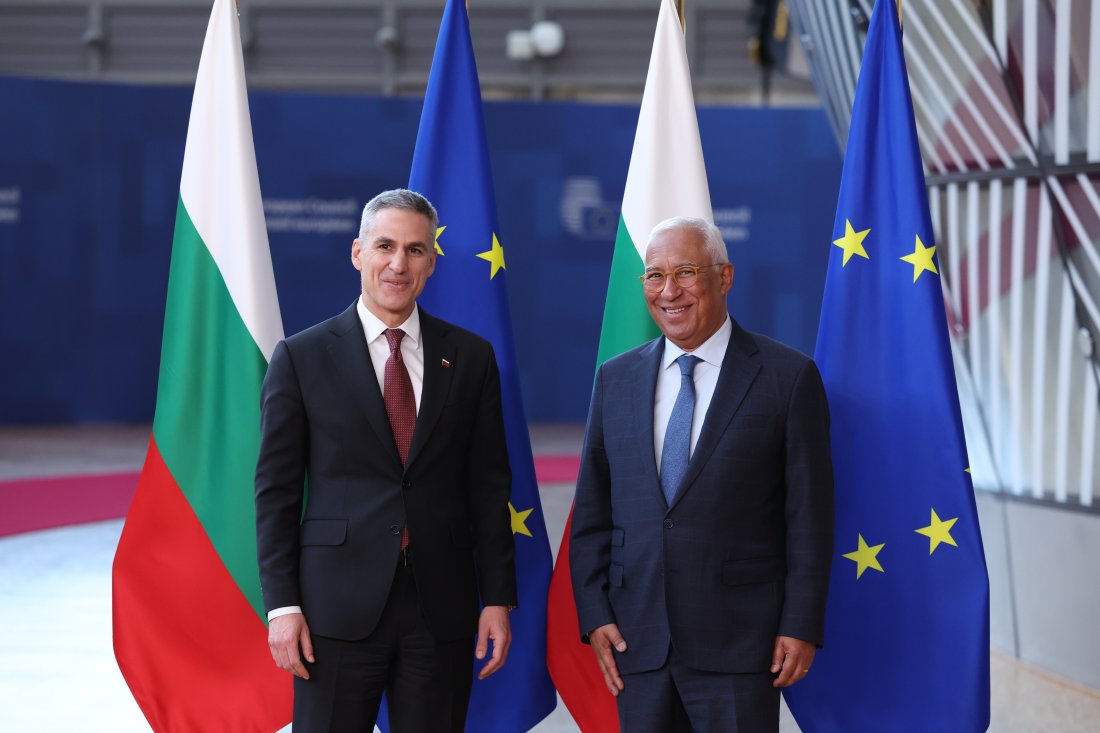
In Brussels, the agenda of the European Union leaders’ summit was reshaped by soaring energy costs. Discussions were dominated by international crises and internal EU divisions. Several countries opposed Bulgaria and nine other member states’ call for a comprehensive review of the EU Emissions Trading System as a way to curb high bills. Also in focus was the €90 billion loan for Ukraine, currently blocked by Hungary.
One of the most contentious debates at today’s summit centred on how Europe should respond to the energy price shocks triggered by the war in Iran. EU leaders agreed on the need for urgent action to prevent uncontrolled price rises. They also concurred that a long-term transition to green, European energy sources would ultimately resolve the volatility associated with imported fossil fuel costs.
However, governments remain divided over how to reduce prices in the short term and who should take responsibility for doing so.
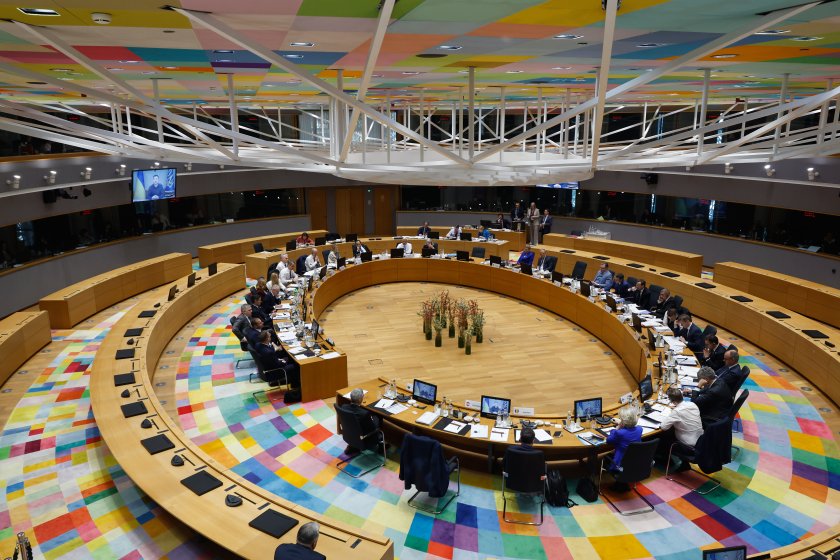
European countries remain split over the short-term measures Brussels should propose to ease soaring energy costs. Bulgaria, alongside nine other nations including Italy, Poland, Hungary and Greece, is calling for a reform of the carbon emissions trading system. The current framework envisages a complete phase-out of free industrial quotas by 2034 as part of efforts to tackle climate change. The ten countries are seeking a reconsideration of this deadline and even a temporary suspension of emissions trading. A counter-coalition of Nordic states and the Netherlands has warned that such moves would undermine the energy transition and the shift away from fossil fuels.
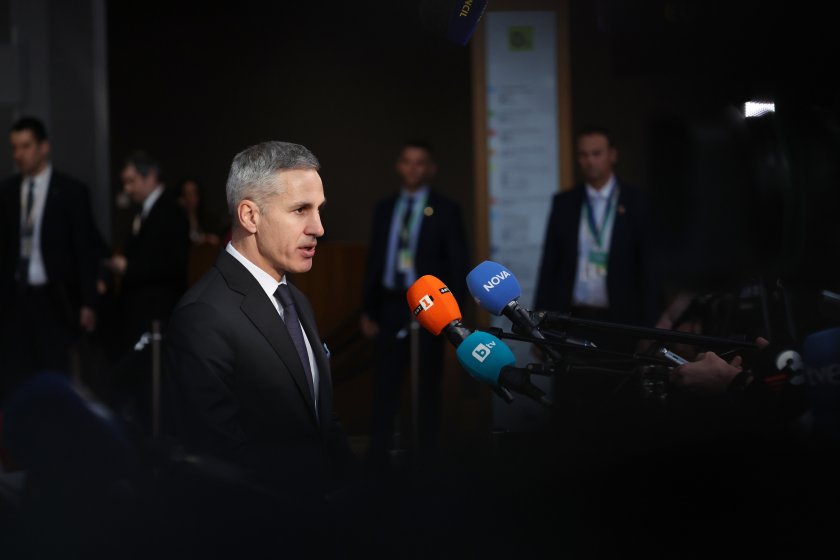
Caretaker Prime Minister Andrey Gyurov highlighted measures by the caretaker government aimed at supporting the most vulnerable amid rising fuel costs.
Andrey Gyurov: “As you know, in this situation the prices of petroleum products continue to rise. No country can fully meet these challenges on its own. But what we are doing, and what has always been the goal of the caretaker government, is to focus very specifically on the most vulnerable groups, so that funds reach these people as quickly as possible.”
Europe is again calling for de-escalation in the Middle East and pledging aid to the region if fighting ceases.
Friedrich Merz said: “We can and will intervene in the region, but only once the guns fall silent. At this moment, we are in close contact not only with Israel but also with the states of the Persian Gulf. We can do a great deal, including ensuring that maritime routes are opened and kept free. But we will not take such action while military operations continue.”
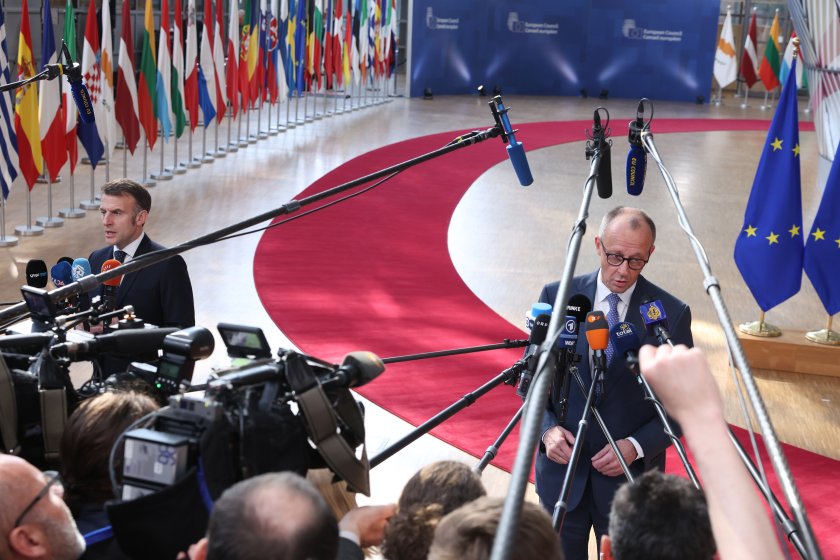
European leaders, joined virtually by Ukrainian President Volodymyr Zelensky, were unable to persuade Hungarian Prime Minister Viktor Orbán to lift his veto on the €90 billion loan for Kyiv.
Orbán and his Slovenian counterpart, Robert Fico, have signalled they will only reconsider their position once Russian oil resumes flowing to their countries via the Družba pipeline.
Their stance has left Ukraine in a precarious financial situation and drew sharp criticism from other EU leaders.
Petteri Orpo, Prime Minister of Finland: “We need to understand who is benefiting from this chaos and the rising energy prices — it is Russia. They are the main winners. That is why it is necessary to maintain pressure on Russia and continue support for Ukraine. They are fighting for us every day.”
Viktor Orban, Prime Minister of Hungary: “This is a crucial issue; we are not talking about politics. It is a matter that is existential for Hungary — to secure our oil. Without it, all households and businesses in Hungary would face bankruptcy. This is no joke, no political game. Zelensky must understand that this is not a game.”
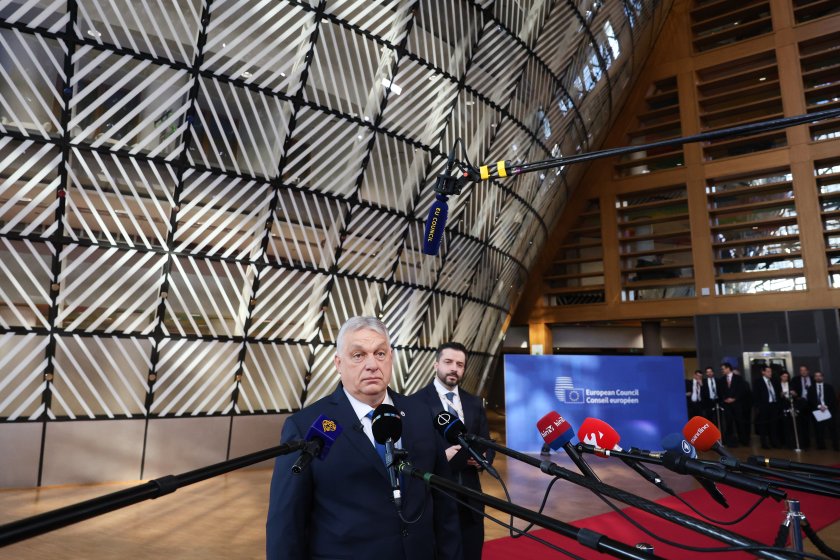
photos by BTA
Viktor Orban continues to block the EU’s 20th sanctions package against Russia, which Brussels had hoped to approve by the end of last month.





 Чуй новините
 Подкаст