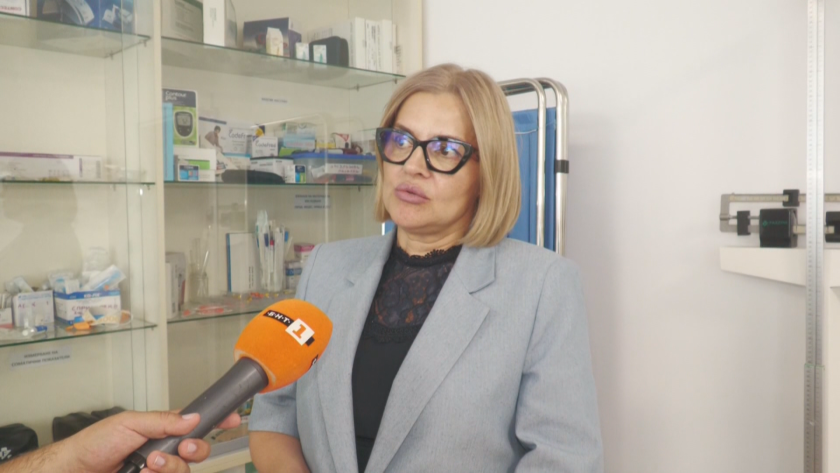


There is a critical shortage of nurses in Bulgaria. Over the past 35 years, their number has fallen by nearly half—from nearly 54,000 to just over 28,000. Statistics show that more than 76% of those working in the profession are aged over 45. The state is now increasing the number of places available and waiving tuition fees for future nurses, but the impact will not be felt for years. There is, however, one different example – Burgas. What is happening there to drive growing interest in the profession?
For Teodora, the decision was not made overnight. It was shaped by personal experiences and situations in her life that gradually led her towards one of the most essential professions in healthcare.

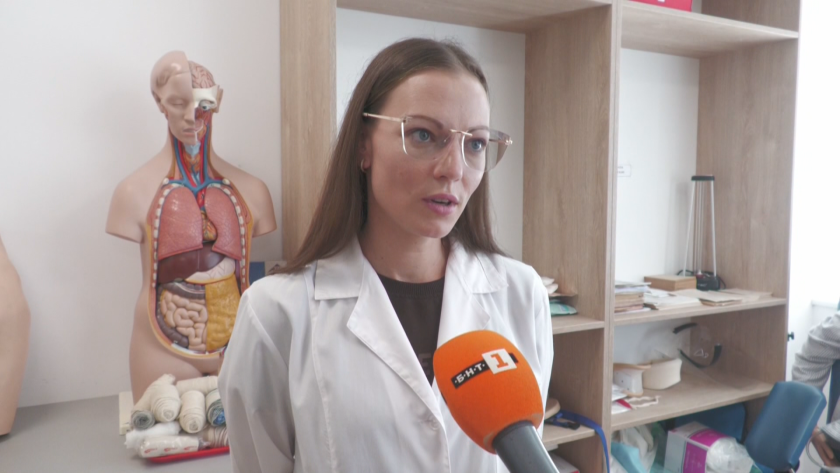
Teodora Frangina, a second-year nursing student: “Sometimes in life, a person does something before they have actually become qualified to do it. And so, in my life, I have helped sick people, which is why I decided to continue along this path.”
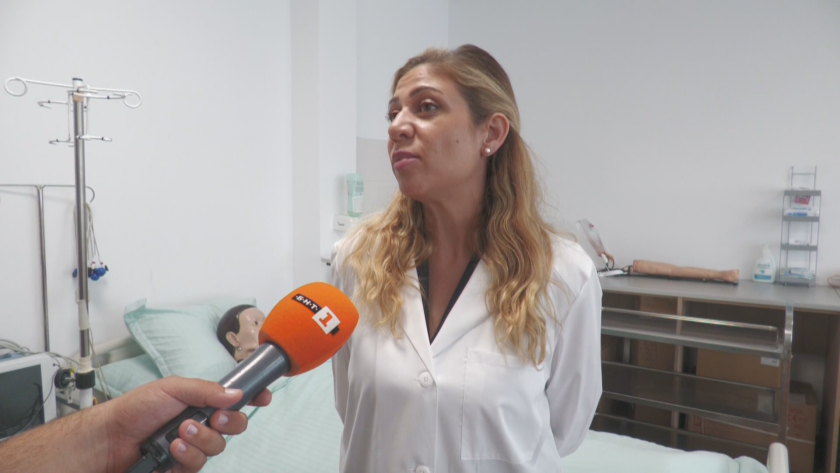
Stella Todorova, second-year nursing student: “The most difficult thing for me is experiencing the patients’ pain, the suffering that you can see in their eyes. But that is precisely our mission – to be there for them and to guide them, to show them that there is always a way out.”

For people with their training, vacancies are available throughout the healthcare system. That is why the journey from university to a first job is often a short one.
Assoc. Prof. Monika Obreykova, head of the Department of Health Care at Prof Dr Assen Zlatarov University: “What my experience shows me is that our students find work very quickly. Not to sound immodest, but yes, they all remain in the profession.”

Assoc. Prof. Pavel Dobrev, acting dean of the Faculty of Public Health and Health Care at Prof Dr Assen Zlatarov University: “There has been growth and I can say with 100% certainty that there is greater momentum in student admissions. There is growing interest in this demanding profession. There is no tuition fee for the course. Since 2025, it has been designated as a protected speciality.”

On BNT’s The Truth About... podcast, Prof. Nikolay Gabrovski, deputy director of Bulgaria’s largest emergency hospital, warns that free training is an incentive but not a solution to the staffing crisis.
Prof. Nikolay Gabrovski, deputy director for medical activities at Pirogov Hospital: “In Bulgaria, we have around 32,000–33,000 doctors. The normal ratio accepted in Europe requires us to have around twice as many nurses – nearly 65,000 nurses. And we have 22,000–23,000, so three times fewer.”

For this academic year, the state has provided a record 1,310 places at a total of 10 universities for prospective nurses. But even those starting their training now will not enter the healthcare system for at least four years. And while the new generation is being trained, the healthcare system must retain those already at patients’ bedsides.
Андрей Гюров и Георги Кандев се регистрираха в ЦИК за президентските избори