An Asian hacker platform and advice generated using artificial intelligence are believed to be behind a phishing scam involving fake SMS messages claiming unpaid traffic police fines, according to a report.
Tens of thousands of such messages have been sent in Bulgaria, authorities say.
Experts note that most of the fraudulent SMS messages are being distributed through chat applications rather than via mobile operators, which would otherwise be able to block them more effectively.
One victim, Teodora Todorova, said she was surprised she did not recognise the scam, despite having nearly 20 years of experience working in a pharmaceutical research company where phishing attempts were regularly monitored, and later working as a psychotherapist.
She said she received two messages. The first raised suspicion because it came from a non-Bulgarian number, which she ignored.
Teodora Todorova said: “After I received another SMS, which clearly stated that I should log in via the Ministry of Interior website. There was a link, a fine, and a discount if I paid earlier. I am usually very diligent, so I went in and started checking.”
She explained that she then transferred 40 euros from her bank account to the scammers.
In her case, the financial loss was limited to the fake fine she paid, as she had used an account that is typically kept empty. However, many other victims reportedly suffered greater losses after providing access to their main bank accounts, resulting in additional financial damage.
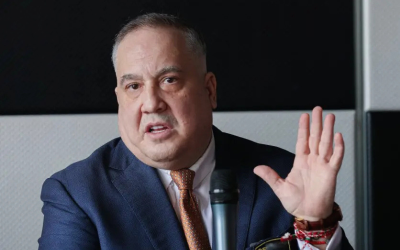
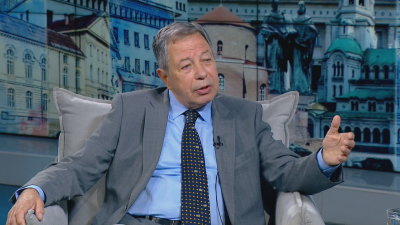
Vladimir Dimitrov, head of the Cybercrime Directorate at General Directorate for Combating Organised Crime (GDBOP):
“This allows fraudsters to add a bank card to a virtual wallet in order to pay for gold, expensive equipment, or to top up virtual wallets used for online casinos.”
Most of the fraudulent messages were sent via chat applications rather than through mobile operators, which are able to block phishing attempts more effectively. Investigators say the scammers used an Asian hacker platform, as well as guidance generated through artificial intelligence.
Nikolay Nikolaev, spokesperson for the Sofia District Prosecutor’s Office:
“The messages contain the names of a well-known journalist, police officers, and an employee of the Sofia District Prosecutor’s Office. The investigation is still at an early stage, and evidence concerning the involvement of additional individuals will also be examined.”
Authorities say the number of victims runs into the hundreds, with irreversible losses ranging from €300 to several thousand euros.
***
In recent days, hundreds of fraudulent messages sent via cloud-based services have been distributed in the name of the Ministry of Interior of Bulgaria, falsely informing recipients that they had violated traffic regulations and owed fines for speeding offences.
The messages urged users to open a link through which they could supposedly pay the electronic fine at a discounted rate.
Authorities have arrested two men, aged 30 and 35, in connection with the scheme.








 Чуй новините
 Подкаст