Astronomical spring officially began today, March 20, at 16:46, as the Sun crossed the vernal equinox point in the constellation Pisces. From now until 21 June, the Sun will climb higher in the Northern celestial hemisphere, shining more directly on the Northern Hemisphere of Earth, the Institute of Astronomy – Bulgarian Academy of Sciences reported.
At the moment of the equinox, the Sun lies precisely on the celestial equator. This is why day and night are nearly equal in length, giving rise to the term “equinox.” From 21 March onwards, daytime gradually increases, becoming longer than night.

This spring is expected to bring average seasonal temperatures around or slightly above the norm for March, April, and May. Rainfall is forecast to be near typical seasonal levels, with both rain and snow possible, as well as occasional cold spells—especially in the mountains. Snow is also expected in April, according to the National Institute of Meteorology and Hydrology.
Temperatures below the climate norm are expected between 6 and 13 April. The average April temperature in Sofia is normally around 10°C, but it is expected to be lower during this period. Despite this, daylight hours will be longer, and any cold spells may persist for several days.
April can also see daytime temperatures exceed 20°C, above the seasonal norm, explained meteorologist Anastasia Stoycheva. April is also known for high diurnal temperature ranges, meaning mornings can be near 0–2°C, while daytime highs can surpass 20°C.

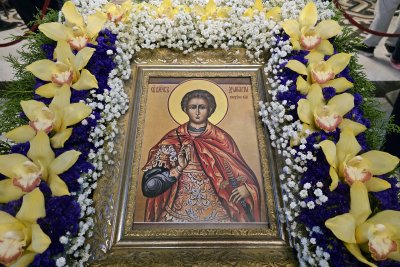
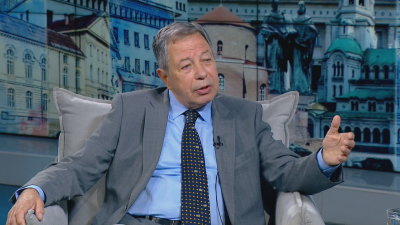
photos: illustrative
Daylight Saving Time
On 29 March (Sunday) at 03:00, Bulgaria will switch to daylight saving time, moving clocks forward by one hour.
Source: BTA







 Чуй новините
 Подкаст