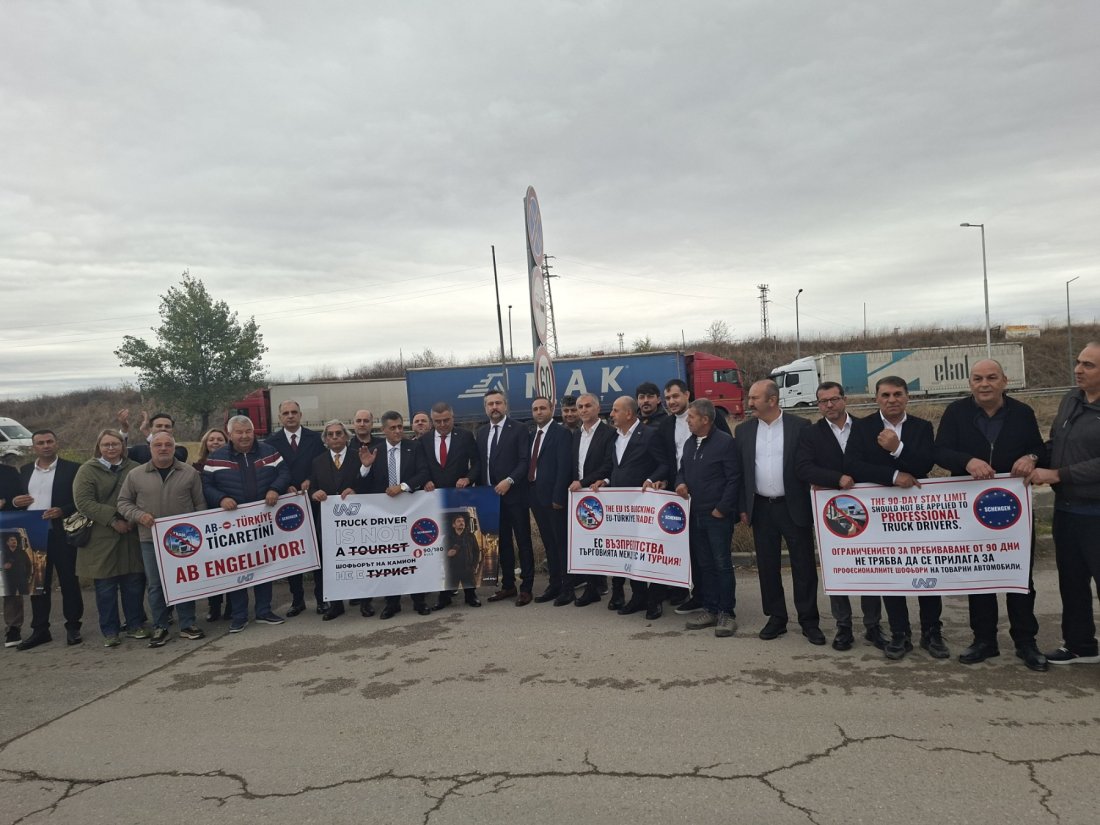
The European Union should change the rule limiting their stay in the Schengen Area to 90 days within any 180-day period.
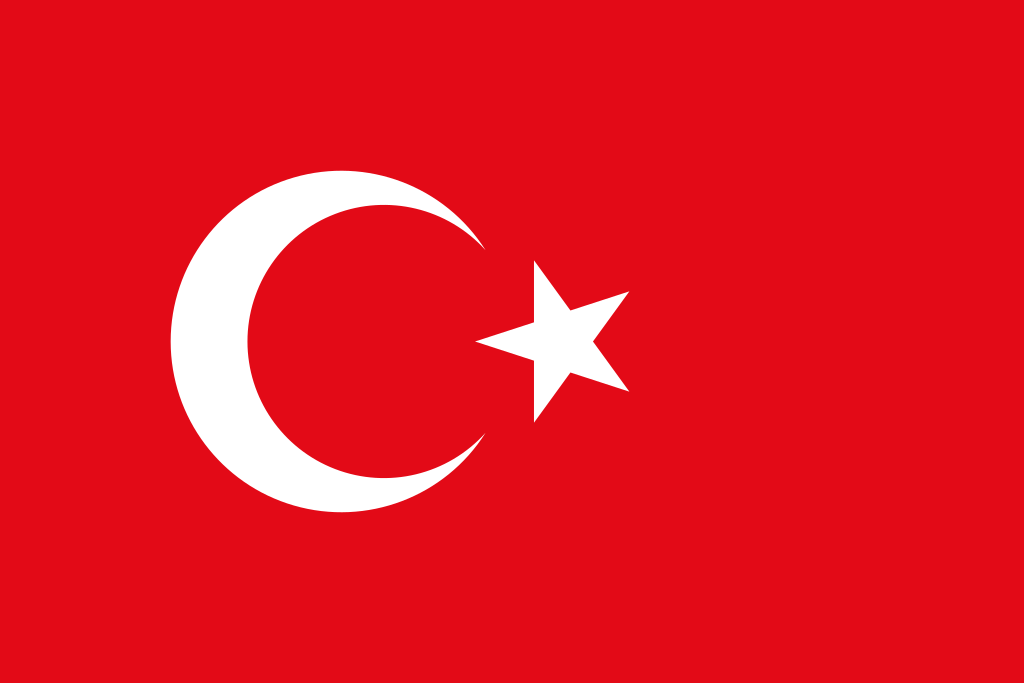
Turkish lorry drivers are making the demand. Due to the restrictions, around 6,000 lorries are unable to enter at the Kapıkule–Kapitan Andreevo and Hamzabeyli–Lesovo border crossings. The restriction dates back to 1995, but since the Entry/Exit System began operating in Bulgaria in April this year, drivers’ records have been cross-checked.
The drivers are calling for the opportunity to travel throughout the year, longer-term visas and a special regime that takes into account the specific nature of international road transport. They challenge the application of the general restriction to professional drivers who cross borders for work rather than tourism.
“We are here to make our drivers’ voices heard. They cannot cross the border because of the problem with counting the days,” said Şerafettin Aras, chairman of the Turkish International Transporters’ Association (UND).
Aras said the European market had expanded significantly since 1995, when Schengen comprised seven countries, while the stay limit had remained unchanged. According to him, 90 days are not enough to fulfil all transport contracts, particularly when there are lengthy waits at border crossings.
“Drivers are not tourists. They represent international transport. Bulgarian carriers support the fair demands of our colleagues from Turkey,” said Georgi Petarneichev, chairman of the Management Board of the Association of Bulgarian International Road Transport and Roads Companies.
“Professional drivers should not be treated as tourists, since their stay in European countries is related to the fulfilment of their work duties,” Petarneichev stressed.
The UND called on European institutions to find a swift solution, including by easing visa requirements and providing longer-term visas for professional drivers. Aras said the protest was not directed against any particular country, but aimed to secure a solution that would allow transport operators to work normally.
European Commission’s Autumn Forecast for Bulgaria: Higher Growth in 2026, but Slower Growth over the Following Two Years
Prime Minister Rumen Radev: 100% Increase in Foreign Direct Investment Shows Growing Confidence in Bulgaria
Minister of Economy Alexander Pulev: Bulgaria Is Now Among the EU's Top Five Countries In Terms of Economic Growth
След срещата в Шънджън: Путин не е наш приятел, нито някога ще бъде, заяви Доналд Туск
БНТ затвърждава лидерството си по обективност при отразяването на изборите