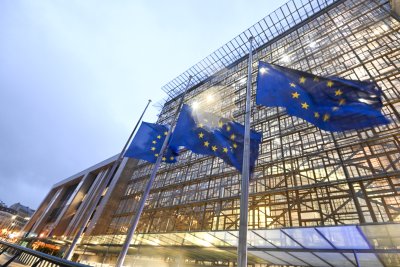
EU foreign ministers have approved new sanctions against 12 individuals and 101 legal entities in Russia. The measures are in response to Russia's indiscriminate attacks on Ukraine, particularly those targeting civilian infrastructure.
The latest sanctions list includes nearly 50 Russian banks and financial institutions. By progressively tightening and expanding sanctions against Russia's banking sector, the EU is cutting off financial channels through which state revenues flow and Russia's military efforts are funded.
The Council is also taking action against Russia's e-commerce sector. The latest package includes the sole owner of Russian retail giant Wildberries, as well as an individual who controls a majority stake in another major Russian e-commerce company, Ozon.
The Council is also adding other legal entities and businesspeople from the Russian oil and energy sector to the lists. The energy companies added today operate Russian oil refineries and the oil terminal in St. Petersburg, while also conducting exploration and production activities.
Finally, the Council is targeting Russia's so-called ‘shadow fleet’, listing a number of companies based in the United Arab Emirates, China, the Seychelles and Oman. These companies are buyers of Russian-origin crude oil and petroleum products. The list also includes businesspeople who own or operate vessels subject to EU restrictive measures. These ships illegally transport Russian oil while engaging in high-risk shipping operations.
Individuals and entities subject to this sanctions regime face an asset freeze. It is also prohibited to make funds or economic resources available to them, either directly or indirectly, or for their benefit. In addition, individuals named on the latest list are subject to a travel ban preventing them from entering EU territory.
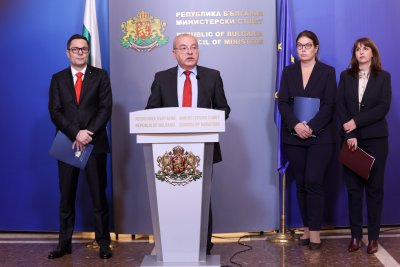
Earlier today, it emerged that Bulgaria had succeeded in securing the removal from the sanctions list of two Russian banks with Bulgarian owners. France had secured the removal of another bank, while Hungary had obtained an exemption for an oil company.
The banks Bulgaria had requested to be removed from the sanctions list are First Investment Bank, which has no connection with the Bulgarian bank of the same name, and Investment Corporate Bank, Velislava Petrova reported. Both are majority-owned by Bulgarian interests. The Russian First Investment Bank is owned by Starcom, a company belonging to businessmen Asen Hristov and Kiril Bosov of Eurohold, while Investment Corporate Bank is owned by Chimimport.
According to records held by the Central Bank of Russia, First Investment Bank AD is among the 300 largest banks in Russia by assets. Its head office is in Moscow. Some 92% of the bank's shares are owned by Starcom Holding AD, Bulgaria, belonging to businessmen Asen Hristov and Kiril Bosov.
The other bank that Bulgaria succeeded in securing the removal of from the sanctions list is owned by Chimimport. It is registered in Kazan, with Ivo Kamenov as its principal owner. Russian records describe Kamenov as one of Bulgaria's wealthiest businessmen and a key owner of the Chimimport holding company, which in turn owns the national carrier Bulgaria Air, several major airports, and banks and insurance companies in Bulgaria.
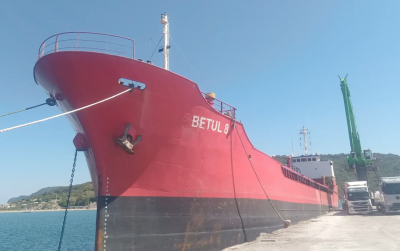
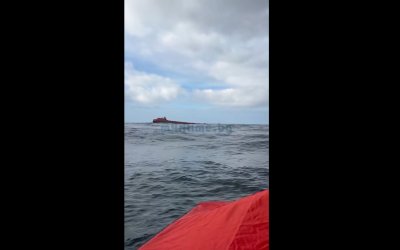
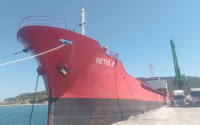
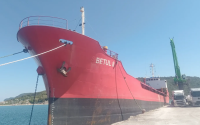
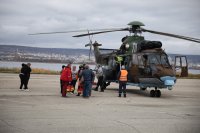
Всички 12 души от екипажа на товарния кораб BETUL 8 са успешно евакуирани (СНИМКИ)
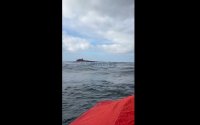
Вижте видео от потъването на кораба BETUL 8, ударен от дронове в българската икономическа зона на Черно море
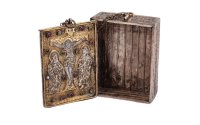
България си върна открадната мощехранителница от XVII век с дарителски надпис за Бачковския манастир