Cyberpsychology for life in the digital space
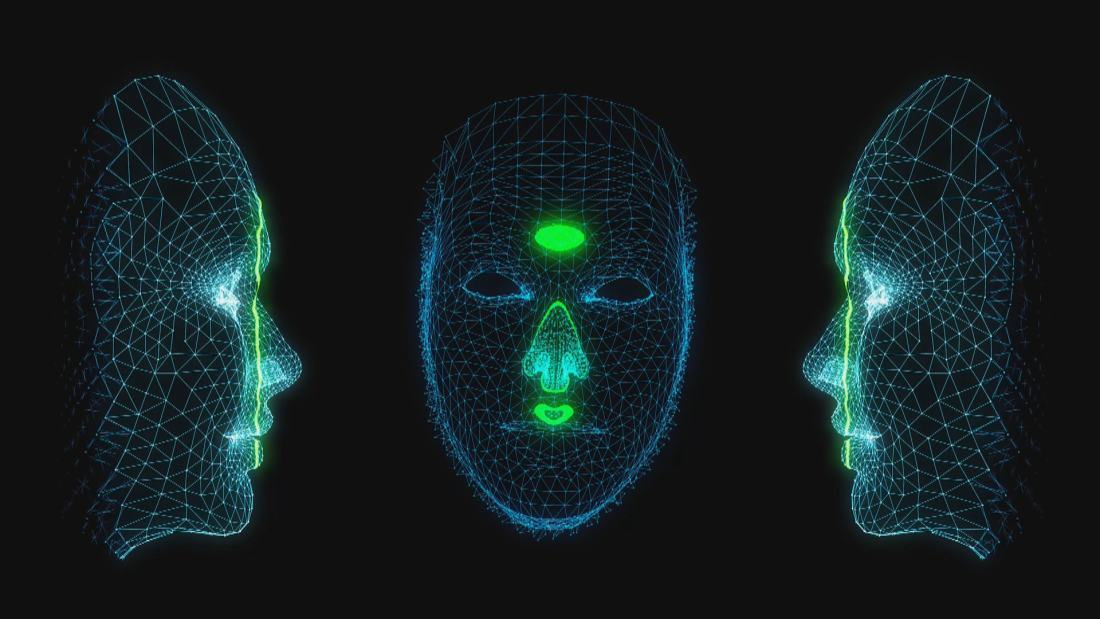
Digital reality and new technologies are presenting serious challenges to mental health in the modern era. This is giving rise to what some experts describe as a new branch of psychology – cyberpsychology.
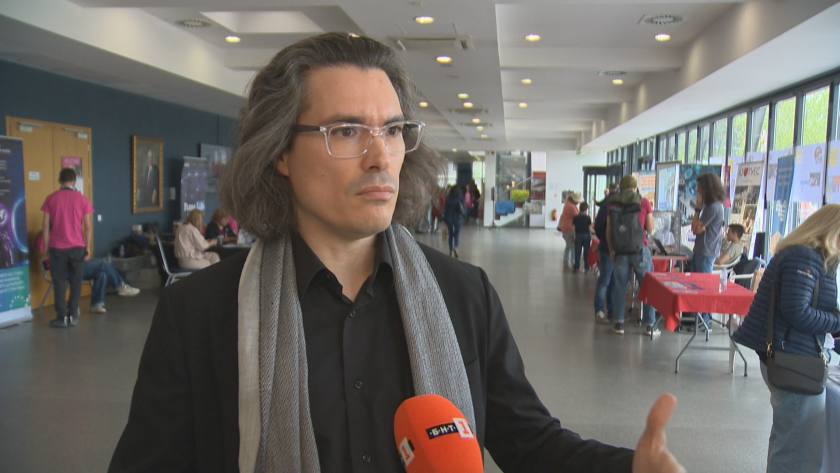
The view was expressed by researcher Frédéric Tordo, who studies emerging psychological conditions and recently visited Bulgaria to deliver a lecture at the Sofia Science Festival.
He said that human beings have always used technologies to make life easier, and have had to adapt and evolve alongside technological change since prehistoric times. However, he noted that the pace of change today is unprecedented and increasingly difficult for people to adapt to.
Frédéric Tordo, clinical psychologist and researcher:
“We are in the midst of very significant changes – changes in the world order, in Western civilisation, in the family, and in technology. Every day we are faced with innovations that shake us.”
This constantly shifting social order is described by psychologists as “liquid modernity”, in which individuals must continuously adapt to social instability — an environment in which achieving psychological balance becomes increasingly difficult. This is seen as particularly relevant for adolescents, who face changes in their bodies and personal development under the pressure of technology.
Frédéric Tordo, clinical psychologist and researcher:
“We are saturated with information, and this leads to stress. For example, one way of regulating this chronic stress is scrolling. It is, in a sense, a form of artificial dissociation, meaning that young people try to distance themselves a little from themselves, to release this artificial tension, by creating within themselves a state that is almost hypnotic. And this is a mechanism that effectively helps avoid this overload.”
But when does scrolling as a coping mechanism for stress become pathological and develop into addiction? The question may sound new, but it is in fact the old one – after how many “drinks” does return become extremely difficult?
Young people are increasingly building their identity in the virtual world, which is leading to the emergence of a new term – cyberpsychology.
Frédéric Tordo, clinical psychologist and researcher:
“Our world is no longer purely physical. Young people enter and live in a virtual reality every day, where they construct their identity. So we must understand the world as the sum of both material and virtual reality.
Adolescents can develop normally thanks to technology as well. It allows them to build relationships, to discover themselves, and it accelerates certain cognitive processes, while some games make their attention more flexible.
When teenagers are unable to cope with the challenges of the material world, they seek support in the virtual one. And there you can become a kind of ‘personal octopus’ – identifying with multiple virtual personalities or avatars.”
Phones are becoming part of our psyche. Psychologists therefore need to take into account the influence of social media as an environment that can blur the sense of identity and the boundaries of the ego, acting as a trap that draws people in through isolation, loneliness and deepening depression.


 Central Election Commission: With 7.37% of Polling Station Protocols Processed, Iotova and Gyurov Head to a Run-off in Presidential Election on 1 November
 Илияна Йотова: Илюзия е, че ако не се гласува, можем да извършим промяна в страната
 Историческа победа за студентите, Вучич призна загубата си на парламентарните избори в Сърбия










 Чуй новините
 Подкаст