Despite higher fuel prices, the National Revenue Agency (NRA) reports a 23.5% increase in quantities sold in March compared with February. The largest rise was in diesel price, up by 25.2%.
In April, however, diesel sales recorded the sharpest decline, falling by 10% compared with the final two weeks of March. Comparing the price of diesel yesterday with 28 February — the date marking the start of the war in Iran — the price has risen by 38.8%, according to the revenue agency.
Fuel prices have not yet reached their peak, while diesel consumption is already becoming more cautious. Economists, speaking on the programme “The Day Begins”, said the state should take measures to limit fuel consumption.
Support for high fuel prices is already being provided, with €20 payments transferred to the accounts of those who meet the eligibility criteria.
Experts recommend measures to reduce fuel consumption — such as free public transport in large cities — rather than state intervention in the fuel market. They also note that the government is currently operating under an extension law for the state budget.
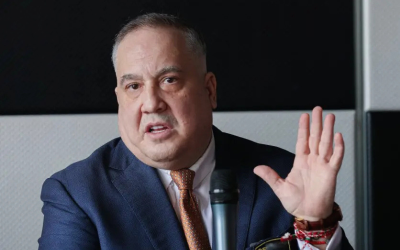
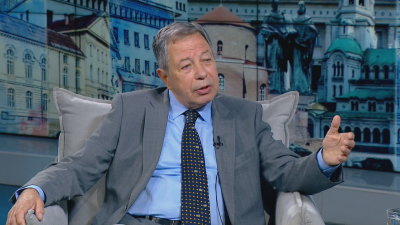
Martin Vladimirov, Director of the Energy and Climate Programme at the Centre for the Study of Democracy, said: “We should not intervene in fuel pricing. If we want to create a shortage, which is already emerging in certain EU countries, imposing a price cap would break the market very quickly. Secondly, VAT and excise duties should not be altered at this point, given that the budget balance will not hold. Consumption reduction should be encouraged.”
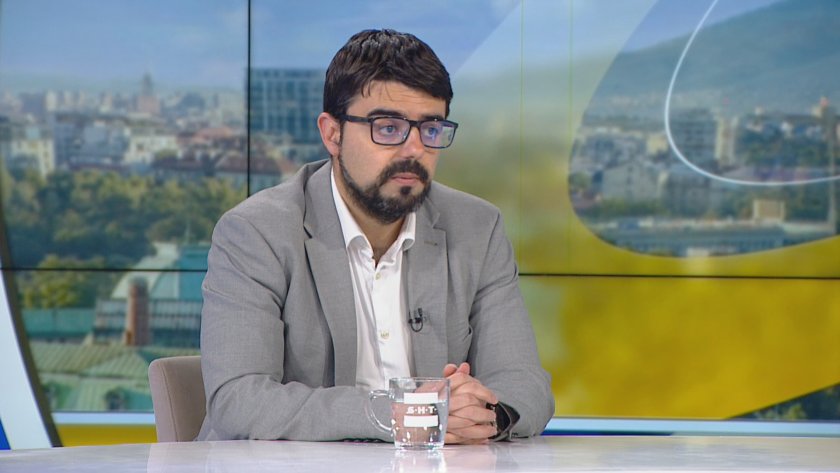
Experts say it is not the rise in fuel prices, but in electricity prices, that would have a real impact on the cost of food in Bulgaria.
Petar Ganev, senior researcher at the Institute for Market Economics: “In food prices, fuel has a much smaller weight. To see a price shock, we would have to talk about a surge in electricity prices. The entire chain would need to become more expensive, not just transport or production.”
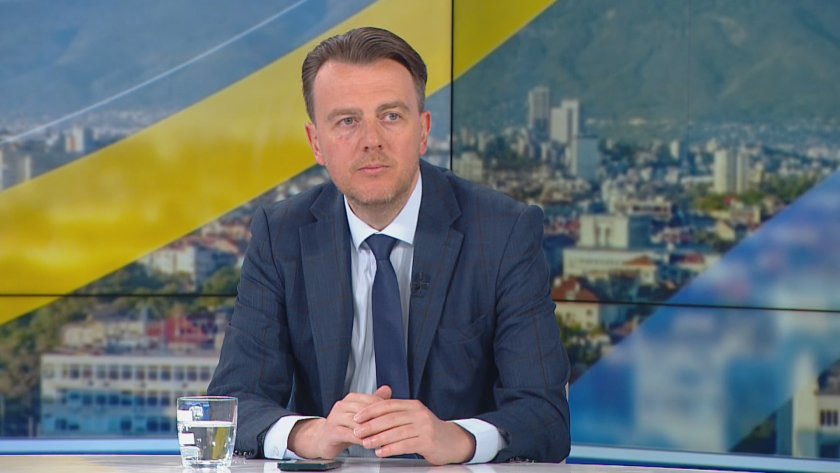
photos by BNT
A swift reopening of the Strait of Hormuz would normalise fuel prices no earlier than autumn, Vladimirov has forecast.
Martin Vladimirov, Director of the Energy and Climate Programme at the Centre for the Study of Democracy, said: “I believe we are heading towards €2 per litre for diesel. Petrol price increases will stabilise, but there is a shortage of diesel across the entire Mediterranean region.”
The state should also monitor economic indicators closely to detect early signs of a looming recession, Ganev recommended, particularly if oil prices exceed $150 per barrel.








 Чуй новините
 Подкаст