From proposals for changes to VAT and penalties to direct aid—what solutions are political parties discussing?
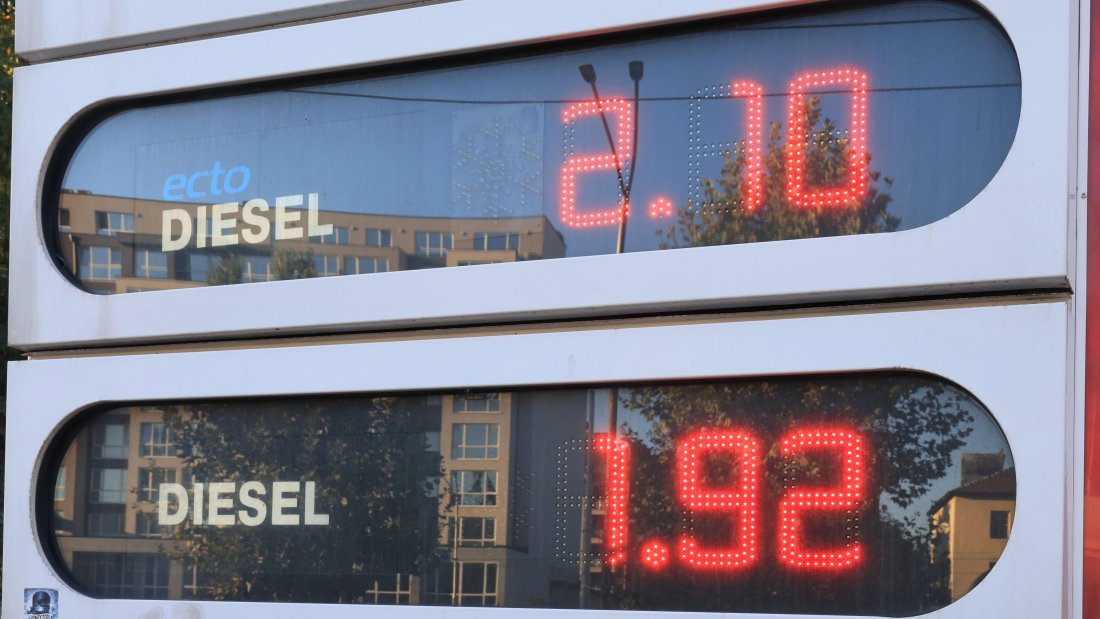
The continued sharp rise in fuel prices is in the spotlight for consumers and politicians. Petrol and diesel prices continue to rise, with forecasts pointing to a further increase in the coming days. The opposition again called for urgent measures today, while concrete proposals from the government are still awaited.
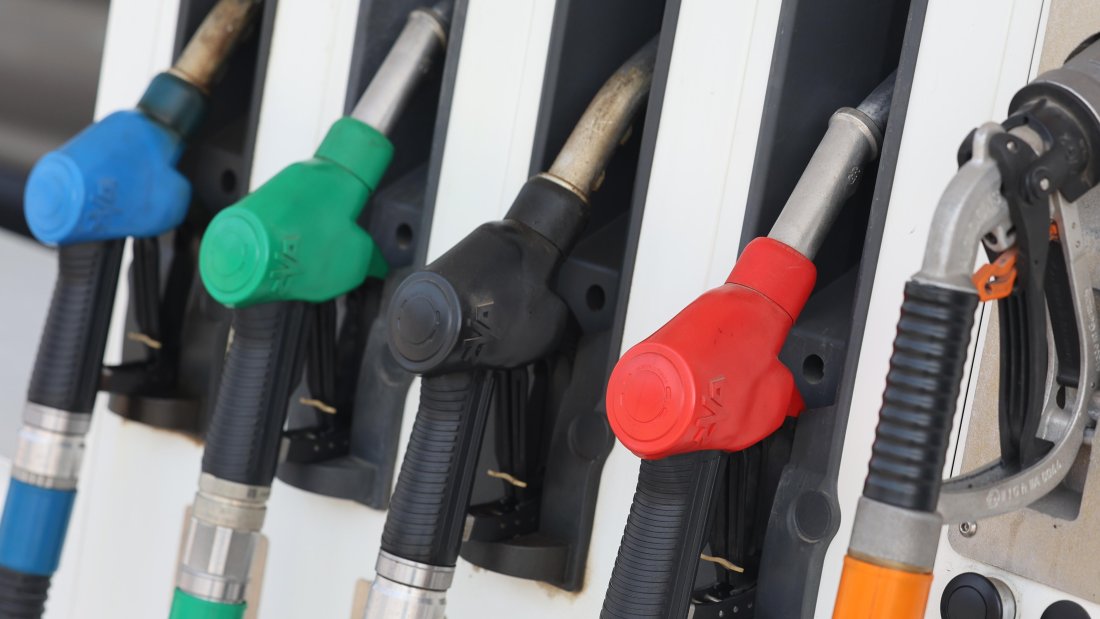
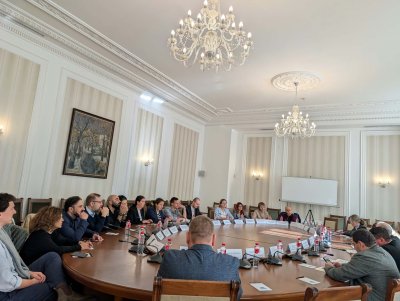
The rise in fuel prices and measures to contain them were at the centre of discussions among parliamentary parties. The opposition accused the government of failing to propose measures to tackle rising prices and put forward its own proposals, while the government rejected them and said an anti-crisis package was being prepared.
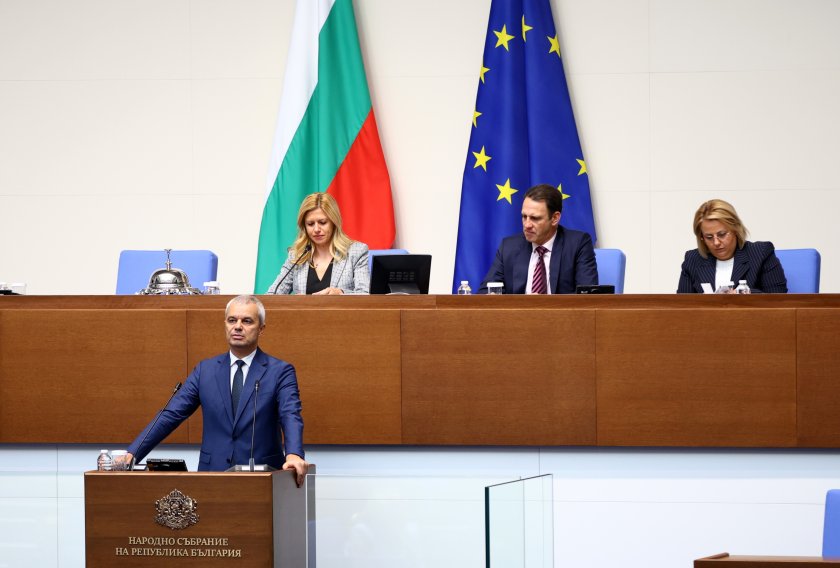
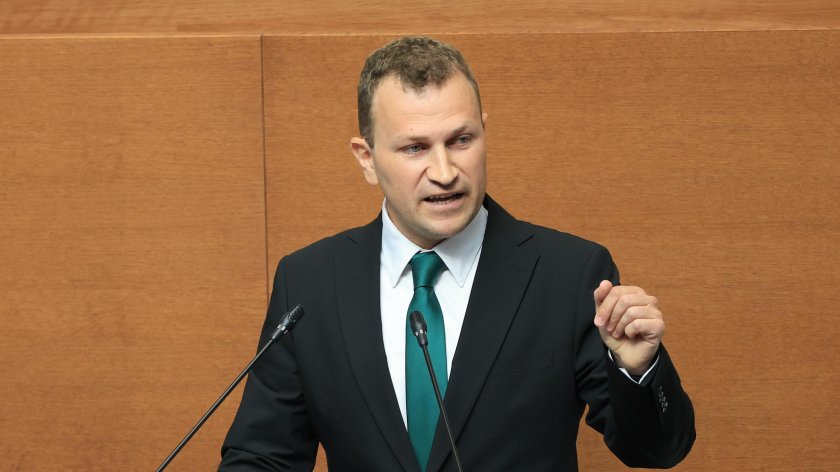
At the start of the parliamentary sitting, Vazrazhdane proposed two measures.
Kostadin Kostadinov, chairman of “Vazrazhdane”: "The sanctions on imports of Russian oil must be lifted. Oil from the other side of the Black Sea can arrive in one day, and it is not priced at $124 a barrel, as it is at the moment, but at $68-70 if we reach an agreement. The second solution we are proposing is a partial and temporary reduction in VAT on fuel. At BGN 4 per litre, the VAT the state receives is close to 80 stotinki.”
Democratic Bulgaria (DB) and We Continue the Change (CC) disagreed and called for the state to offset the increase through direct intervention.
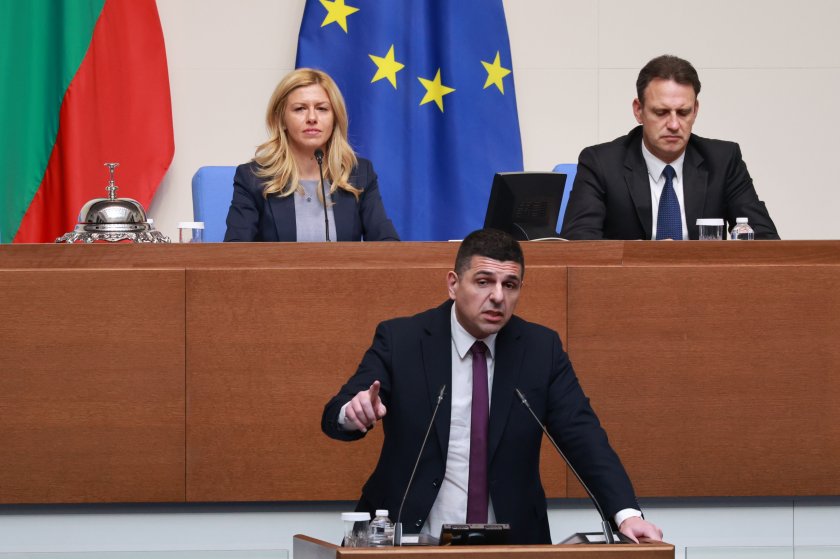
Ivaylo Mirchev, co-chair of DB: “There is no point in reducing VAT. In principle, that opens Pandora's box to reducing VAT. VAT should not be touched. What we proposed has already been tested during the previous crisis. Back then, however, it was 25 stotinki. It worked well, and it was the only measure that worked adequately and was fair to everyone.”
Asen Vasilev, leader of WCC: “Yesterday we heard Mr Radev announce that they were preparing clear and concrete measures, but they still hadn't said what they were or how concrete they would be. This is a very belated measure. You will remember that when the budget was being adopted, we said that there needed to be an anti-crisis package.”
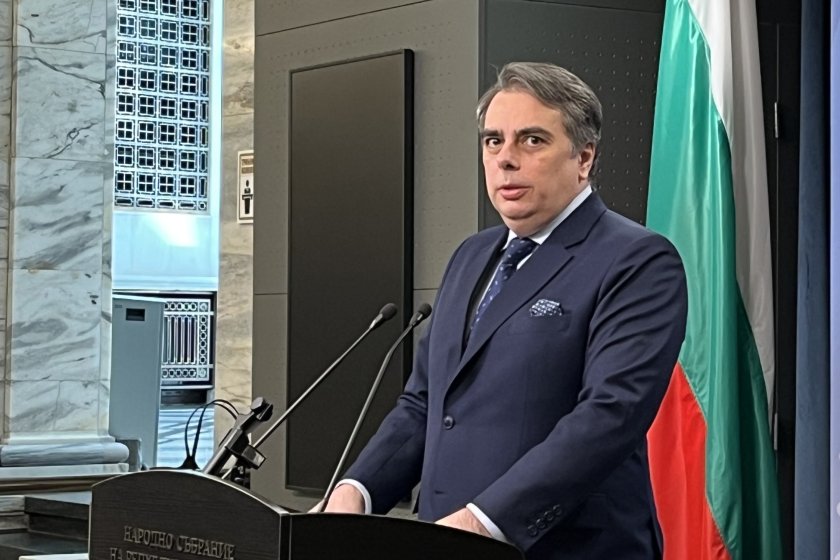
GERB accused the government of deliberately failing to intervene despite having all the necessary levers at its disposal.
Aleksandar Ivanov, GERB-UDF: “Of course, there are many ways, through excise duty and VAT, but the finance minister is sitting there, while Mr Rumen Radev is rubbing his hands with satisfaction, because the record deficit of 5.7% is being reduced as a result of high fuel prices at petrol stations, which will lead to unexpectedly high revenues for the state from VAT and excise duty. It suits them perfectly, and that is why we are not seeing any real measures or solutions from them.”
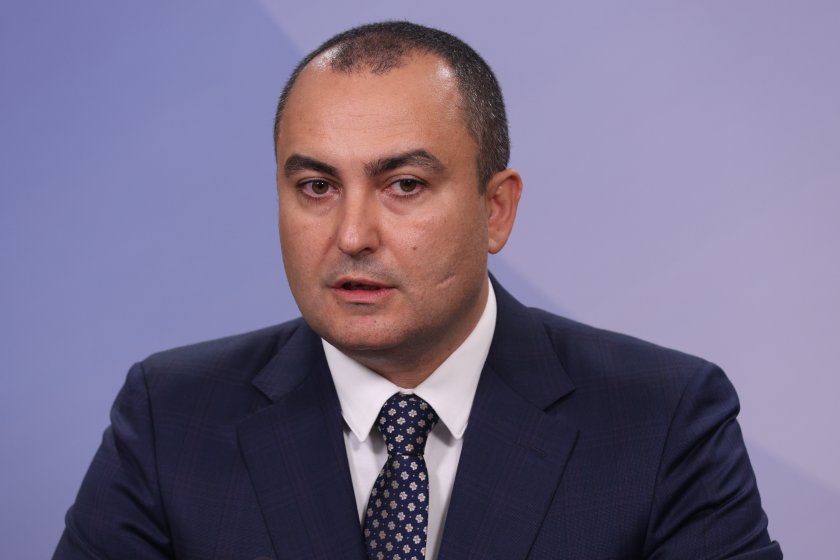
The governing parties said compensation was being prepared, but only for the most vulnerable groups.
Stoyan Trichkov, Progressive Bulgaria: “The criteria will only be determined at a later stage. But you have to agree that the need is not the same for someone driving a €200,000 car and someone driving a €2,000 car. Their need for assistance with these expensive fuels is not the same.”
Natalia Efremova, Minister of Labour and Social Policy: “This also includes individuals on low incomes. You know that there was such a measure before. At the moment, we are carrying out the final calculations.”
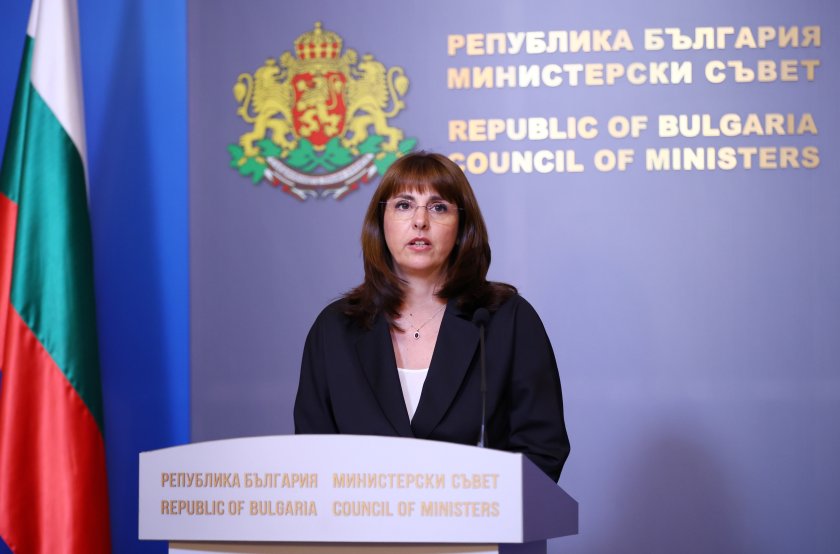
The measures are expected to be announced by the end of the week.


 PM Radev: Bulgaria Is Taking All Possible Measures to Enhance Maritime Security in the Black Sea
 A Wave of Reactions Following the Incident Involving Journalist Sonya Koltuklieva (OVERVIEW)
 "Democrats for a Strong Bulgaria": We Fully Support the Call for the Resignation of the National Assembly Speaker
 President Iotova: I Will Seek the Resignation of NSP Chief, Major General Emil Tonev
 Хронология и факти: Инцидентът с Колтуклиева, обвинение и последвала оставка (ОБЗОР)
 Сунгурларе и Белица, обществени поръчки за милиони евро и една фирма - коя е тя?










 Чуй новините
 Подкаст