Biotechnology is one of the fastest-growing sectors in the European Union. It currently provides more than 900,000 jobs, with 75% of them in healthcare. The sector contributes nearly €40 billion to the European economy. Biotechnology has the potential to revolutionise healthcare through the development of innovative treatments and therapies, more precise diagnostics and personalised medicines.
At the biotechnology incubator of the Flanders Institute for Biotechnology, science is taken beyond the laboratory – in other words, scientific discoveries are transformed into business opportunities. Its work focuses on two major areas: human health and the wellbeing of the planet.

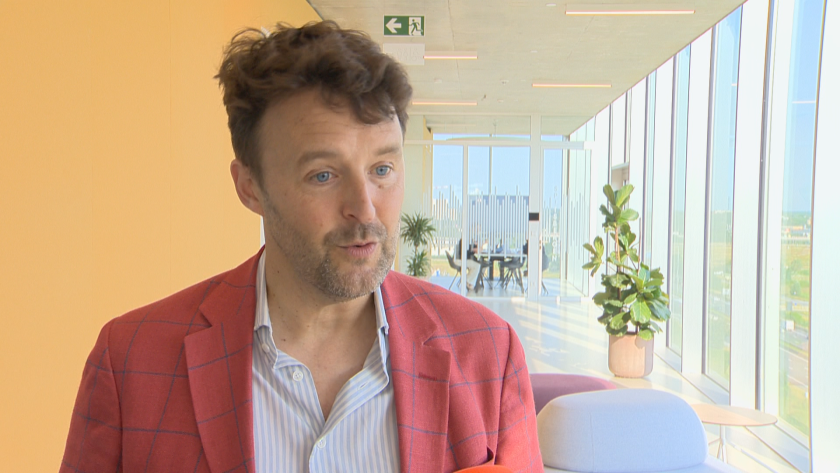
Jerome Van Biervliet, Chief Executive Officer, Biotechnology Incubator, Flanders Institute for Biotechnology, Ghent, Belgium: "In the field of human health, we focus on areas such as cancer, neuroscience and neurological disorders, inflammatory diseases and biotechnology. We explore how molecules derived from living organisms can be used and engineered to benefit people. In the area of planetary health, we work on a range of challenges related to the sustainability of agriculture in Europe and around the world, which is facing multiple crises."
One of the companies based at the institute is applying its expertise to the critical challenge of antimicrobial resistance.
The company is developing a new class of antibiotics that are effective against multidrug-resistant bacteria. These treatments are designed to overcome the limitations of conventional antibiotics.
The Flanders Institute for Biotechnology also works closely with one of Europe's largest biotechnology companies.
Beth Delgiacco, Vice President for Corporate Affairs, European biotechnology company: "One of the diseases we treat is myasthenia gravis. When we speak to patients, we see that before gaining access to treatment they are unable to work, drive or take part in activities such as sport or travel. One patient even told us they could not walk outside in the morning to collect their post. Stories like these have a profound impact on us and motivate us to continue developing new medicines."
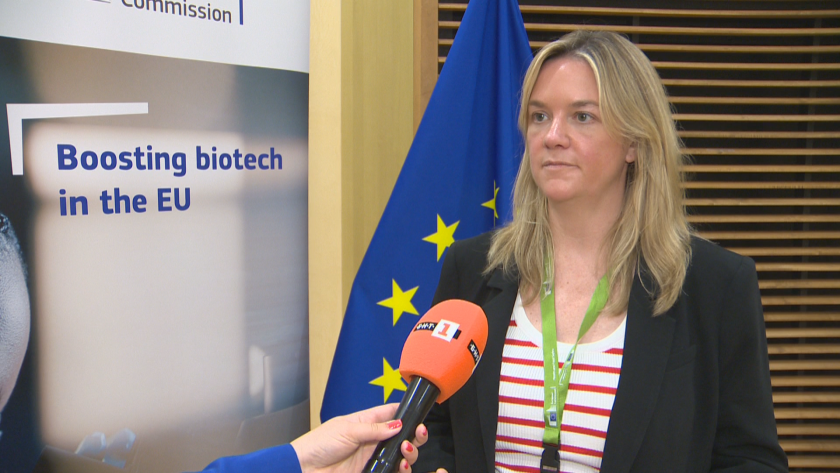
Beth says the company works with many hospitals in Bulgaria and collaborates closely with Bulgarian doctors. She adds that no matter how large a company may be, or how effective the medicines it develops, they have little value if they cannot reach patients. That is why access to treatment is just as important as the development of new therapies.







 Чуй новините
 Подкаст