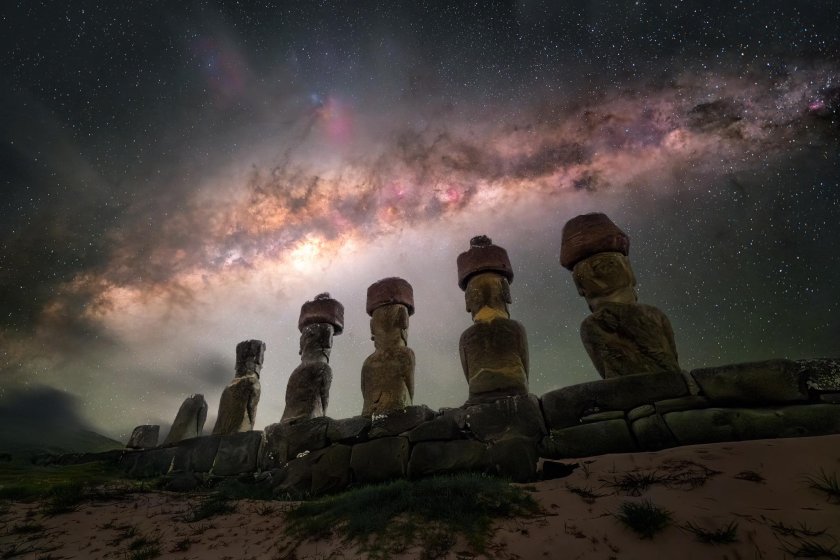
NASA has selected a photograph by a Bulgarian photographer as its Picture of the Day. The image shows the Milky Way.
In the photograph, the volcanic statues of Easter Island are turned with their backs to the Pacific Ocean, “gazing” at the bright band of the Milky Way, partially obscured by interstellar dust and blurred by clouds.
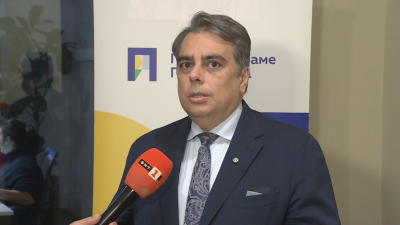
Rositsa Dimitrova told the Bulgarian National Television morning programme Denyat Zapochva (The Day Begins) that she had been submitting photographs to NASA for the past four to five years.
“I was even wondering how they could wait so long without selecting me. But at one point, when I sent this photo from Easter Island, they actually shared it on their second Facebook page, not the main one. And I said, ‘Well, that’s nice that you’re sharing it, but at least choose it as Picture of the Day.’ And in the end, a few days later, I received an email from them.”

The photographer described in detail the moment the image was captured:
“We had spent more than two weeks in South America, in Chile and Bolivia. We decided to spend the last few days – almost our third week – on Easter Island. The weather there is extremely dynamic, and in fact we only had three evenings. On the first evening, we went to Rano Raraku, which is essentially the workshop for the moai. That is where these enormous statues were made. The forecast was not very good, but in the end we were lucky – about an hour after arriving at the location, the sky cleared and we were able to shoot. The second evening was terribly rainy. The third evening is actually when I took this photograph. During the day, we were at this beach called Anakena. When I saw the statues arranged there, I immediately took out my phone and started checking where exactly the Milky Way would be and at what time I would get a good composition to photograph it. Again, the forecast for the evening was not very good, but despite everything, my friend and I decided to go, even though we were extremely tired after three weeks of shooting every night. And yes, despite everything, we went to the location. It was even drizzling, and the sky cleared, perhaps for just a few minutes while we were trying to shoot, so I managed to capture it, which I am very happy about.”
Rositsa Dimitrova said that processing the image took her a year.
“Post-processing is extremely important, yes. I worked on this photograph for about a year, because the trip was exactly a year ago and I simply was not satisfied with the final result. In night photography, we mainly process for contrast and noise reduction. The colours seen in the image are actually real – I have not added or enhanced them; they are what the camera captured. It is just a matter of cleaning up noise so that the image appears clearer and the stars are more visible. There are many software tools, and the processing takes a great deal of time.”








 Чуй новините
 Подкаст