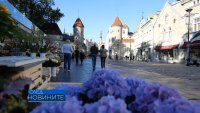
Anthrax is very easy to treat if it is diagnosed in time, but if left untreated, it can lead to serious complications. This was explained by Prof. Todor Kantardzhiev on BNT's programme “The Day Begins” on September 2.
An anthrax outbreak was detected in the village of Stefanovo, Lovech District, where three people contracted the cutaneous form of the disease after coming into contact with an infected animal.
Anthrax outbreak in Lovech District brought under control
According to Prof. Kantardzhiev, the animal had been slaughtered and butchered without the health authorities being notified. He said 21 people had been in contact with the meat and the animal.
Prof. Kantardzhiev explained that people most commonly become infected through contact with meat from an infected animal, particularly if they have a wound on their hand and do not use protective equipment.
“If you have a small wound on your hand, fail to disinfect your hands or do not wear medical gloves, handling this meat can lead to the cutaneous form of anthrax. The disease is very easy to treat if it is recognised, but if it is neglected and goes undiagnosed... 15 years ago, a man in Varna died from the cutaneous form of anthrax because the infection became generalised, led to sepsis and he died.”
“A blue pimple. Anthrax is also known as Siberian plague or the ‘blue pimple’. It produces a wound with a very characteristic appearance and, most importantly, anthrax is such a nasty bug that it causes complete numbness. The bacillus produces substances that block the nervous system, so you can put a scalpel into the wound and it does not hurt. It does not hurt – you can cut right down to the bone and it still does not hurt. That is anthrax. Thankfully, the right antibiotics work very quickly against it.”
According to him, the infection of animals is also linked to weather conditions. Torrential rain washes away the top layer of soil and brings anthrax spores closer to the surface, where they can remain for years.
Prof. Kantardzhiev urged people to follow the relevant rules if the disease is suspected and to immediately notify the veterinary authorities.
On cases of malaria and the risk of infection through mosquitoes, Prof. Kantardzhiev advised people travelling to malaria-endemic areas to use insect repellent and take the necessary preventive medication.
“When you return home and develop a high fever, feel weak and have difficulty moving, you should think not only of other mosquito-borne viral fevers, but also of malaria. Never hide from your doctor the fact that you have been abroad, because malaria needs to be diagnosed in your blood immediately. Treatment must begin straight away if you want to avoid serious complications.”
He said insect repellents are also an important measure for people who do not travel but are exposed to mosquitoes in Bulgaria. For children, he recommended applying repellents to clothing and prams, while adults can also apply them to the skin if they are not allergic.
Prof. Kantardzhiev also commented on the upcoming free flu vaccination programme for children up to seven years of age, as well as for chronically ill children up to 17. He recommended that parents discuss vaccination options with their doctors.
He paid particular attention to the nasal flu vaccine, which is administered through the nose and stimulates an immune response in the mucous membranes.


 National Health Insurance Fund Identified over 1 Million Euros in Funds Improperly Received by Pharmacies
 Fictitious Hospitalisations Worth Over 3 Million Euros at the Rheumatology Clinic in Plovdiv—How Did the Scheme Work?
 Critical Shortage: The Number of Nurses in Bulgaria Has Halved Over the Past 35 Years
 Scientists in Plovdiv Develop Plant-Based Combination to Support Metabolic Health
 Гледайте първия епизод от новия, шести сезон на култовия сериал "Под прикритие" по БНТ









 Чуй новините
 Подкаст