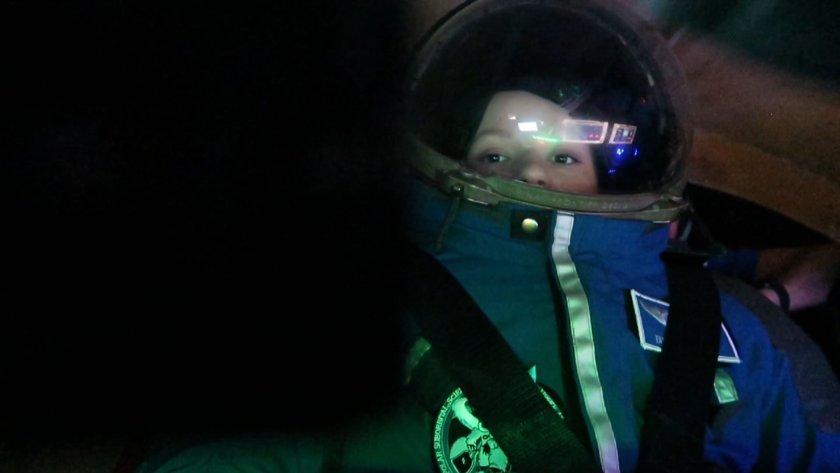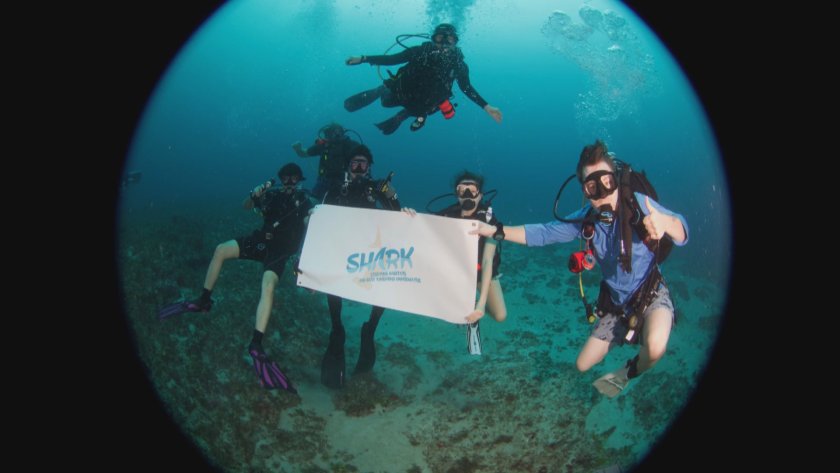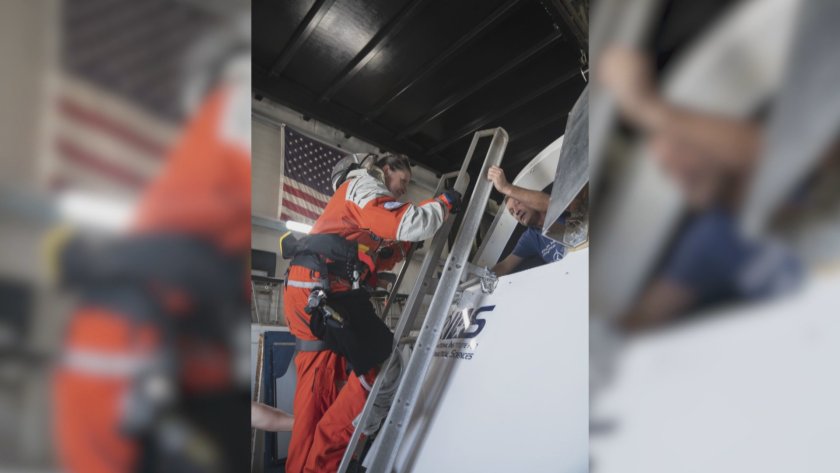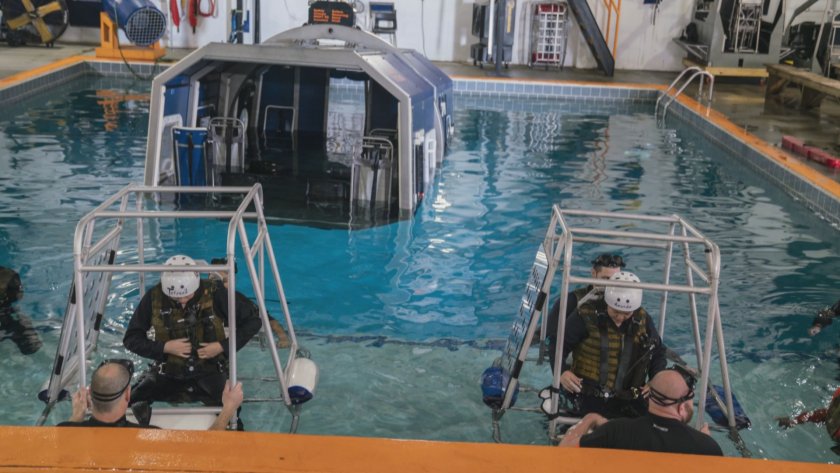

Tatyana Ivanova is an aerospace engineering student at the American university Embry-Riddle and is on her way to becoming the first Bulgarian woman in space. Skydiving, scuba diving, high-G tests and specialised training are just some of the elements of her preparation.
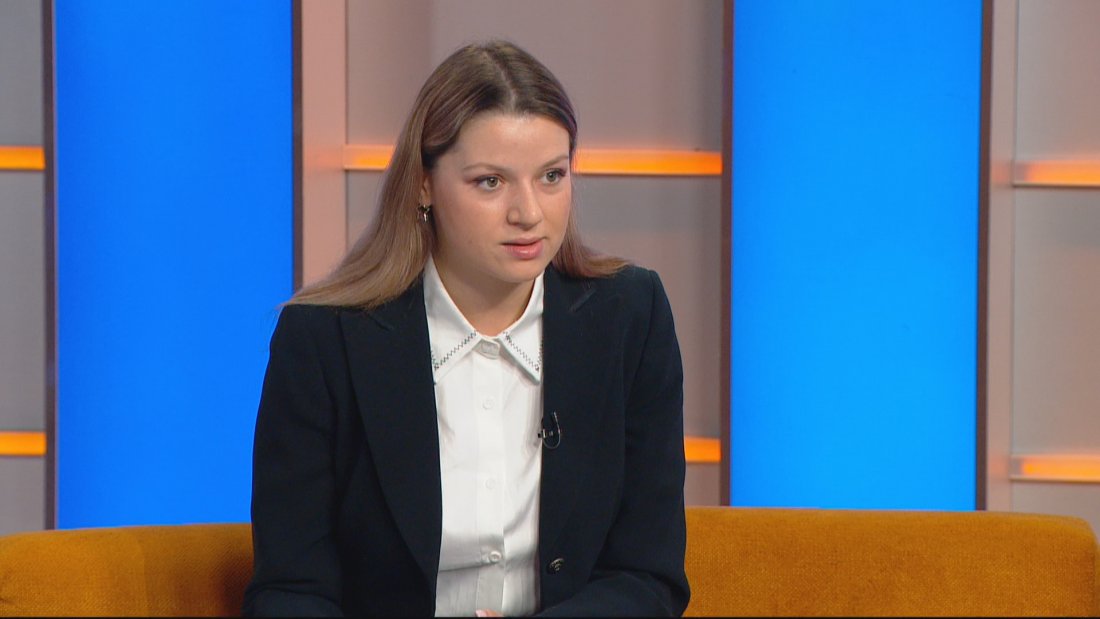
Tatyana Ivanova spoke about her big dream, the limits of human capabilities and the path to space on “The Day Begins” programme on November 2.

“When I was 15, in 2018, I realised that I wanted to become an astronaut. As I grew older, I started observing a lot of people, following their example and retracing their steps. I noticed that they went scuba diving, skydiving and flying planes. And I asked myself why this was necessary. The idea is that you have to be someone who overcomes fear and is ready to make the right decision in the most extreme situations,” Ivanova said.

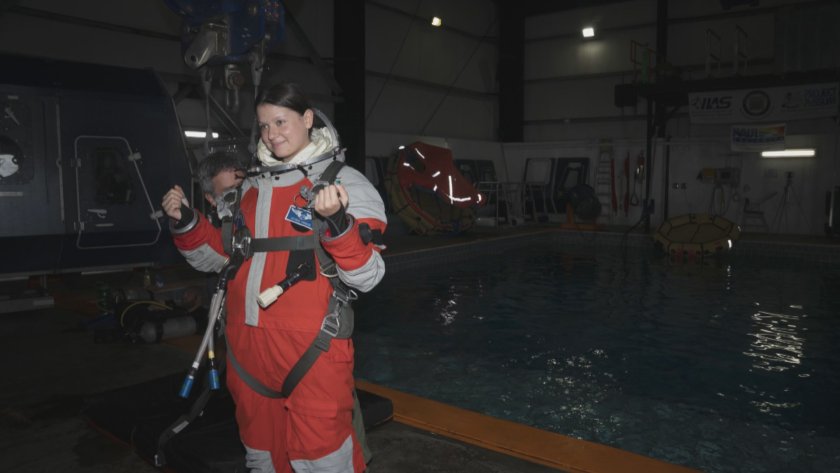
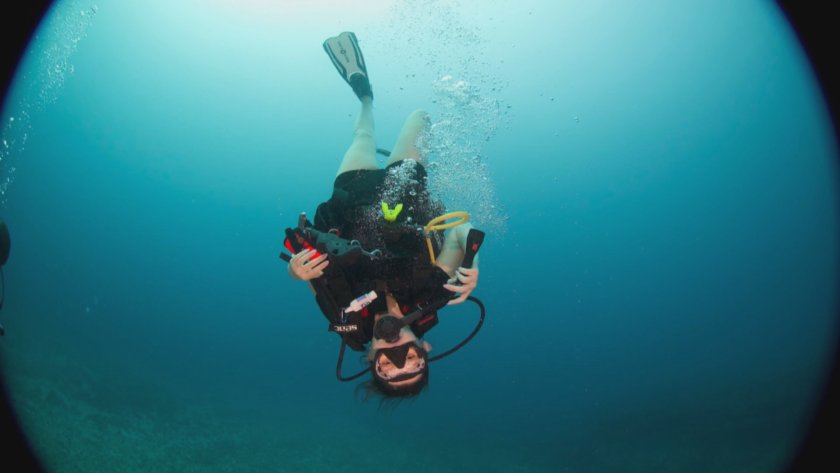
Tatyana already holds a skydiving licence and is actively involved in scuba diving. She has completed eight specialist diving courses and is due to start a professional-level course in January. Among the most interesting stages of her preparation are specialised exercises in using a spacesuit and carrying out activities outside a spacecraft.
Tatyana Ivanova: “These are training sessions in which we learn how to pressurise and depressurise a special suit used for EVA – an activity in which an astronaut leaves the spacecraft and enters an environment with no pressure. The Moon could be such an environment.”

Her training includes meteorology, physics and practical classes, including exercises in a space capsule simulator.
“The programme I am studying on is a specialised one that certifies civilians for suborbital flight. We go through various training courses – from meteorology and physics to practical exercises, including exiting a space capsule. All these activities are supervised by professionals in the United States, people who work for government agencies,” Ivanova said.
Her preparation also involves tests that subject the body to considerable strain. Tatyana spoke about survival training in which a helicopter cabin is turned upside down in water through 180 degrees, as well as moments of intense stress.

“I don't think there has been a moment when I've said to myself: ‘I can't go on.’ There have been times when I've been under a great deal of stress. Each level prepares you for a particular situation. Of course, who trains you is important, too. I must give credit to the instructors,” she said.
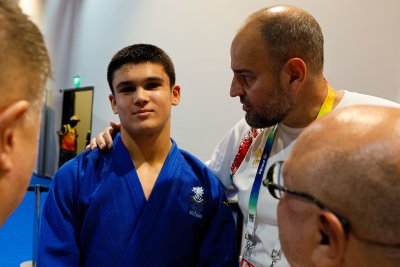
Ivanova also spoke about her first steps in scuba diving, when she had to overcome her fear of drowning. She gave special thanks to her instructor, Ivan Delchev, who helped her build confidence.
“These moments teach you and give you very valuable lessons. They show you that every procedure is designed to keep you healthy and safe, because someone was injured at some point when they failed to follow that procedure,” she stressed.

During an aerobatic flight in Florida, Tatyana experienced a force of 6.1 G – 6.1 times the acceleration due to gravity.
“Many people say that your field of vision narrows and everything comes together at one point. I didn't experience that. There is a strange sensation in your throat, as if you are about to swallow your tongue. But everything you do every day prepares you and makes you stronger,” she said.
For Tatyana Ivanova, her dream of space is about more than simply flying there. She wants to pursue science and research, and plans to continue her education with a PhD in atmospheric sciences.

Tatyana Ivanova: “For me, becoming an astronaut just for the sake of being an astronaut has never been an obsession. I love science. Even now, I find it difficult to limit myself to just one specialisation. That's why I want to study atmospheric sciences for my PhD and research aerodynamics and air currents.”
According to Ivanova, exploring other planets, including Mars, could help humanity better understand its own planet, too.
“Mars is a planet located in the habitable zone of the Solar System. Studying what happened to Mars could also give us an answer to the question of what might happen to Earth. We are talking about the distant future, of course. But centuries ago there were no aeroplanes and no rockets. Humanity makes progress every day,” she commented.
In her aerospace engineering studies, Tatyana is often the only woman in her class. She said she had sometimes encountered stereotypes because she asked a lot of questions or did not conform to expectations of how a woman should behave in that professional environment.
“It has often happened that I was the only girl. I had one subject – aerodynamics – which was the most difficult. I asked a lot of questions to understand everything, because I want to study this subject in the future, too. Sometimes the boys seemed to think I was asking too many questions. But by the end of the second exam, I had the highest mark in the class,” Ivanova said.
Torrential Rain in Varna: Flooded Streets, Stranded Cars and Traffic Lights Out of Order
Shipping Container with Christmas Decorations Washed Ashore near Tsarevo; It Has Been Secured
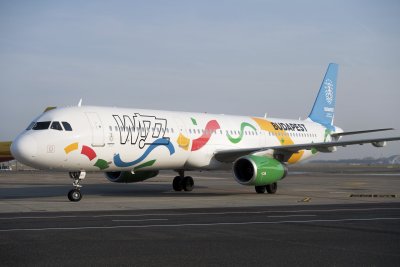
Hungarian Fighter Jet Escorts London–Sofia Flight to Budapest Following Bomb Threat
ЦИК при 100% обработени протоколи: Илияна Йотова получава 57,57%, Андрей Гюров е втори с 39,48%
Разказ на пасажери, пътували на ескортирания самолет по линията Лондон–София, кацнал извънредно в Будапеща