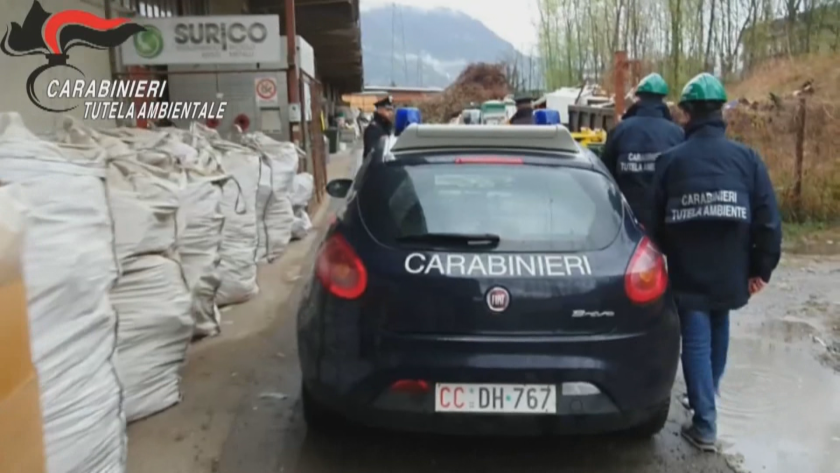
Italy is investigating five Bulgarians suspected of involvement in a scheme to import hazardous waste into Bulgaria. An Italian company allegedly provided false information when classifying waste destined for Bulgaria and Greece, in order to cut costs and increase profits. According to Italian investigative journalist Sergio Nazaro, Bulgaria is currently a hotspot in the waste trafficking network.
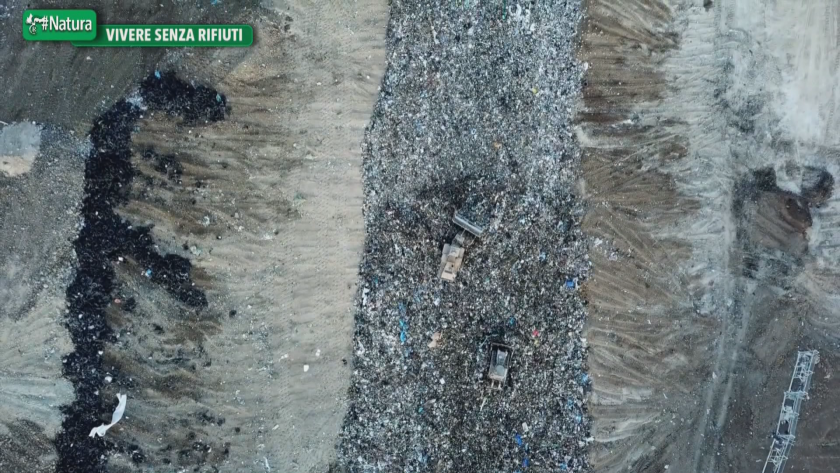
Italian authorities say that since 2020, a company has been transporting special waste to Eastern Europe without proper treatment. This was reportedly done with the approval of laboratory chemists, transport operators and others in the chain. The waste was declared as “mixed plastics”, while in reality the bales contained other materials.
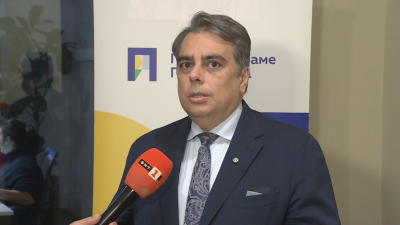
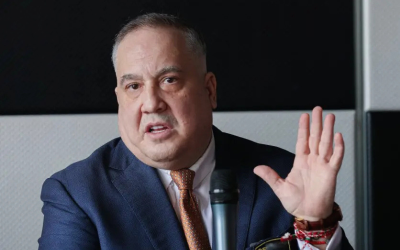
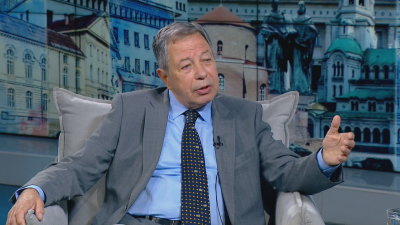
Sergio Nazzaro, Italian journalist - Center for the Study of Ecological Crimes: “Illegal waste trafficking seems like something no one pays attention to. Why? Because it is dirty and smells bad. Secondly, everything is about money and documents.”
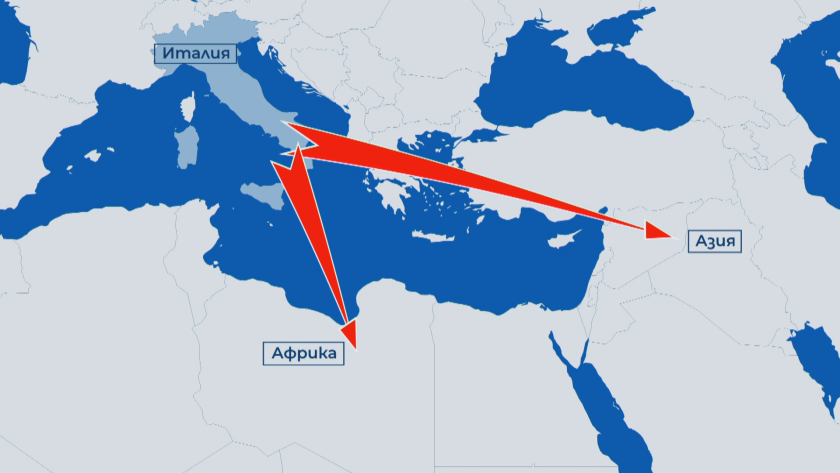
According to the journalist, mafia networks rely on contacts and routes built on corruption at multiple levels. The aim is to ship waste onwards to Africa and Asia, with Bulgaria and Greece serving as transit zones. For example, while processing one tonne of waste according to environmental standards may cost around €2,000, traffickers can handle it for €500.
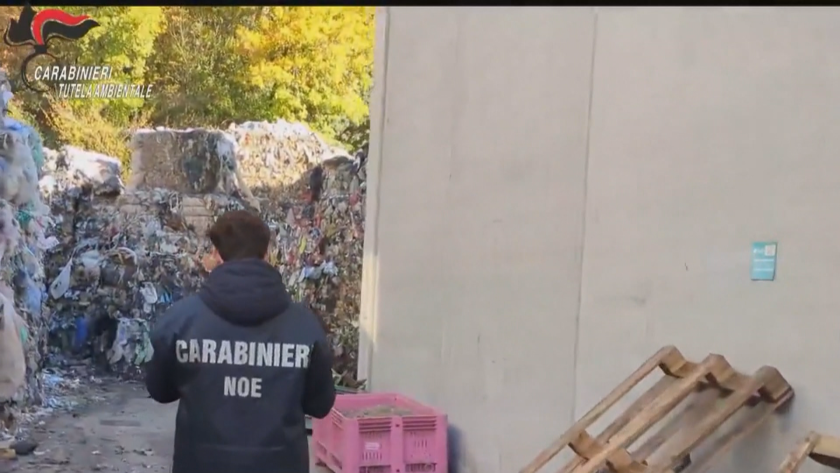
Sergio Nazaro added: “When it goes to Asia, some of it may be recycled. In Africa, unfortunately, it is often simply dumped. People need to be aware of this kind of trafficking. This is not just a criminal group doing something wrong – they will destroy the environment.”
Italian anti-mafia investigators are examining 19 individuals, including the deputy mayor of Brindisi and five Bulgarians.
Sergio Nazaro said: “Bulgaria has become a hotspot for transit. Why? Because there is less control and fewer inspections. Yesterday, while preparing for interviews, I spoke with the director of a major public plastics consortium, Claudia Salvestri. She travels frequently to Bulgaria. She told me that when she went to check where our plastics were going, the driver, who was Bulgarian, said: if you need to dispose of waste, we have all the routes in Italy. Just tell me and I will give you contacts.”
This type of activity is attracting more members of Italian mafia groups.
Sergio Nazaro said: “If you deal in cocaine, it is very dangerous. You make a lot of money, but it is risky. Waste trafficking is not punished as severely.”
Such criminal networks are difficult to prove in court, while mafia groups exploit administrative gaps and weaknesses in oversight.
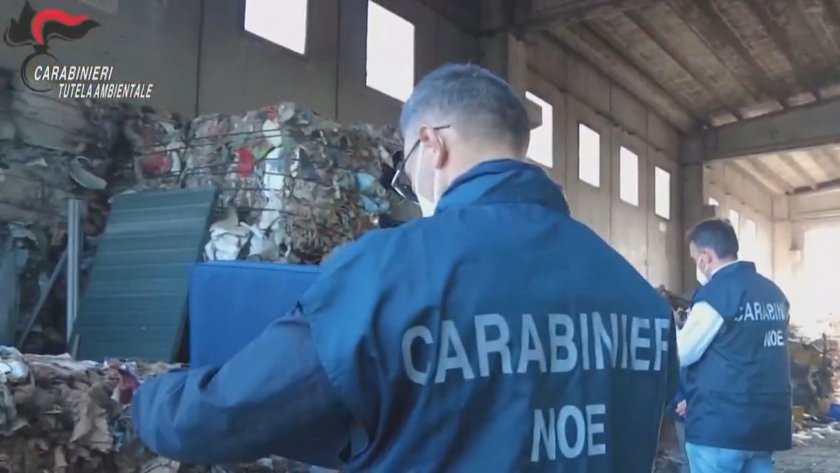
Sergio Nazaro said: “The other day I was with friends in the police and they stopped a lorry. At the moment, they can only check documents. If you have a huge truck full of mixed waste, how do you check what is inside? This system can also be used for smuggling weapons and drugs. The entire mafia is involved – the 'Ndrangheta, the Camorra. It is a huge business for everyone. I am telling you, Bulgaria is really under the spotlight.”
Asked how much money this criminal activity generates, he said: “Millions of euros, millions. It is an endless stream of income.”
The exact role of the detained Bulgarians is not yet clear. Eight people have already been charged with participation in an organised criminal group for illegal waste trafficking.







 Чуй новините
 Подкаст