

Bulgaria takes the final step toward the adoption of the euro as of January 1,2026
After 145 years in circulation, Bulgaria’s national currency, the lev, is set to retire. But how did it come into existence, what trials has it faced, and which personalities are linked to its story?
The lev was introduced on 4 June 1880, when the National Assembly passed the Law granting the principality the right to mint its own coins.
MP Yosif Kovachev was among those who proposed naming the new currency either “lev” or “aslan.” Professor Daniel Vachkov explains that even during the Bulgarian National Revival, municipalities in the Srednogorie region minted coins referred to as “levs.”

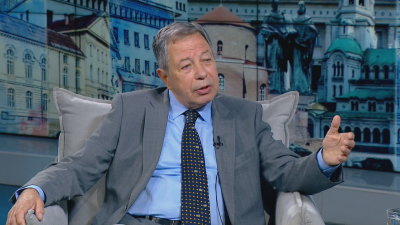
Professor Daniel Vachkov, Director of the Institute of History at the Bulgarian Academy of Sciences:
“Evidently, since Bulgarians were already aware that their traditional coat of arms featured the lion, it is likely they arrived at the idea of naming the currency the ‘lev’(lion).”
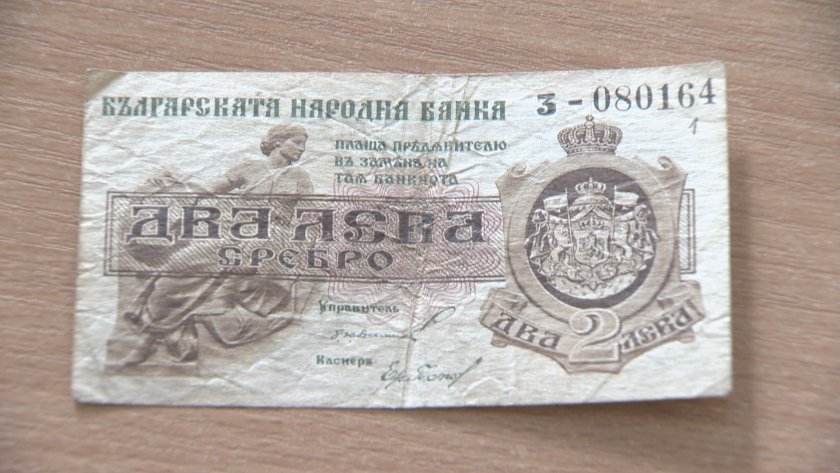
In its early days, the lev lacked authority. Rubles, lira, and francs were also in circulation. The first banknotes appeared in 1885, but public mistrust was considerable.
Professor Vachkov:
“Initially, people avoided them. They preferred to collect gold coins where possible and mostly used silver coins in everyday transactions, reserving gold in household containers.”
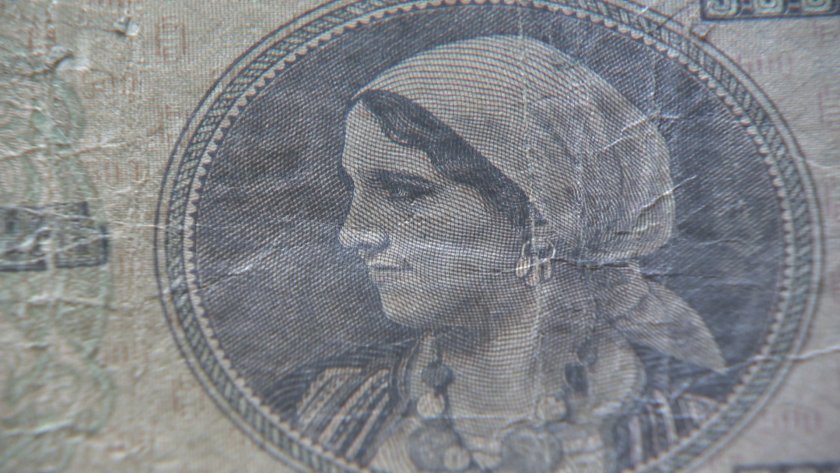
The lev’s rise began in the early 20th century, when it achieved parity with the franc. After the wars, it lost its gold backing, stabilising gradually by the early 1940s. From this period, the State Archives preserve a 500-lev banknote featuring King Boris III on the front and a portrait of Evdokia Kovacheva in traditional folk costume on the back.
This note became known as “the Maiden.” After World War II, the lev underwent another period of devaluation and mass printing. The first monetary reform under socialism came in 1947.
The aim was to eliminate the excessive currency issued by the bank during the war. Citizens were given only three days to exchange money at the bank, with a limit of 5,000 leva (roughly USD 5 at the time). Many were unable to exchange their funds, which were lost. The archives hold large quantities of unexchanged 1,000-lev notes, donated decades later.
A new currency reform followed in 1952 through denomination—reducing the number of zeros. For example, 100 leva became 4 leva. Another denomination occurred in 1961, this time at a rate of 10 to 1.
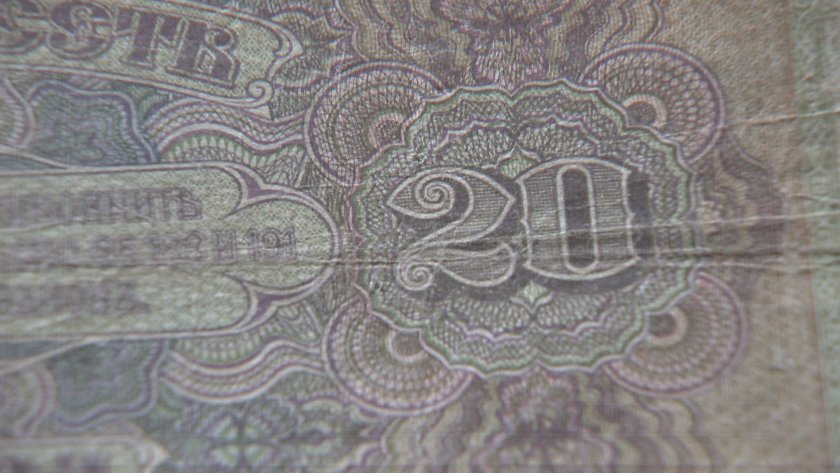
Banknotes from this era remain recognisable today: the 1-lev note featuring the Shipka Monument, and the 5, 10, and 20-lev notes with the image of Georgi Dimitrov. The 2-lev note depicting grape harvester Kina Gŭrbova is also well known. Her photograph from a harvest in Suhindol won first prize at an exhibition in East Germany.

Kina Gŭrbova:
“When the 2-lev note was issued in 1962, I was very surprised to see my image printed on it.”
Following political and economic changes, the lev experienced turbulent times, including hyperinflation and banknotes of 5,000, 10,000, and 50,000 leva. A currency board tied it to the Deutsche Mark, and three zeros were removed in 1999.
Professor Vachkov:
“At that point, 1,000 leva became 1 lev. Cents returned to circulation, having disappeared during the period when 1,000 leva equalled 1 mark.”
In 2004, the lev was pegged to the euro. Over 145 years, more than 20 notable men—from rulers and party leaders to Renaissance figures and prominent artists—have appeared on Bulgarian banknotes.
Women, however, have been far fewer: the female harvester of 1917, “the Maiden” of 1942, Kina Gŭrbova in 1962, and Desislava from the Boyana Church frescoes in 1991.
Tax Authority and Consumer Protection Agency Step Up Checks on Unjustified Price Rises
On the Eve of the Euro Adoption: Key Dates for Bulgaria’s Switch to the Single Currency