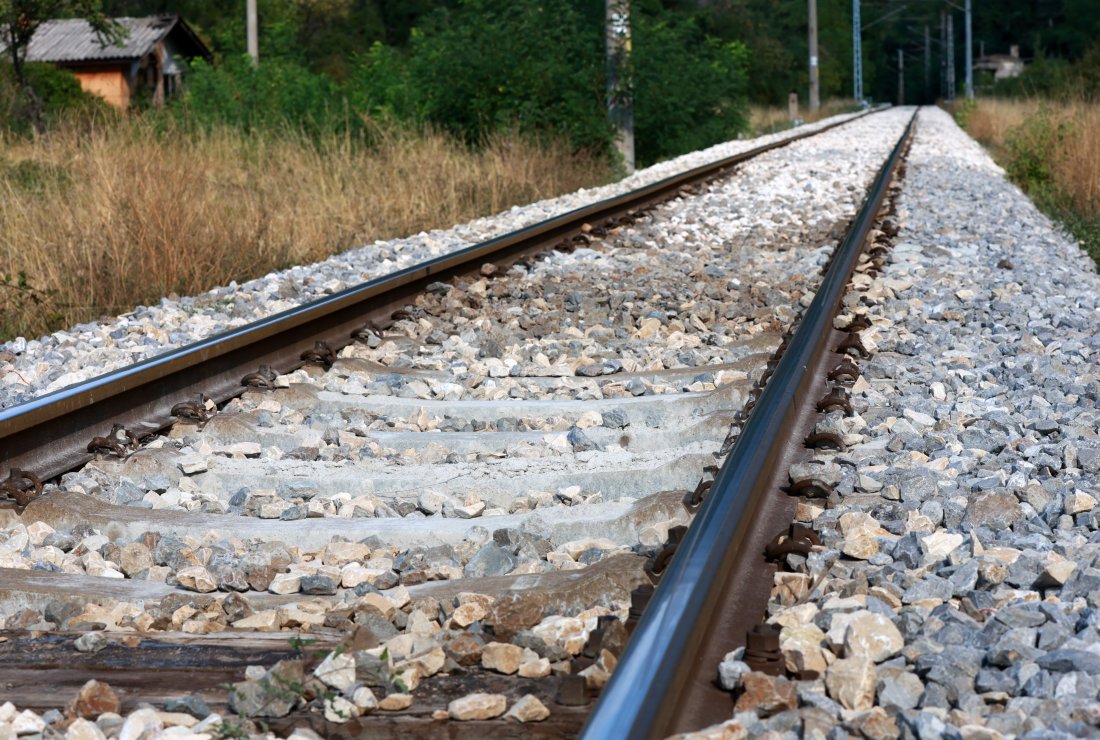
Half of Bulgaria's railway network is currently operating under speed restrictions because of the poor condition of the track infrastructure, Transport Minister Georgi Peev said while presenting his team and outlining the ministry's work over the past month.
According to Minister Peev, the railway system is also facing a shortage of ballast due to delays in a public procurement procedure, which has contributed to several train-related accidents.
The minister announced audits of the Bulgarian State Railways (BDZ), the National Railway Infrastructure Company (NRIC) and Bulgarian Posts, describing all three organisations as being in a state of effective insolvency.
In BDZ Passenger Services alone, liabilities have reached €30 million, he said.
Peev also revealed that the new trains promised for this summer will not enter service as planned. Funding has not been secured for 23 trains ordered from a French manufacturer as part of a contract for 35 units, leaving a financing gap of €356 million. Maintenance arrangements have also not been secured for the remaining trains.
"There are contracts within the National Railway Infrastructure Company involving commitments of more than €760 million without secured financing. BDZ Freight Services has accumulated losses exceeding €60 million. Bulgarian Posts has losses of more than €160 million," Peev said.


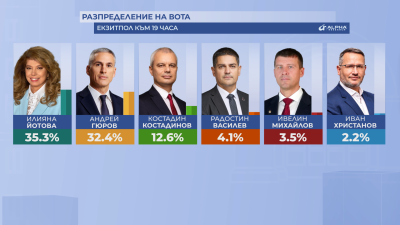
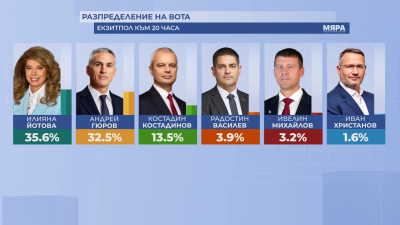
 Central Election Commission: With 7.37% of Polling Station Protocols Processed, Iotova and Gyurov Head to a Run-off in Presidential Election on 1 November
 ЦИК при обработени 30,71% СИК протоколи: Йотова и Гюров отиват на балотаж на 1 ноември (ОБНОВЯВА СЕ)
 Историческа победа за студентите, Вучич призна загубата си на парламентарните избори в Сърбия










 Чуй новините
 Подкаст