The Head of State held talks with "Progressive Bulgaria", GERB-UDF, MRF, "Democratic Bulgaria", "We Continue the Change" and "Vazrazhdane"
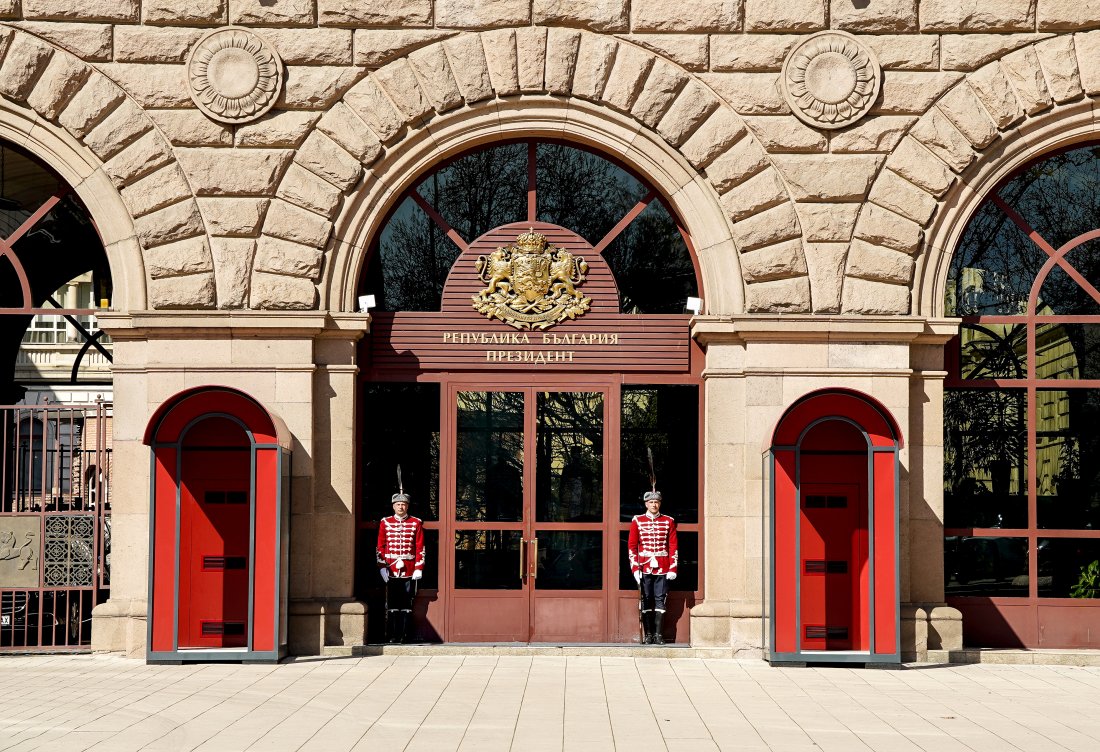
Budget policy, rising prices, anti-corruption efforts, international relations and judicial reform were among the main topics discussed during consultations between parliamentary parties and President Iliiana Iotova. On Tuesday, May 5, she held talks with all six parties represented in Parliament ahead of handing over the first mandate to seek to form a government.
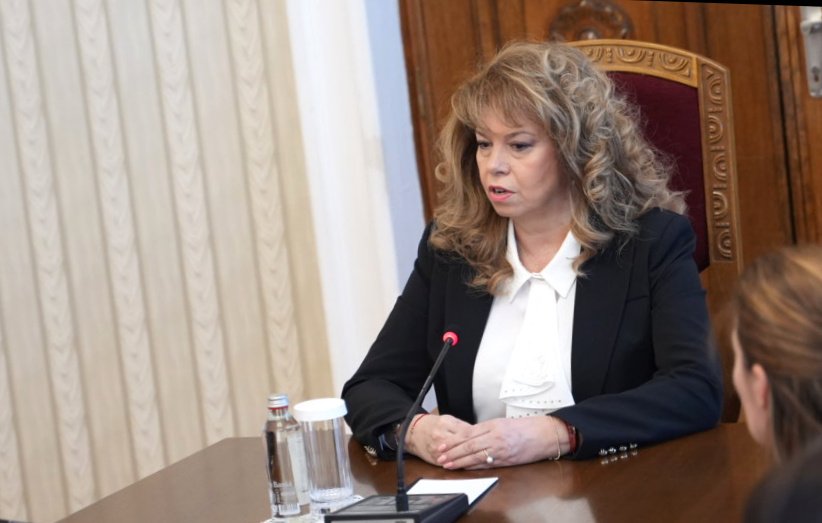
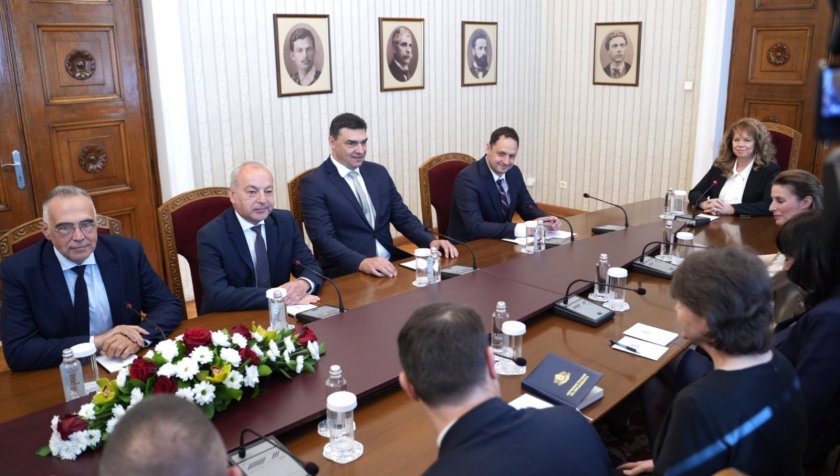
The first to arrive at the Presidency on Dondukov 2 were representatives of “Progressive Bulgaria”, though without leader Rumen Radev. They signalled their intention to form a government by the end of the week. the state budget, curbing the rising deficit and taking on new debt to finance social spending were among their priorities.
“Following this election result, our country is in a new political situation. Bulgarians voted for stability, for a stable government and for security. Everything now depends on you,” Iotova said.
We are operating under an extended budget. This is difficult for the country’s economy and difficult for every Bulgarian citizen. The caretaker government has managed to some extent, but in my view not sufficiently to protect the poorest and most vulnerable in society.
How will the country’s foreign policy relations be managed?”
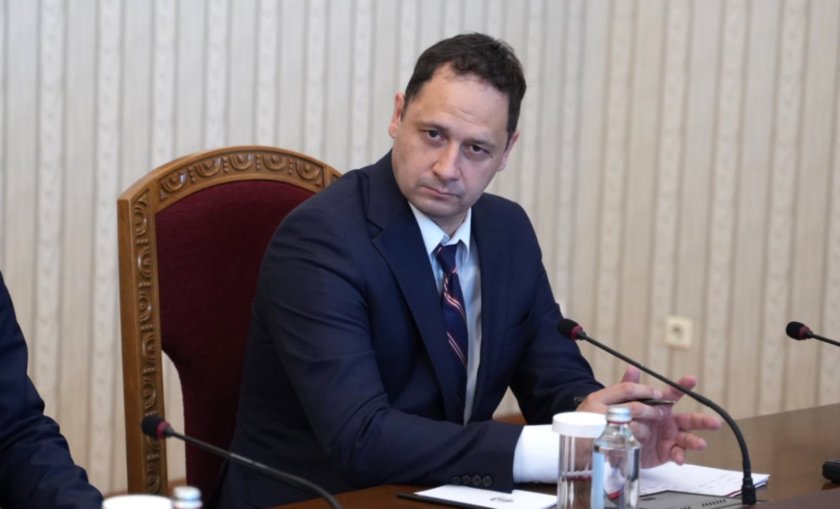
Petar Vitanov, Chair of the Parliamentary Group of “Progressive Bulgaria”: “We will act swiftly. What we can promise, of course, is to bring an end to the political crisis. We are planning a series of legislative measures to curb these persistent price increases and the widespread impoverishment.
In terms of foreign policy, I would like to reassure those critics who expect a radical or extreme shift — nothing of the sort. For nine years there have been very clear positions, including those of President Radev, positions that are now shared by almost all European leaders.”
Galab Donev, MP from the Parliamentary Group of “Progressive Bulgaria”: “One of the main tasks will be to restructure the expenditure side of the budget. The primary focus of work in both the National Assembly and the Council of Ministers will be on what can be renegotiated and preserved from these European funds aimed at post-Covid economic recovery.
Perhaps one of the first decisions the National Assembly will need to take is to set a new debt ceiling, so that the state can ensure funding for pensions and wages.”
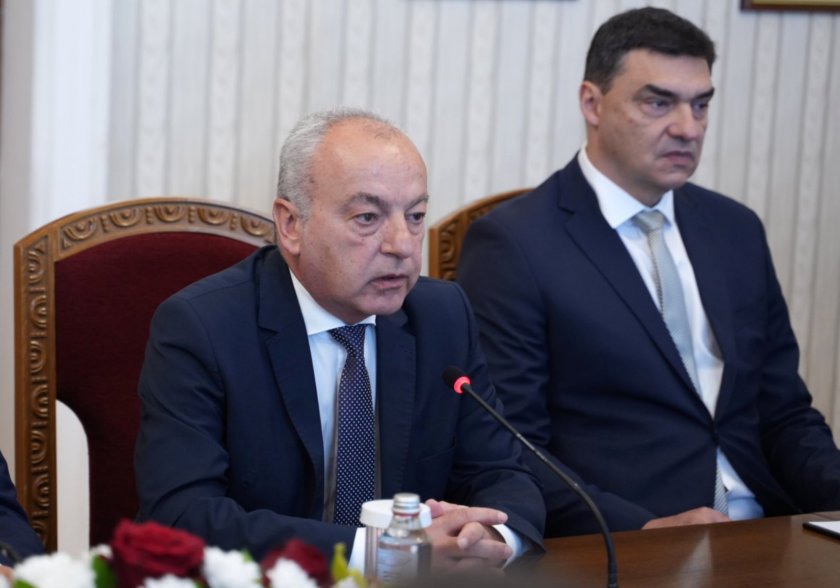
Anton Kutev, MP from the Parliamentary Group of “Progressive Bulgaria”: “There will be a government by the end of the week. In the coming days, we will organise the timetable in such a way that, with a high degree of certainty, we can say there will be a new government by Friday.”
Representatives of GERB-UDF were second to arrive at the Presidency. Once again, public finances were the main focus of the talks. They stated that they would act as a constructive opposition — they would not support the government as a whole, but would vote in favour of certain policies.
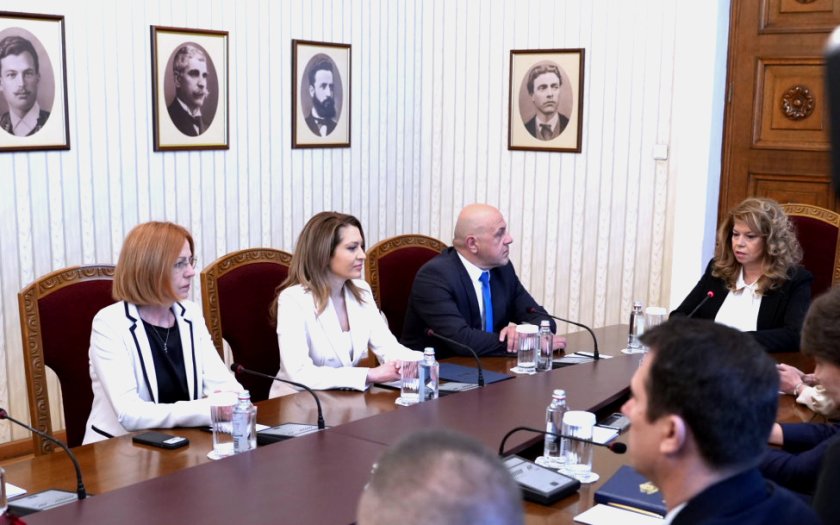
Tomislav Donchev, MP from the Parliamentary Group of GERB-UDF: “The choice facing the new governing majority comes down to three options — either maintaining the deficit at around 3%, cutting inefficient spending, or increasing taxes. None of these is ideal.
I would limit spending on the state apparatus and remove automatic increases. In this way, the deficit can be reduced without cutting social payments. A smart approach is needed — if we try to tackle inflation by spraying money in all directions, it is like putting out a fire with petrol.”
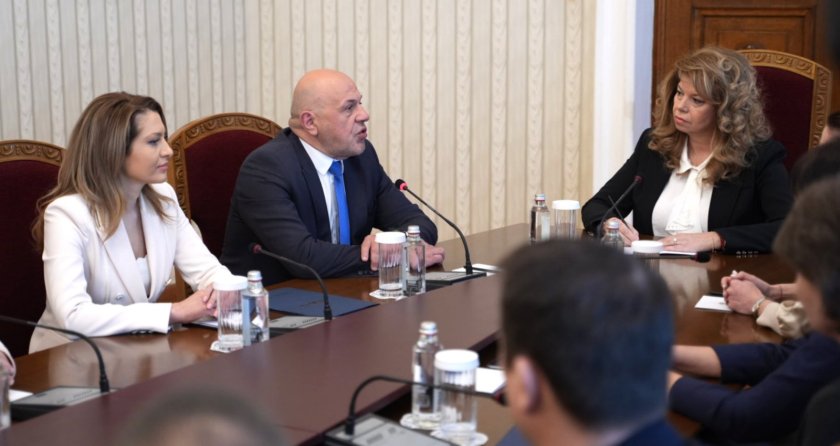
Representatives of the Movement for Rights and Freedoms (MRF) entered the Presidency declaring their intention to act as an opposition working in the interests of citizens.
Aiten Sabri, Deputy Chair of the MRF parliamentary group: “We will be a constructive opposition. The MRF will insist on maintaining a normal dialogue between political parties and institutions. We will work to protect the rights of every Bulgarian citizen. As regards the budget, we will support any measure that benefits businesses and municipalities.”
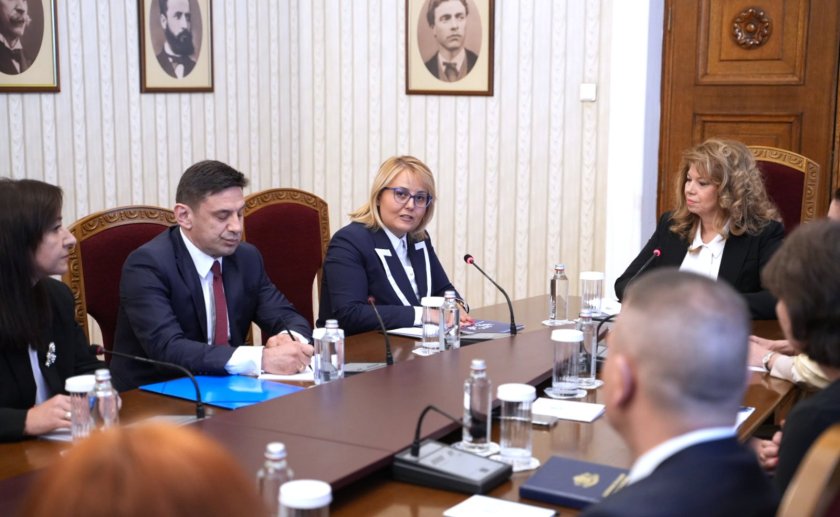
Fourth to arrive at the presidency were representatives of “Democratic Bulgaria”, after the coalition split its parliamentary group into two. DB representatives again said the internal rift had been a mistake and pledged to closely monitor whether the new government would dismantle the “Peevski–Borisov model”.
Bozhidar Bozhanov, MP from the Parliamentary Group of “Democratic Bulgaria”: “As an opposition, we intend to be constructive, but we will not remain silent if those in power deviate from the mandate given by Bulgarian citizens to dismantle this model.”
Ivaylo Mirchev, MP from the Parliamentary Group of “Democratic Bulgaria”: “We were surprised to see that ‘Progressive Bulgaria’ is calling for a higher debt ceiling. Such a proposal does not sound good for the country. We already have record levels of debt — this would send a negative signal to investors and credit rating agencies. Our budget proposals will be centre-right in nature, to avoid entering a debt spiral.”
Atanas Atanasov, MP from the Parliamentary Group of “Democratic Bulgaria”: “This absolute concentration of power brings stability, but it also requires strong institutional oversight.”
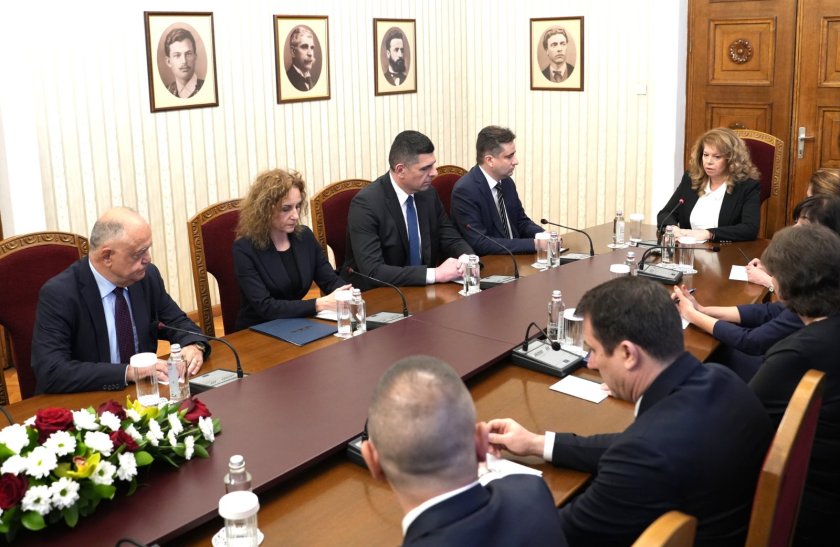
The fifth round of consultations was held with “Continue the Change”. The main focus of the talks with the President was the country’s financial situation, the forthcoming state budget, and proposed reforms in the judicial sector.
Assen Vassilev, Chair of the Parliamentary Group of “Continue the Change”: “The model of governance imposed by Borisov and Peevski must come to an end. Their security protection should be removed. The best safeguard is for incomes to grow faster so that people do not become poorer. This can be achieved by stopping leakages.”
Nikolai Denkov, MP from the Parliamentary Group of “Continue the Change”: “It is not enough simply to appoint a new Supreme Judicial Council or establish an anti-corruption commission. What matters is the people who fill these positions — they must not be susceptible to political or criminal influence.”
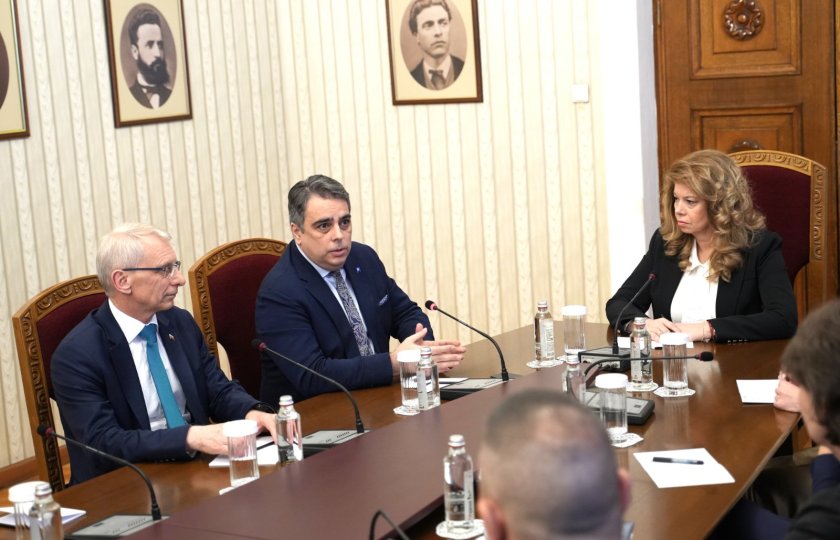
The final participants to arrive at Dondukov 2 were representatives of “Vazrazhdane”. They called on the Head of State to initiate a referendum on restoring the Bulgarian lev, to withdraw support for Ukraine, lift sanctions on Russia, and review carbon quotas. They expressed disagreement with “Progressive Bulgaria”.
Angel Slavchev, MP from the Parliamentary Group of “Vazrazhdane”: “I am personally shocked by what Galab Donev said — that they intend to take on new debt. We are heading down Greece’s path, towards a state bankruptcy. We believe consultations should be held on restoring the Bulgarian lev.”
Although the Constitution requires that consultations be attended by members of parliamentary groups, representatives of “Vazrazhdane” did not comply with this requirement.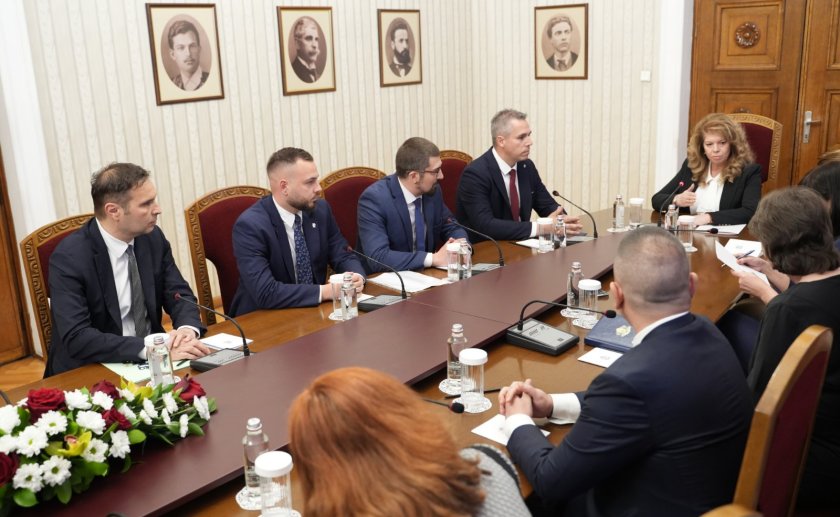
photos by Dessislava Kulelieva, BNT


 Central Election Commission: With 7.37% of Polling Station Protocols Processed, Iotova and Gyurov Head to a Run-off in Presidential Election on 1 November
 Илияна Йотова: Илюзия е, че ако не се гласува, можем да извършим промяна в страната
 Историческа победа за студентите, Вучич призна загубата си на парламентарните избори в Сърбия









 Чуй новините
 Подкаст