

Drivers from Serbia, Bosnia and Herzegovina, Montenegro and North Macedonia joined the blockade
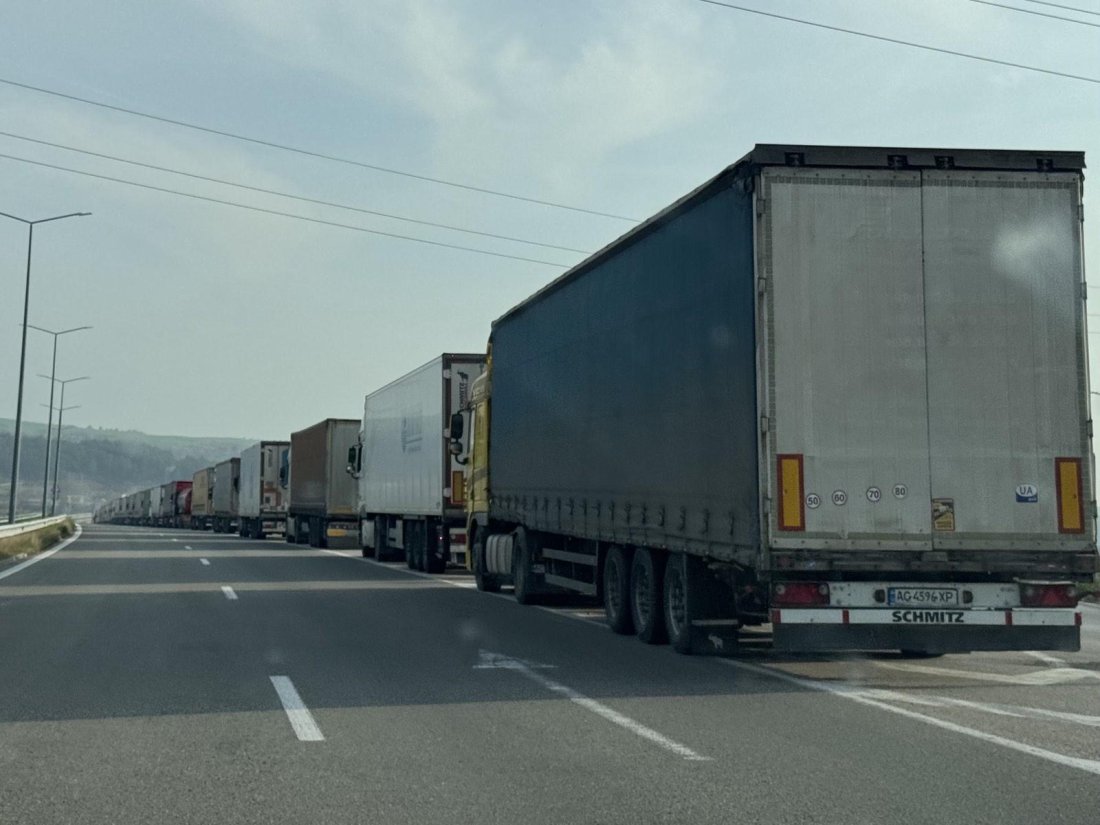
Truck drivers from the Western Balkans began a protest today, blocking Bulgaria’s borders with Serbia and North Macedonia as part of wider action at EU border points. The drivers are demanding the removal of the “90/180 rule,” which restricts professional drivers from third countries to 90 days of stay in the Schengen Area within any 180-day period.
Hours before the blockade at the Kalotina border crossing, international driver Goran said the restrictions did not affect him much, as he primarily operates within Bulgaria. “Will there be losses?” he was asked. “There will be, surely,” he replied.
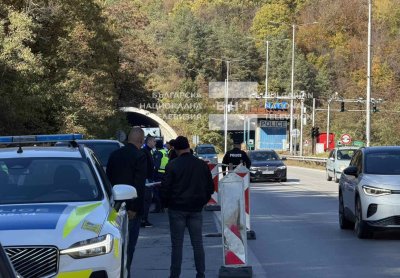
Shortly after 1:00 PM local time, Serbian drivers blocked one lane heading into Bulgaria at Kalotina. Milan, another international driver, said: “Professional drivers should not have the same status as tourists. These people are not tourists, they are professional drivers, they should be in the trucks and driving."
The protest targets the EU “90/180” rule, which limits the stay of third-country professional drivers to 90 days within 180 days. Participants include drivers from Serbia, Bosnia and Herzegovina, Montenegro, and North Macedonia.
Petar Čović from the Serbian Association of International Road Carriers said: “At midnight, we will close entry into Serbia so our drivers can return from the EU without the days counting against them. The protests aim to pressure the European Commission to find a solution for professional drivers, exempting them from the 90/180 rule and preventing penalties or deportation.”
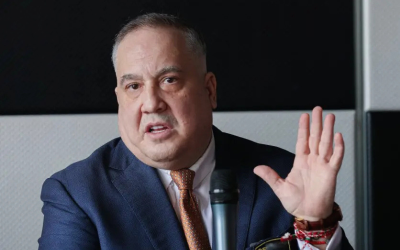
Nedždo Mandić, head of the Serbian association, added: “We are not blocking, Europe is blocking. Drivers exceeding 90 days are allowed to cross EU borders, only to be later stopped by police, stripped, treated like criminals, and deported, leaving trucks and cargo unsecured.”
Many drivers fear deportation and have already begun leaving their jobs, industry representatives said.
Truck driver Filip Stoyanov warned: “This rule endangers our economy and that of the entire Balkans. Drivers could lose jobs, transport companies could go bankrupt. We are limited to 90 days within 180 days while handling large import and export volumes. We are not tourists; we are professional drivers and must be treated differently.”
Many drivers fear deportation for violating the rule and are already quitting their jobs, the industry says.
Filip Stoyanov, truck driver:
“We are being restricted, and that puts our economy and the economy of the entire Balkans at risk. Drivers could lose their jobs, and transport companies could go bankrupt. This exposes us to enormous danger because we are only allowed to work 90 days within a 180-day period in the European Union, while we handle large volumes of imports and exports. We are a country that depends on imports – and, excuse me, I believe we also have a decent level of exports. This will affect even the European Union itself. We are not tourists, we are drivers, and we should be treated differently from tourists.”Ivan, truck driver:
“We reach the limit of allowed days very quickly, and after that we are no longer allowed to enter the European Union once our 90 days are used up. If we stay beyond those 90 days, we are deported like migrants. The truck remains in the EU, and then we have to look for another driver. But everywhere in the EU and here, there is already a shortage of labour and of drivers.”
For now, there are no queues of lorries at the border crossing with Romania near Vidin. However, drivers believe the blockade will lead to losses for the transport sector.
Stoil Todorov, truck driver:
“We have alternative routes, so I think the problem will not be that big. Yes, the tolls and the longer distance all add up. All of this is a minus for companies. The problems with waiting at borders and administrative procedures are very serious. Here we know there are no such issues. Even though the route is longer and the fees are higher, it is still better to pass through here.”“It obviously affects not only us, but everyone along the supply chain – from the people who sell the goods to those who receive them. It is one chain, and everyone in it suffers.”
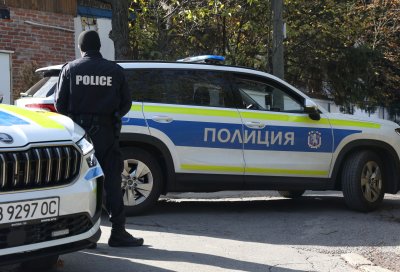
A blockade was also reported at the entry from North Macedonia into Bulgaria at the Stanke Lisichkovo–Delchevo border crossing, where after 1:00 pm heavy goods traffic was restricted. Passenger vehicles are moving freely at all border points, Bulgaria’s Border Police said.
Chief Commissioner Anton Zlatanov, Director of the General Directorate Border Police:
“At this stage, there will be no movement of freight traffic, of trucks, through the border checkpoints with the Republic of Serbia and the Republic of North Macedonia. There are no plans, and we have no information, that the corridors used by passenger vehicles, tourists, families, and citizens will be blocked.”
The EU’s new Entry/Exit System is scheduled to come into force on 10 April.
Domestic Milk Production Down by 25%, While Imports of Milk and Dairy Products Rise by 43%
Prices of Goods in the Small Consumer Basket Rose by 1.3% in January, Says CITUB