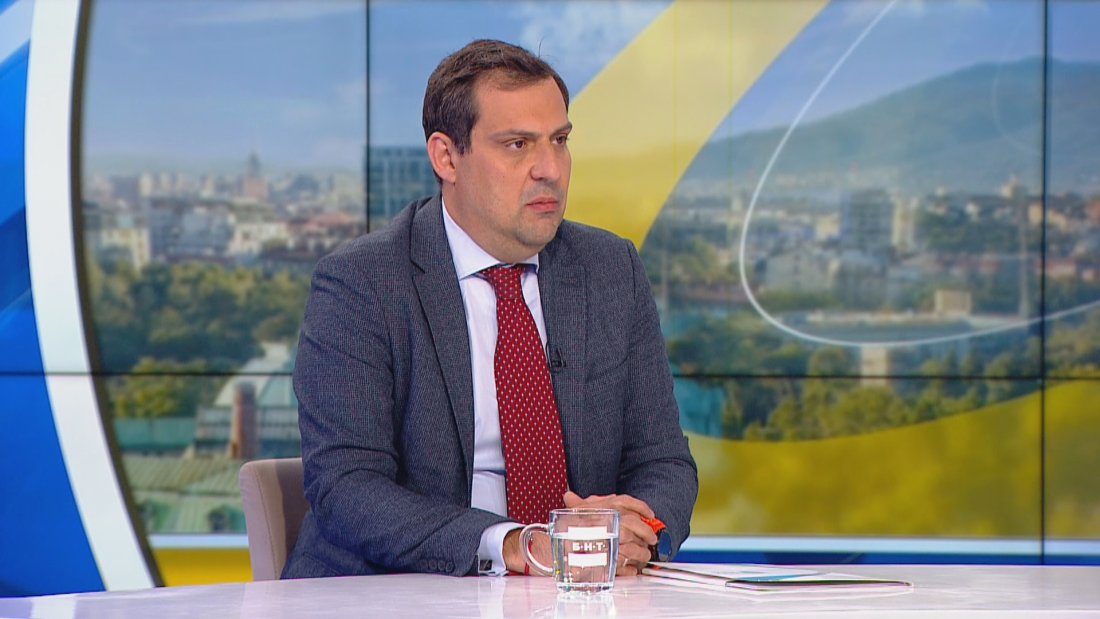
The situation on global oil markets is changing dynamically, and the main concern is no longer the price of fuel, but the security of supplies, Svetoslav Benchev,chairman of the Bulgarian Petroleum and Gas Association, told BNT's morning show on May 12.
According to him, the risk of supply disruptions is increasing amid continued geopolitical tensions.
Benchev stressed that the situation is changing dynamically and forecasts are quickly becoming outdated. According to him, the market is already entering a stage where the issue of prices is giving way to that of security of supply.
"In my opinion, we are already entering a period where we have to think seriously, not so much about prices, but about what will be available in terms of supply," Benchev said.
He noted that reserves are being used to stabilise the market, but warned that they cannot solve the problem in the long term, particularly if tensions continue in key regions.
“Reserves have been released and continue to be released. In fact, this morning I heard that President Trump had authorised the release of additional US reserves in order to control prices. But while the Strait of Hormuz remains closed, the situation remains deeply concerning, because those reserves are beginning to run out,” he said.
Svetoslav Benchev warned that a prolonged blockade could create serious supply difficulties in certain regions.
“If the strait is not reopened within a month, we are already seeing problems with kerosene supplies in Asia. Around 50% of flights there are now under question, while Europe is beginning to experience shortages. If this continues, it will affect other products as well. In other words, by the end of June or the beginning of July, this issue will need to be resolved if Europe is to avoid problems, although it is difficult to make firm predictions,” the expert added.
He added that with such a development, pressure on the market would gradually spread to other energy products as well.
Svetoslav Benchev also commented on the role of futures markets, noting a growing discrepancy between market expectations and actual prices on the physical market.
“If you ask me, the markets are actually too optimistic. What we have been seeing recently is a serious gap between the futures markets — because the prices we are seeing are for delivery in three or four months’ time — and what is actually being bought today in real terms. There has always been a correlation, but now the difference is substantial. If futures are showing 100 dollars per barrel, Norwegian oil was being sold for 155 dollars per barrel. Iraqi oil that managed to pass through the blockade was sold for 140 dollars per barrel. In other words, the real prices are significantly higher,” Svetoslav Benchev said.
According to him, even if the military conflicts were to end, price pressures could remain because of rising risk premiums and insurance costs.
“I expect the premiums paid in addition — which include insurance and additional risk costs — will definitely increase,” Svetoslav Benchev emphasised.
He also commented on the domestic fuel market, noting a rise in petrol prices.
“There has been an increase of around 2% to 2.5% in petrol prices, driven by higher demand and seasonal summer price growth,” he said.
According to him, diesel prices remain more stable due to its consistently steady pattern of consumption.
.








 Чуй новините
 Подкаст