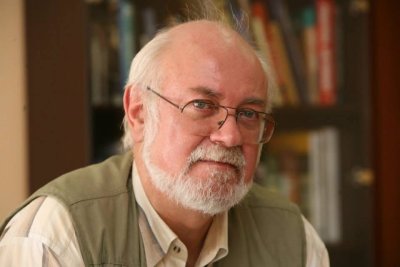
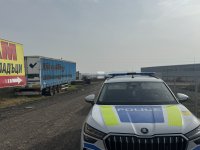
Professor Spas Tashev’s book 'The Dispute over the Macedonian Bulgarians' was presented at the European Parliament in Brussels. The historical study traces the fate of Bulgarians who remained in the territory of what is now the Republic of North Macedonia (RNM) after the Second World War.
The event was organised by MEP Ivaylo Valchev of the European Conservatives and Reformists (ECR) Group. Those attending the presentation included Bulgaria’s Ambassador to Belgium, Natalia Uzunova, Bulgarian and foreign MEPs, as well as Macedonian and Bulgarian representatives, among them Hristiyan Pendikov, former secretary of the now-dissolved Tsar Boris III association.
There are few historical documents recording the fate of Bulgarians who remained within the borders of what is now the Republic of North Macedonia after the Second World War. Professor Spas Tashev has drawn on the archives of the Macedonian Patriotic Organisations, which became members of the Federal Union of European Nationalities in 1954, an organisation that remains active today.
Prof. Spas Tashev, author of The Dispute over the Macedonian Bulgarians:
“As a result of the cooperation between the two organisations, in 1955 the Federal Union adopted a resolution recognising the presence of Bulgarians in Macedonia and noting that their rights were being violated. The resolution was sent to the United Nations, the Council of Europe and various European governments. In other words, we have a finding documented at the highest European and international levels, dating from after the Second World War, which records the presence in Macedonia of Bulgarians who had been deprived of their human rights.”
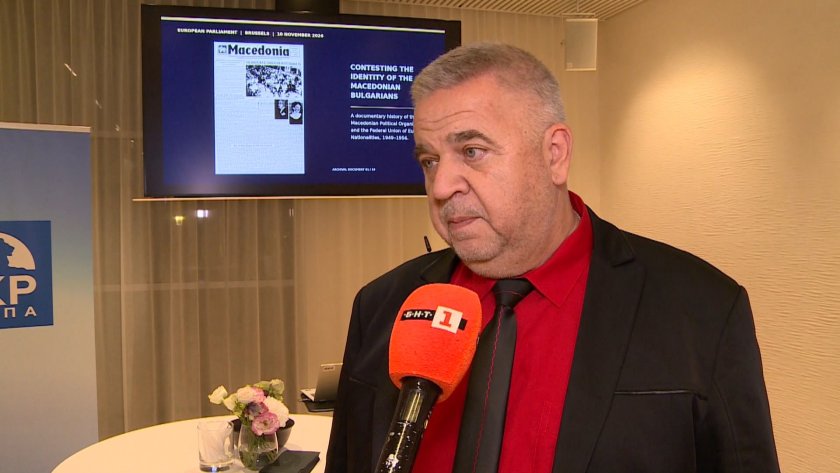
Tashev believes that, in post-war Europe, a number of European countries refused to support the rights of Macedonian Bulgarians in order to avoid a conflict with Yugoslavia, which was an important factor in the Cold War.
Prof. Spas Tashev, author of The Dispute over the Macedonian Bulgarians:
“These political interests prevailed, leading to a reassessment of Europe's position and the adoption of a policy of supporting Yugoslavia in the destruction of the Bulgarian community. We are still seeing the consequences of that policy today. Sixty years after that period, the rights of Bulgarians in North Macedonia are once again on the EU's agenda.”
According to Tashev, Europe does not understand Bulgaria's position because it is not being actively defended.
Prof. Spas Tashev, author of 'The Dispute over the Macedonian Bulgarians':
“One example I can point to is the breakthrough Skopje managed to achieve through the statement by Austria's ambassador to North Macedonia, who said that the protocols could not form part of the EU negotiating framework, even though these protocols are explicitly mentioned in the French proposal. Skopje is extremely active in its lobbying efforts, including lobbying MEPs. At the same time, I say with regret that Bulgaria is an extremely passive country and has not allocated the necessary funds to pursue its national interests.”
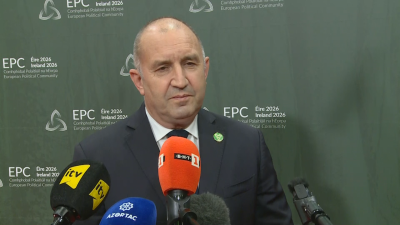
Hristiyan Pendikov, who was beaten in Ohrid three years ago, is calling on Europe to issue tougher reports on the Republic of North Macedonia.
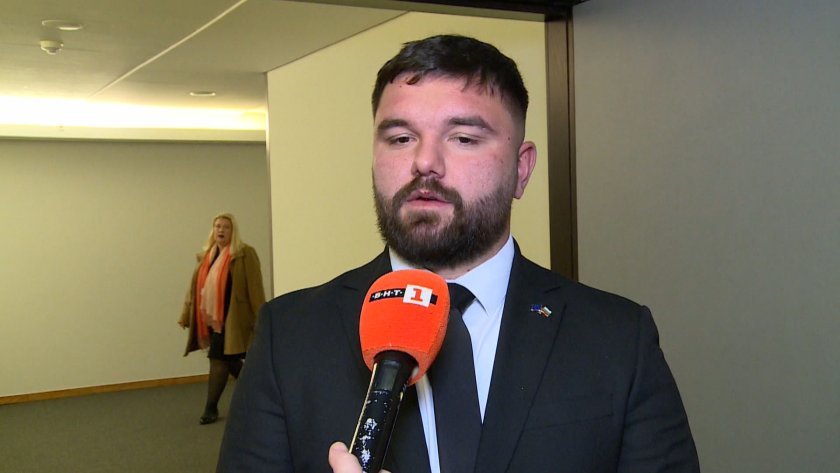
Hristiyan Pendikov, a Bulgarian activist in the Republic of Macedonia: “The court recently acquitted the people who beat me up, despite all the evidence that was presented. This shows that no matter what they do to Bulgarians—no matter how much they beat us, no matter what they do to us, those responsible will ultimately remain free. This is one of the reasons why trust in the justice system in the Republic of North Macedonia stands at less than 2%.”
Bulgarians in the Republic of North Macedonia believe that the government in Skopje has no intention of bringing the country into the EU.
Iliya Stoyanovski, an ethnic Bulgarian from North Macedonia living in Sofia:
“Apart from the problems we face as Bulgarians, I also speak to my friends – Macedonians living in the Republic of North Macedonia – who tell me: ‘You're lucky, not because you moved, but because you were evacuated to Sofia. They are having a very difficult time. Corruption is rampant, the judicial system is in collapse, cases are fixed, not to mention the pollution. Skopje is one of the most polluted cities in Europe. Nothing that needs to be done to bring the Republic of North Macedonia closer to European standards is being implemented."
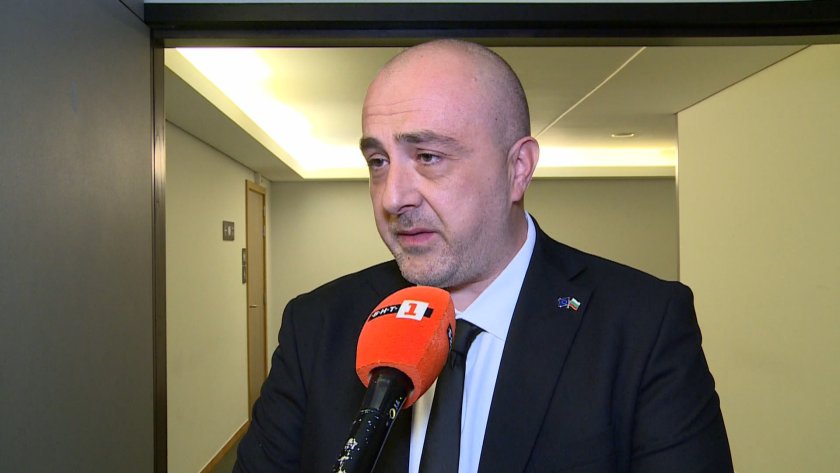
For Spas Tashev, the main message from the past that needs to reach MEPs is that Skopje could become Moscow's Trojan horse within the European fortress.







 Чуй новините
 Подкаст