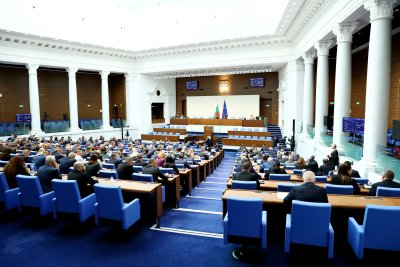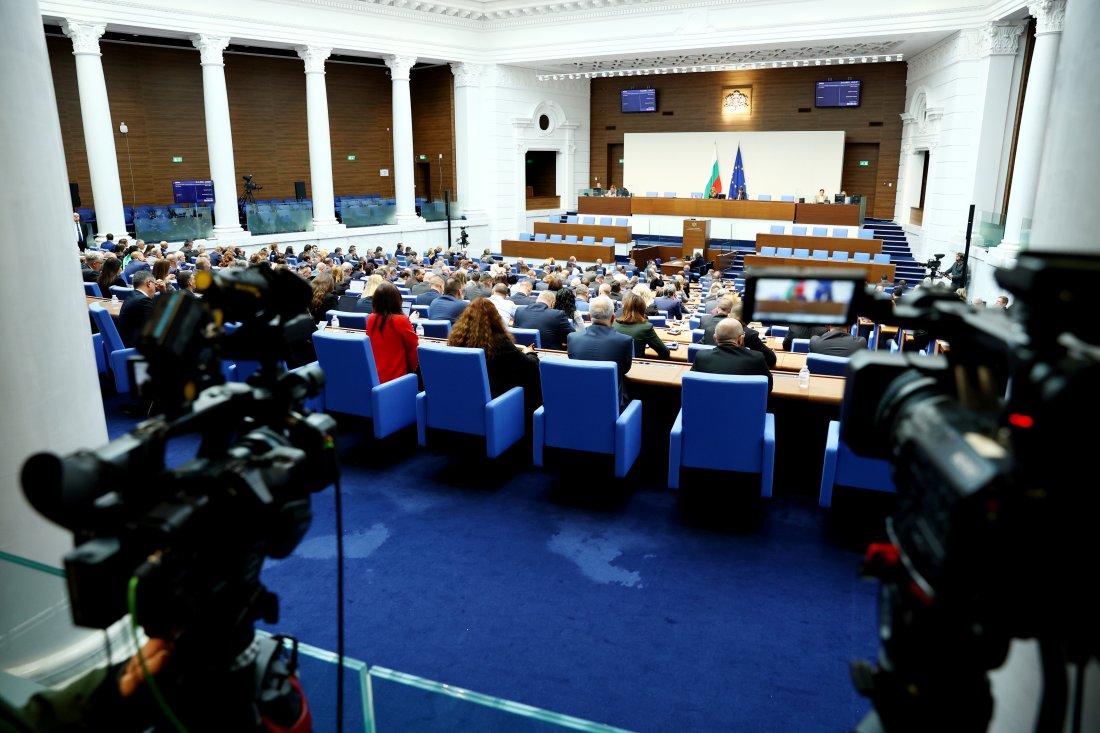
With an overwhelming majority, the National Assembly elected its representatives to the Supreme Judicial Council (SJC). The vote comes exactly four years and two months late. Most of those elected received the backing of all parliamentary groups except Vazrazhdane.
Despite voting in favour of many of the proposed candidates, GERB and the Movement for Rights and Freedoms (MRF) declared that the outcome had been predetermined through secret agreements between the ruling majority, Democratic Bulgaria (DB) and We Continue the Change (WCC). Progressive Bulgaria responded that the procedure had been conducted publicly in order to elect a new SJC free from undue influence.
The Gordian knot in the justice system is finally being untied. The new permanent composition will be able to appoint a Prosecutor General, a position that has remained vacant for more than three years, as well as a President of the Supreme Administrative Court (SAC), a position that has been vacant for exactly two years. All other judicial appointments across the system will also be able to move forward.
Eight of the candidates received the support of more than 220 MPs. At the last minute, GERB and MRF, which had not put forward candidates of their own, announced that they would support many of those regarded as frontrunners.
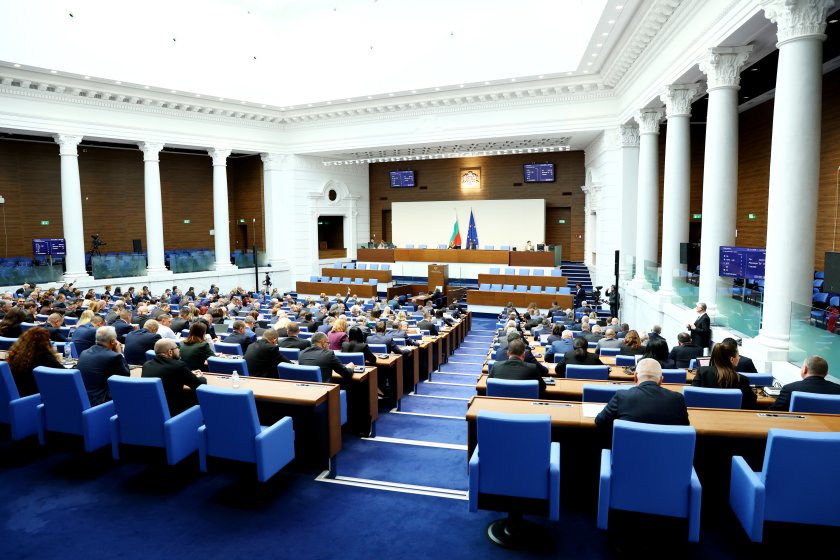
In the judges' college, former caretaker Minister of the Interior and Deputy Justice Minister in three governments, Judge Emil Dechev, was elected with the lowest number of votes. He was backed only by Progressive Bulgaria, Democratic Bulgaria (DB), which had nominated him, and We Continue the Change (WCC). Tanya Radulovska was elected with slightly greater support and also received backing from the Movement for Rights and Freedoms (MRF). The remaining four candidates – Ivan Ranchev, Kalin Batalski, Petyo Slavov and Tsvetko Lazarov – also secured the support of GERB, thereby entering the judicial appointments body with backing from more than 220 MPs.
Support for those elected to the prosecutors' college was even more impressive. Andrey Yankulov was the only candidate who did not receive the backing of MRF. He was therefore elected with 203 votes from the governing party, from DB, WCC and GERB. The other four candidates – Veselin Vuchkov, Ekaterina Getova, Ivan Kalibatsev and Krasimir Komsalov – also received DPS support, securing their places on the council with more than 226 votes – a consensus-based majority.
In response to allegations of secret agreements, Progressive Bulgaria said there had been nothing secret about what it described as the most transparent procedure for electing a new Supreme Judicial Council. The process is, in fact, due to conclude tomorrow, when the investigators are to elect their representative, who will occupy one of the seats in the professional quota.
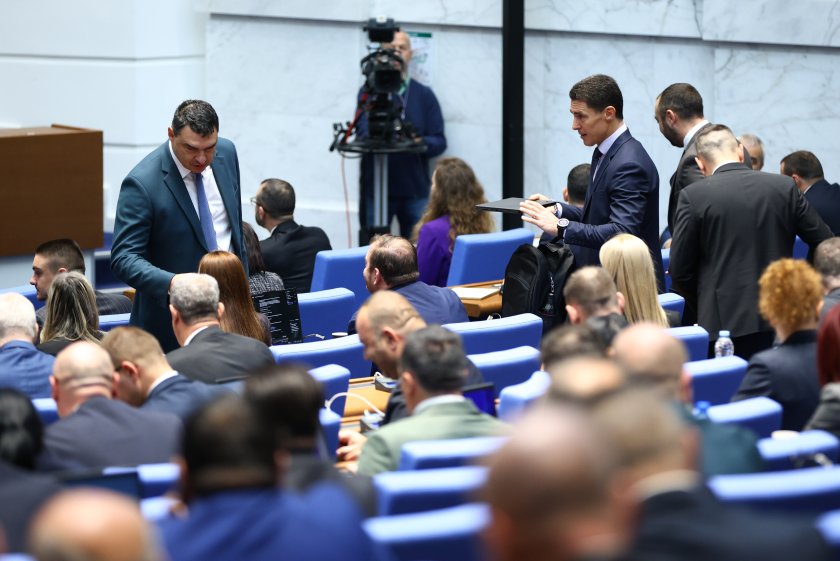
Amid claims that the outcome had been decided in advance, GERB and MRF unexpectedly announced at the start of the session that they would support a large number of the candidates for the Supreme Judicial Council. Each had its own reasons.
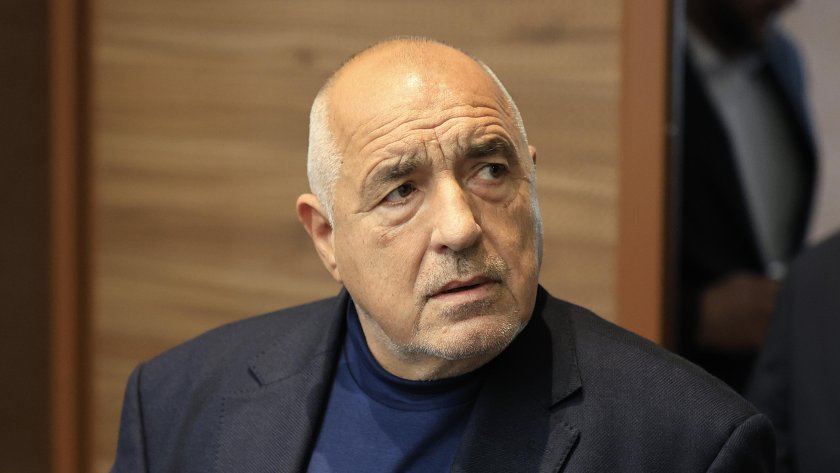
Boyko Borissov, GERB leader: "I listened to what those in the new assemblage were saying – WCC-DB, together with the supposedly pro-Russian party, the pro-Russian government, the pro-Russian Prime Minister and the pro-Russian President. So we are taking part in all the votes. We will support all the professionals whose names Raya [Nazaryan] read out to the parliamentary group this morning. There are 12, 13, 14 people who deserve our support."
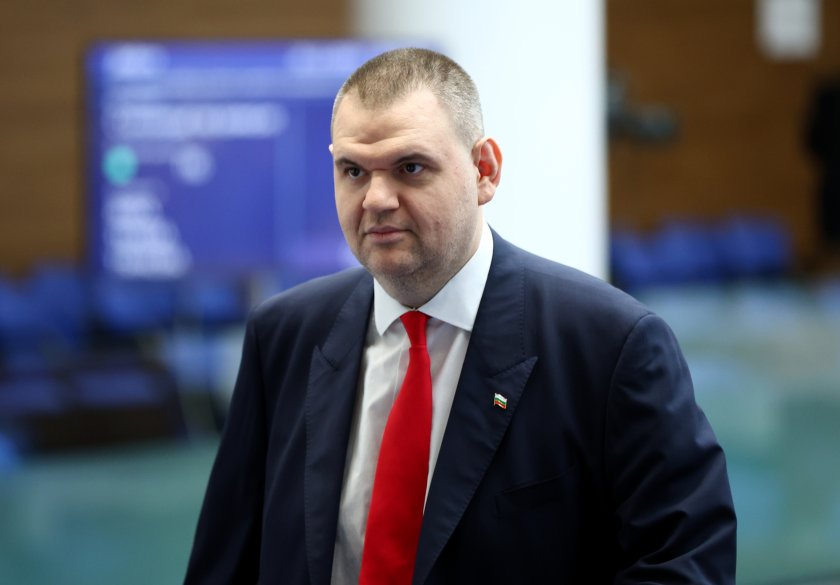
MRF claims that the governing party, together with DB and WCC, have arranged a fixed match. According to Delyan Peevski, responsibility for the judiciary should now rest squarely with what he called the 'new assemblage'.
Delyan Peevski, MRF leader: "We will support all the candidates except Dechev, for reasons that are easy to understand. We are deeply troubled by everything his wife has said about him. And Yankulov – the man who put pressure on the institutions over Petrohan [case], providing "umbrella" for Petrohan. This is absurd."
Everything has been agreed between the governing party, WCC and DB. This is their Supreme Judicial Council, I stress. Hamid Hamid was the first to open the debate in the chamber, reading out the names of those who would be elected to the new composition of the Supreme Judicial Council.
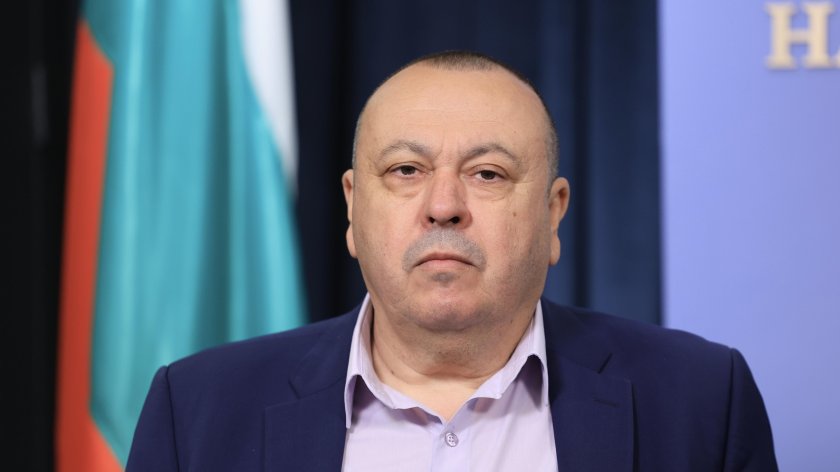
Hamid Hamid, Deputy Chair of the MRF Parliamentary Group: "Some particularly interesting back-and-forth shuttles were observed in the corners and corridors of Parliament, as well as clandestine meetings and secret gatherings in certain offices."
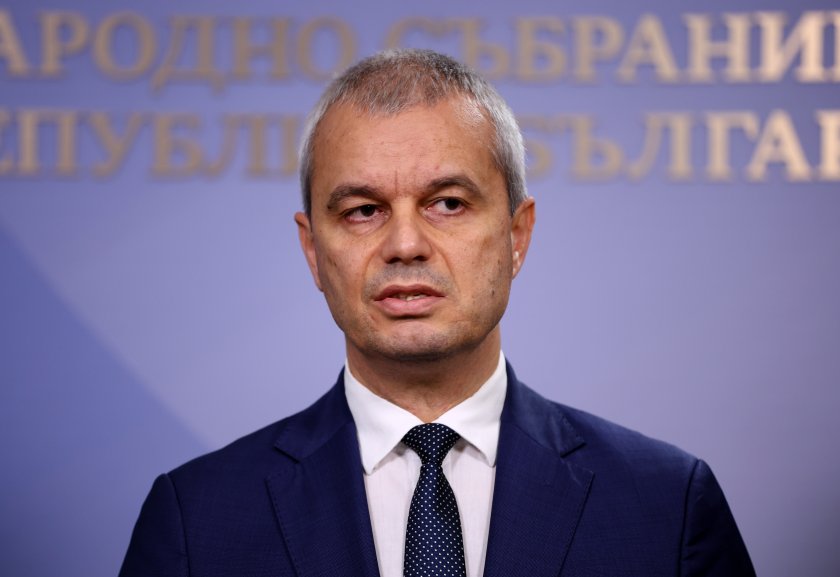
Kostadin Kostadinov, leader of Vazrazhdane: "If I may quote Bulgarian Prime Minister Rumen Radev, who during the election campaign spoke of incest, referring to the relationship between GERB and MRF on the one hand and WCC-DB on the other. In practice, we are witnessing the same thing all over again, only this time the incest is between WCC-DB and Progressive Bulgaria."
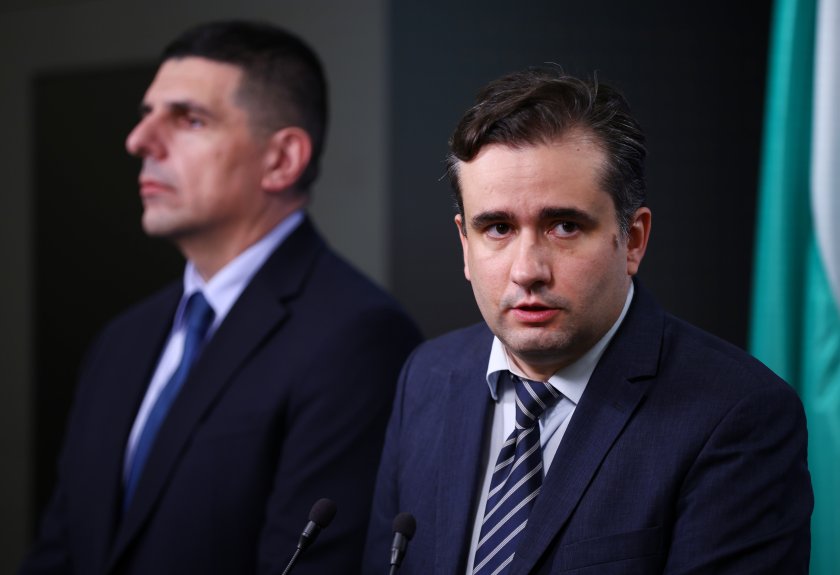
Bozhidar Bozhanov, MP from the Democratic Bulgaria Parliamentary Group: "Everything that is happening in this Parliament, and what will take place in this chamber today, is the fulfilment of the clearest commitment made by many parties in this Parliament to Bulgarian voters at the latest parliamentray elections. That commitment was to elect the Supreme Judicial Council without the votes of GERB and MRF."
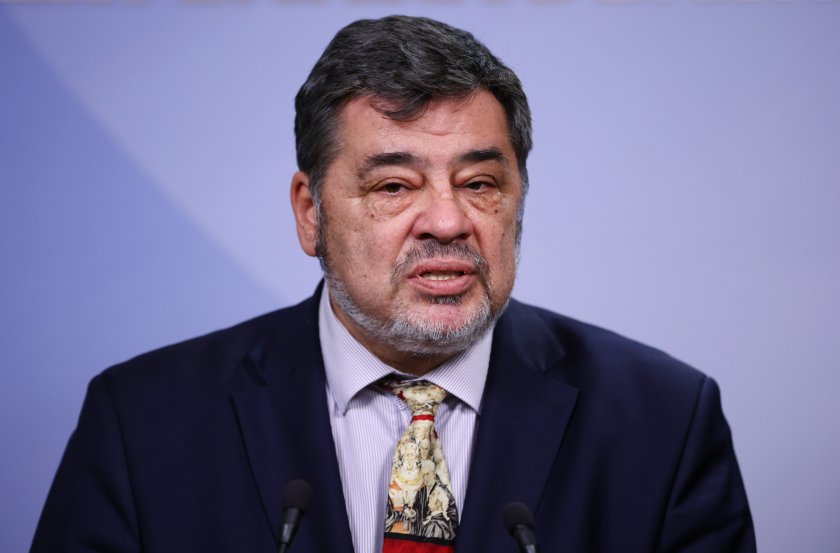
Velislav Velichkov, MP from the We Continue the Change Parliamentary Group: "You get 160 votes through discussions. And we set aside 38 hours to hear the candidates precisely so that we could have those discussions. No one is striking deals in corners or corridors, Mr Hamid."
Anton Kutev, MP from the Progressive Bulgaria Parliamentary Group: "This is in no way a case of incest. Progressive Bulgaria was elected with a very substantial majority, not least because of the need for action and tangible results. A huge proportion of the votes we received were cast in the hope that changes would be made in Bulgaria and in the country's judicial system."
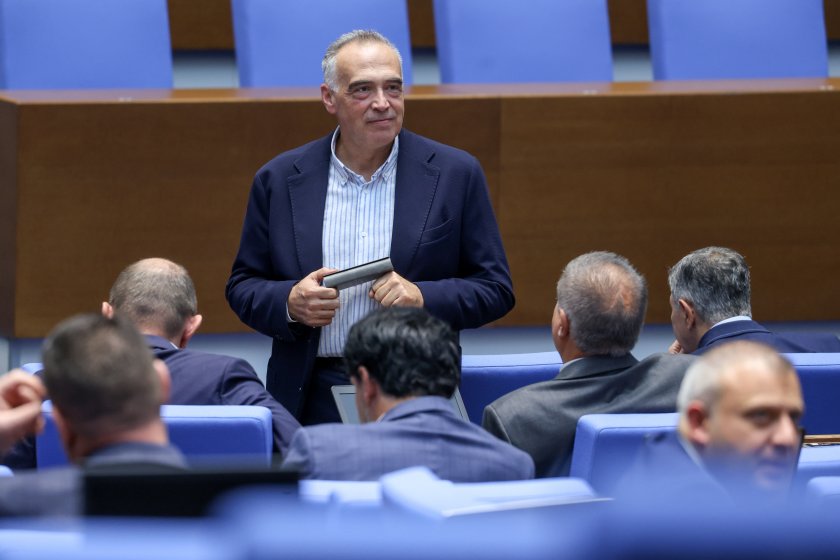
Parliament first elected the six members of the Judges' College of the Supreme Judicial Council, with the ruling majority's candidates receiving overwhelming support of more than 220 votes, including votes from GERB and MRF. Emil Dechev was backed only by Progressive Bulgaria, Democratic Bulgaria (DB) and We Continue the Change (WCC), while Tanya Radulovska also received the support of MRF. The five members of the Prosecutors' College were elected with even greater support, with MRF voting against only Andrey Yankulov.
Delyan Peevski, MRF leader: "I must acknowledge the skill of the ruling, Progressive Bulgaria, in catching two little fish – not goldfish – WCC and DB - using quite a big bait and now put them in a fishbowl. they gave them four seats.
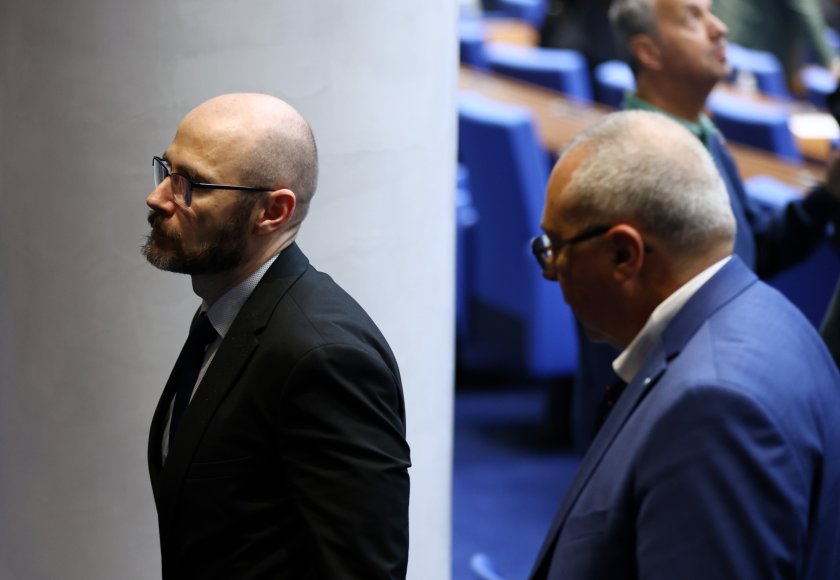
'Vazrazhdane' was dissatisfied with the outcome, as its candidate, Tsveta Rangelova, did not receive support.
Kostadin Kostadinov, leader of the Vazrazhdane Parliamentary Group: "Progressive Bulgaria has once again deceived its voters. It has demonstrated an exceptionally low level of political culture. They have shown political immaturity, for which they will pay an extremely high political price."
GERB linked its support to the need to elect a new composition of the SJC.
Raya Nazaryan, MP from the GERB-UDF Parliamentary Group: "Today, once again, through our vote, we demonstrated our sense of responsibility and how important it is to renew the composition of the Council and ensure the normal functioning of the judiciary, with the SJC fully exercising its powers."
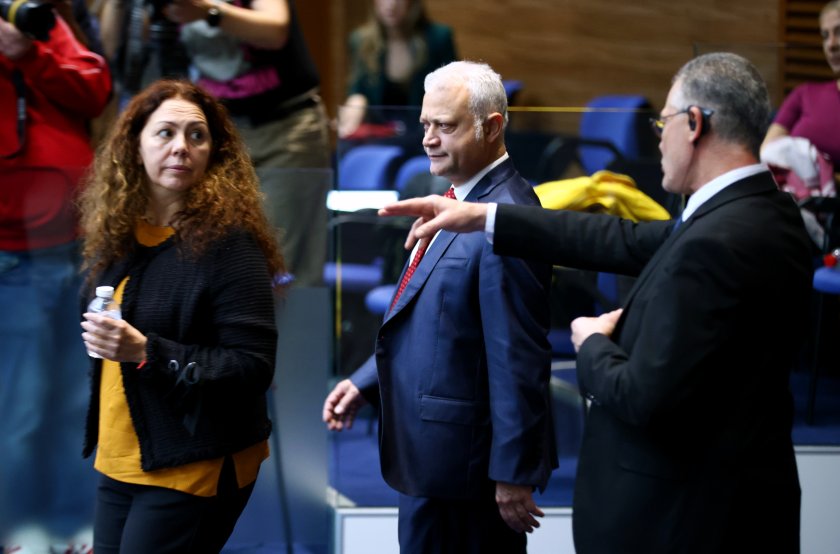
DB and WCC said they had achieved their objective: ensuring that the election was not dependent on GERB and MRF.
Nadezhda Yordanova, Chair of the Democratic Bulgaria Parliamentary Group: "Without the involvement of Borissov and Peevski. We believe that, through this election, the 52nd National Assembly will remove – and is removing – a major obstacle to the need for genuine and far-reaching judicial reform."
Miroslav Ivanov, MP from We Continue the Change: "I sincerely hope that those elected to the new composition of the Supreme Judicial Council will have the strength to withstand the pressure that will undoubtedly be brought to bear on them by various circles of influence."
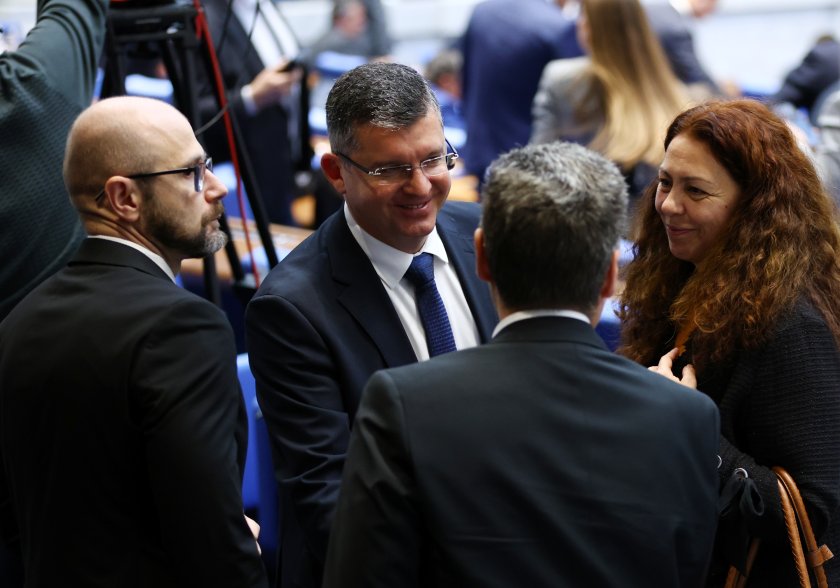
The ruling party denied any backroom deals and reiterated that the procedure had been transparent and conducted in the eyes of the public.
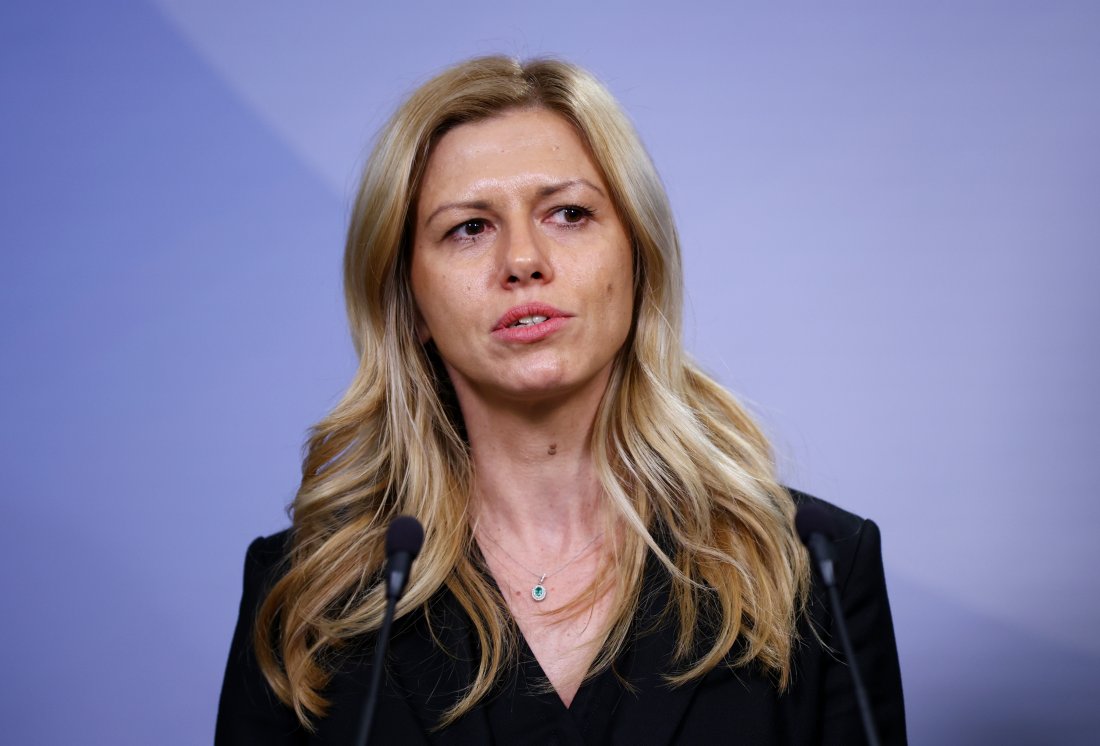
Mihaela Dotsova, Speaker of the National Assembly: "For the first time, the procedure for electing members of the Supreme Judicial Council from the National Assembly quota allowed civil society organisations, individual citizens and the academic community to put forward proposals and nominate candidates."
Photos: BTA, BGNES
Dotsova added that electing the members was one of Parliament's primary responsibilities.


 Bulgaria to Receive Final Recovery and Resilience Plan Payment by the End of the Year
 Ahead of Election of Members to the Supreme Judicial Council: GERB Accused We Continue the Change and Democratic Bulgaria of Negotiating with the Ruling Party
 SIGMA Platform Review Reveals Hundreds of Politicians Linked to Companies Awarded Public Procurement Contracts
 С впечатляващо мнозинство: НС попълни квотата си във ВСС с кандидати на ПБ, ПП и ДБ
 В специално интервю за БНТ албанският премиер Еди Рама коментира Балканите, Европа и протестите в Албания










 Чуй новините
 Подкаст