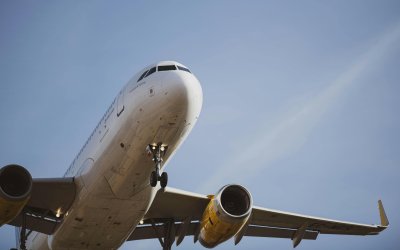

More than 25 aircraft faced bomb threats across Europe today, November 5. Flights operated by various airlines and travelling to destinations across the continent were diverted, escorted and forced to land. European Commissioner for Transport Apostolos Tzitzikostas said there was no evidence that the bomb threats were linked, but they come amid warnings of an increase in hybrid attacks across Europe.

For many passengers in Europe today, air travel became a journey with an unknown destination.
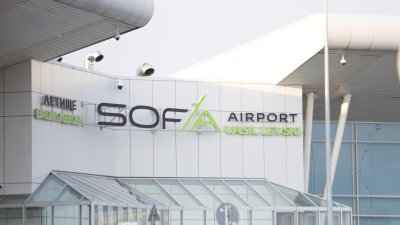
Four planes in Prague, three in Madrid, as well as others in Bucharest, Rome, Vienna and Brussels – airlines across Europe, both low-cost carriers and national airlines, were targeted. NATO fighter jets were scrambled in several countries, only for it to emerge later that the bomb threats were not genuine.
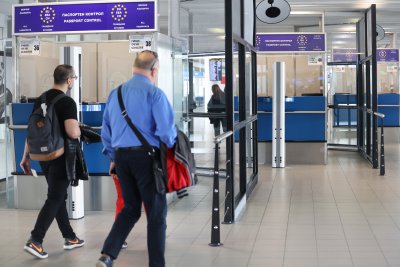
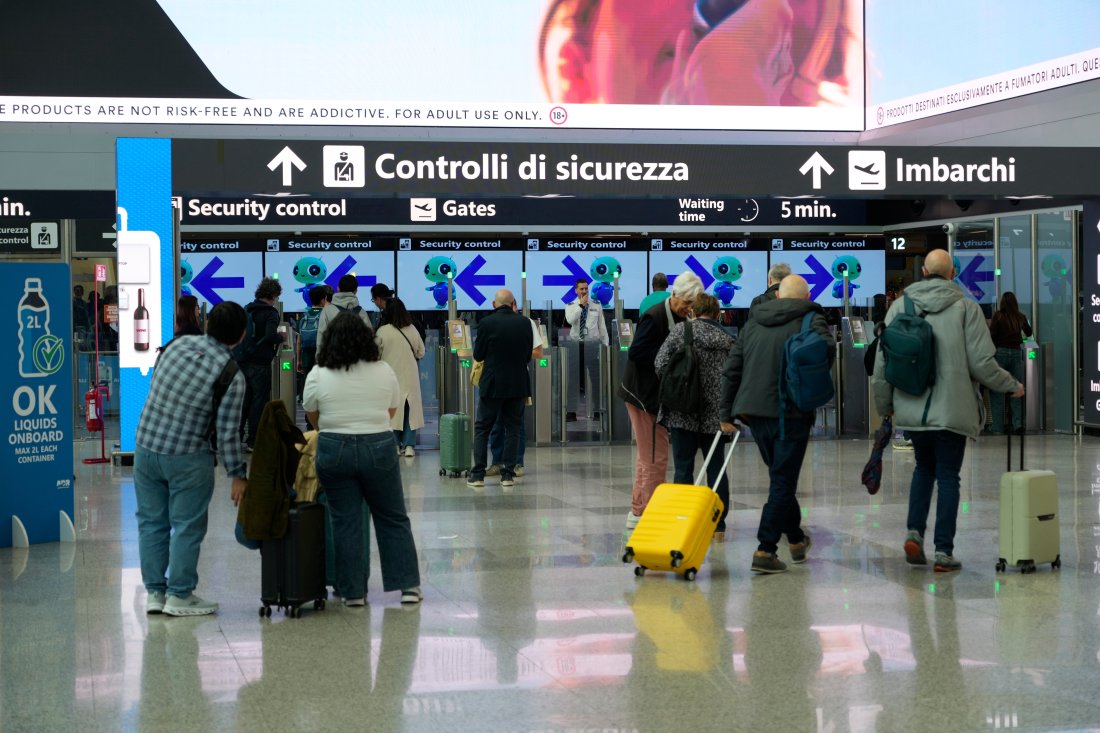
At Rome's Fiumicino Airport, some passengers remained calm, while others gave in to their anxiety.

Gabriele Francese: “No, we are not going to cancel our plans. You shouldn't worry too much about every piece of news. If the plane crashes, so be it. If it is meant to happen, it will happen anyway.”
Natalia Lobo, tourist from Brazil: “It is worrying. The security situation in Europe as a whole is worrying, and it is frightening to be here. But everything is under control. I think.”
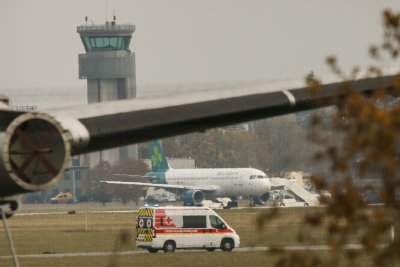
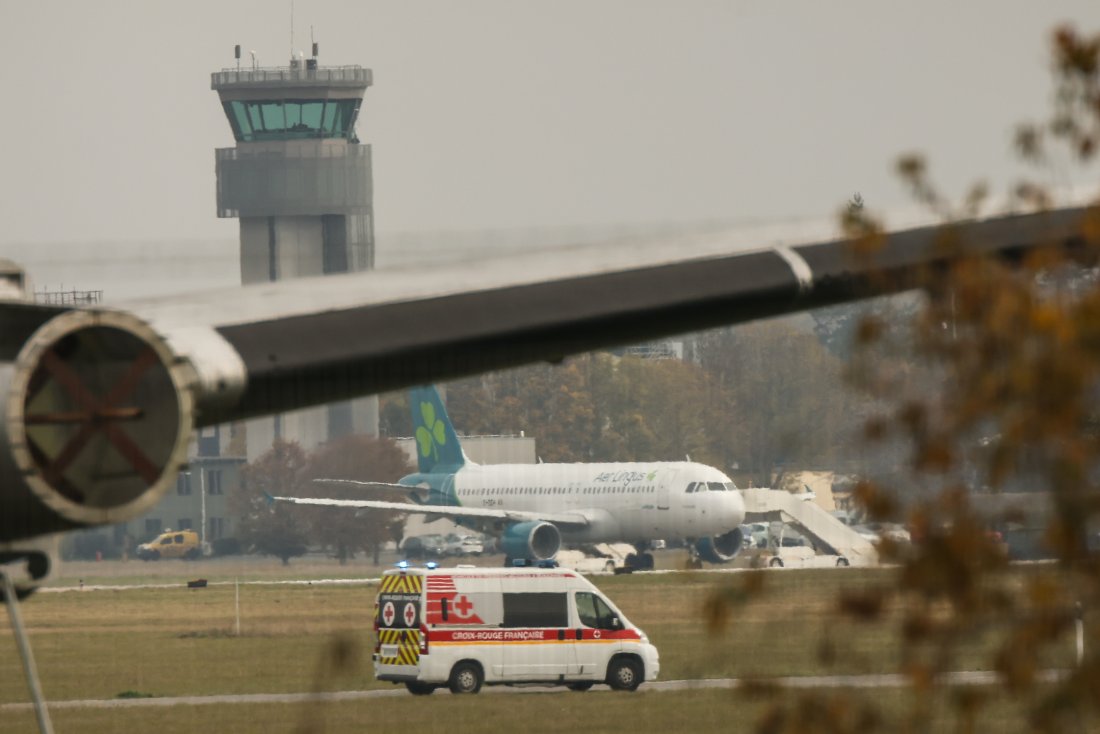
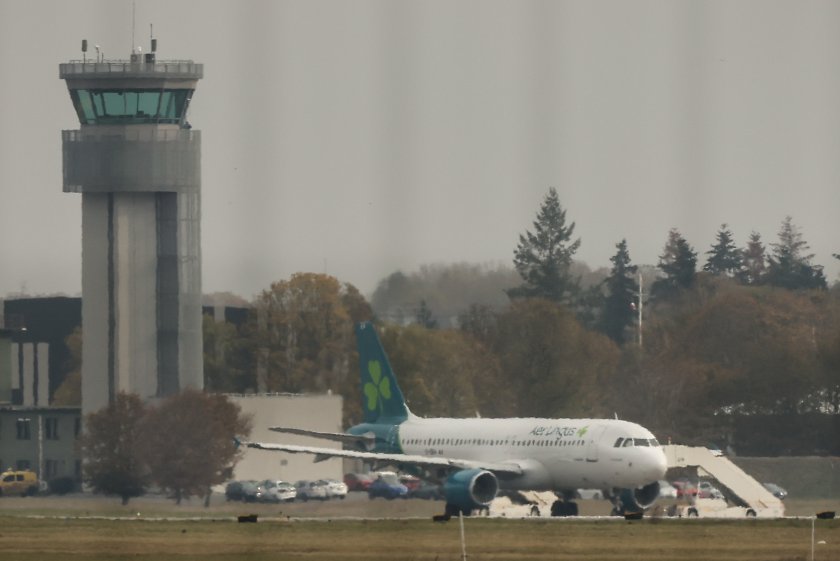
A flight-tracking service showed an Aer Lingus aircraft travelling from Dublin to Rome circling above airports in France before making an emergency landing at Évreux.
Michel Polacco, aviation and space journalist: “The aircraft is diverted to the nearest available airport, in this case Évreux, which is a military airfield. Once the aircraft has landed, bomb disposal experts take over.”
Video footage filmed by a passenger aboard a LOT Polish Airlines aircraft shows people calmly evacuating the plane, despite being met by sniffer dogs and bomb disposal experts.
“The costs for airlines are enormous. They have to pay for diversions and additional fuel. We have also seen drones detected near airports in the past, causing the same problems – airport closures and diverted flights. This costs the industry a great deal of money.”

Photos: BTA
Most bomb threats occur in countries that support Ukraine, according to aviation experts.
“We need to inform the public that hybrid warfare is a reality in Europe and that we must be prepared. Procedures for aviation security are already in place, but hybrid attacks are something new for the aviation industry, and we need to learn how to deal with them.”
Denmark, Poland, and Romania, which were affected today, have already directly blamed Moscow for the chaos at their airports.
A 24-Year-Old Man from Kameno Forced People to Take Out Loans, Then Threatened and Beat Them
Aviation Expert Todor Ivandzhikov: Hybrid Warfare Has Reached the Skies, but Air Travel Remains Safe for Passengers
Minister of Agriculture: Bill to Regulate Large Retail Chains to Be Submitted to Parliament by the End of the Year
Two Drug Labs Uncovered During Special Operations in Burgas Region in a Single Day; Five Arrested
Over 600 kg of Sheep Tallow and Dairy Products Seized at Kapitan Andreevo Border Checkpoint
Самолетен билет с неизвестна дестинация: Заради бомбени заплахи над 25 самолета бяха приземени в Европа
Скокът в цените: Милион и половина българи с доходи под необходимия минимум за нормална издръжка
Есента на френското недоволство: Отново протести и сблъсъци с полицията в цялата страна