The government is proposing a 13.4% increase in the threshold, while the trade unions are insisting on a change in the methodology
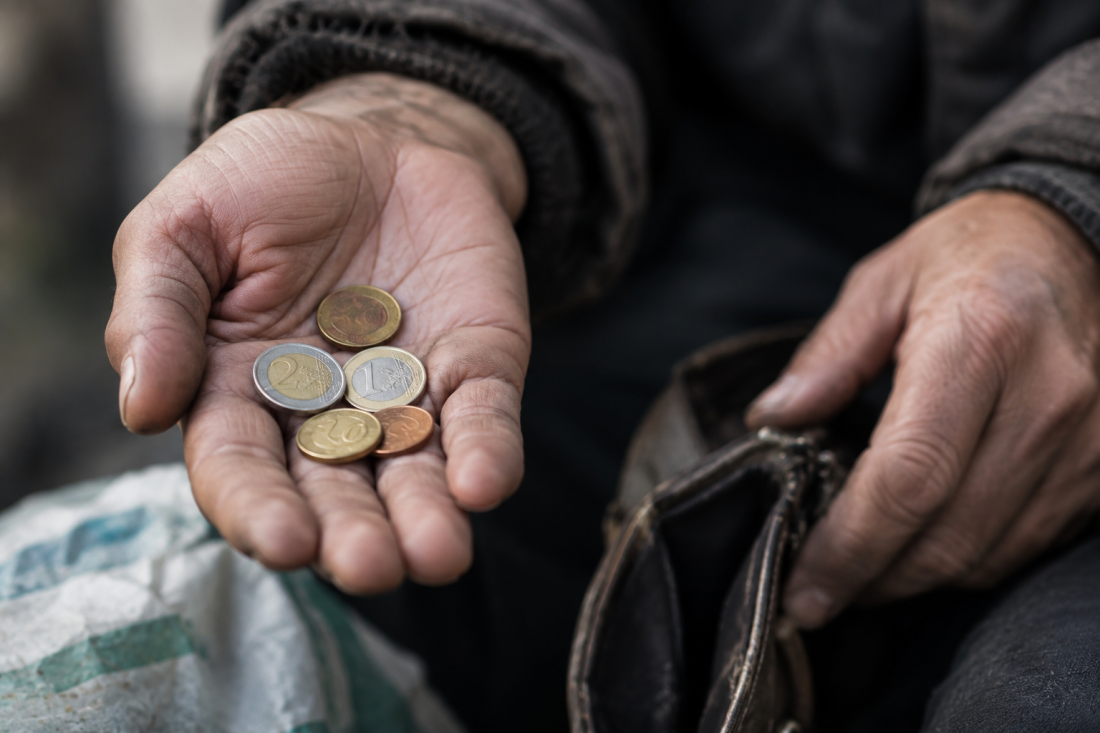
More than 21% of Bulgarians live on less than €390 a month. This is the official poverty line in Bulgaria this year. The government has proposed increasing it by 13.4% from 1 January. The National Council for Tripartite Cooperation supports the increase, but trade unions want the methodology used to calculate the poverty line until 2019 to be reinstated. The level of the poverty line determines increases in social assistance for around 82,000 people and monthly financial support for around 800,000 people with disabilities.
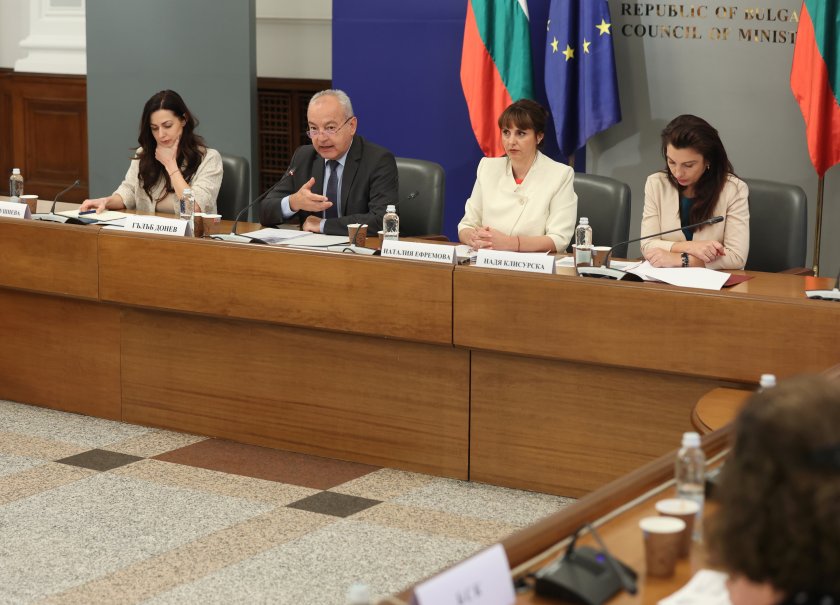
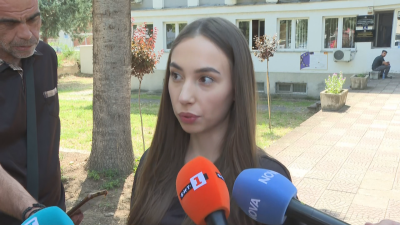
More than 1.36 million Bulgarians live on an income at or below the poverty line. One of them is Aneta Petrova from Blagoevgrad. She is unemployed and searches for scrap metal in rubbish bins to earn a little money.
Aneta Petrova: “Today we sold some for €2, that's what we managed to earn. It doesn't go very far – whether you need to buy bread or something for the children. If I don't ask people to give me something, there is no one who will.”
She performs community service in exchange for social assistance. She has also been approved for targeted heating assistance. An income below the poverty line is one of the criteria for receiving it. So, if the threshold rises next year, more people may become eligible for energy assistance. The Tripartite Council backed the government's proposal to increase the poverty line, but trade unions want the previous methodology for calculating it to be restored.
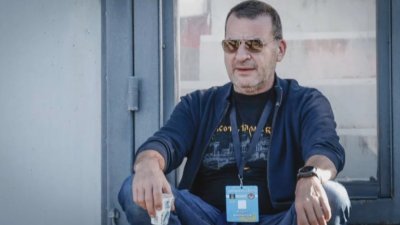
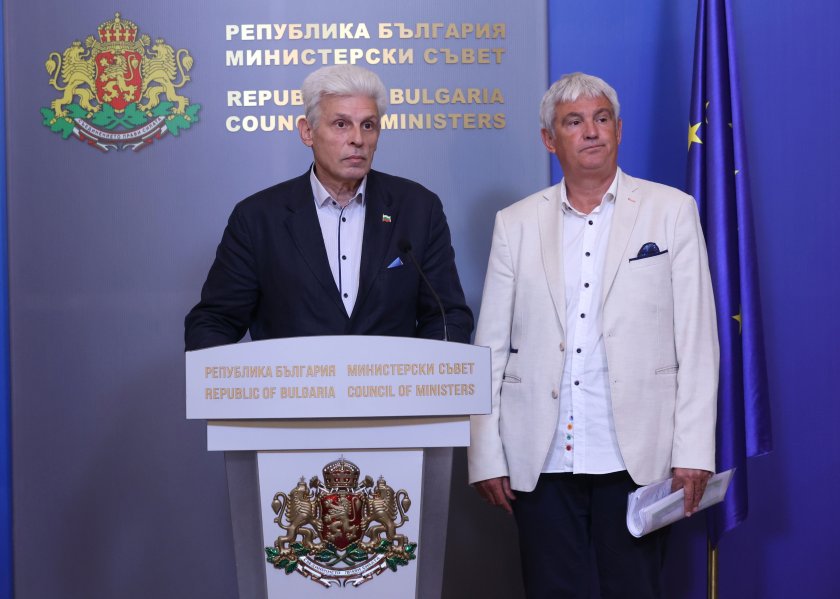
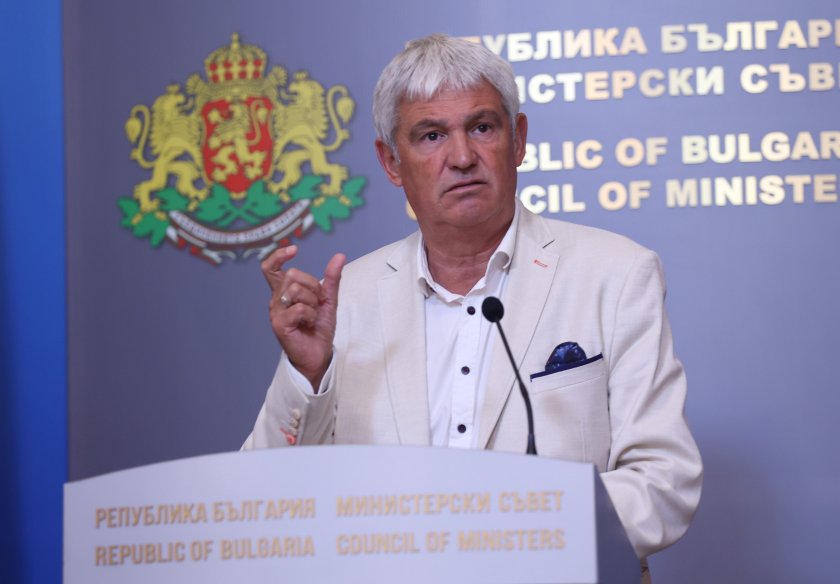
Plamen Dimitrov, President of President of the Confederation of Independent Trade Unions in Bulgaria (CITUB): “We want to restore the methodology that does not take us three years back to determine the poverty threshold for 2027, but one that takes into account at least inflation for the preceding year. If this is taken into account, we said we would support the approach, but so far we have not heard confirmation that inflation will be taken into account.”
The Minister of Social Policy declined to speak to the cameras but said that more than €93 million would be needed in next year's budget to fund the increased social payments linked to the poverty line. The higher threshold is expected to reduce poverty by 0.5 percentage points.
At the trade unions' request, following the Tripartite Council meeting, the Finance Minister explained how the budget procedure is progressing. The meeting was closed to the media. Afterwards, it became clear that specific budget parameters would be available after 15 October.
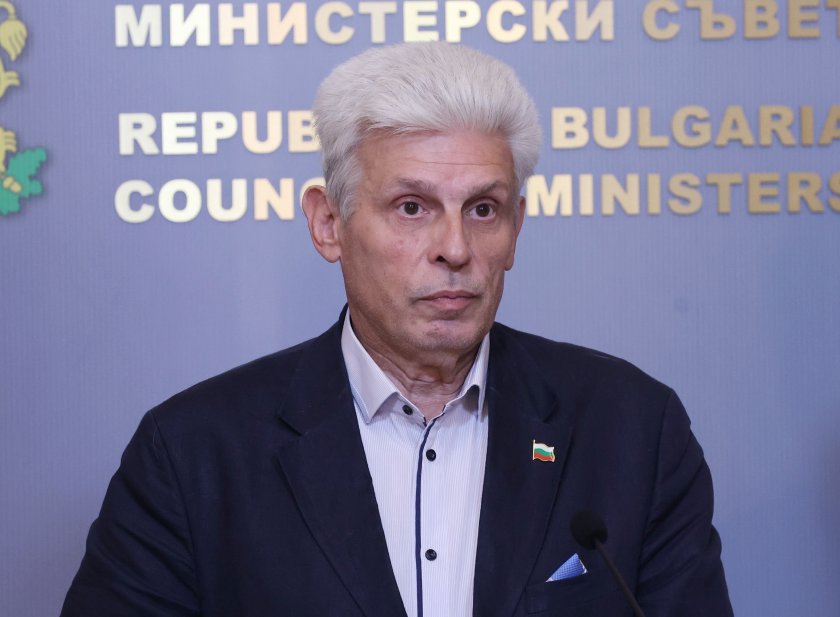
Atanas Katsarchеv, Podkrepa Trade Union: “Three parameters are important to us when it comes to people becoming poorer – the poverty line, the minimum wage and the minimum pension. None of the three parameters looks good at the moment. They are more likely to deepen poverty in the country. Falling consumer spending among these groups, leading to hardship, is likely to reduce the impact on GDP, because with less money there is no way we can buy more goods and services. The government must find a solution to stop poverty.”
Photos: BTA
Government and employers' representatives declined to speak to journalists. Trade unions said they would hold talks with the government, together with business representatives, on compensation for the impact of high fuel prices.



 Български лекари ще прегледат Ива Михайлова, македонският външен министър: Разглеждаме това като жест на добра воля
 Специално за БНТ: Говори екипажът на хеликоптер от авиобаза „Крумово“ за мисията по издирване и спасяване в Черно море
 Илияна Йотова за КСНС: За първи път в български документ има три конкретни неща за войната в Украйна и последствията от нея








 Чуй новините
 Подкаст